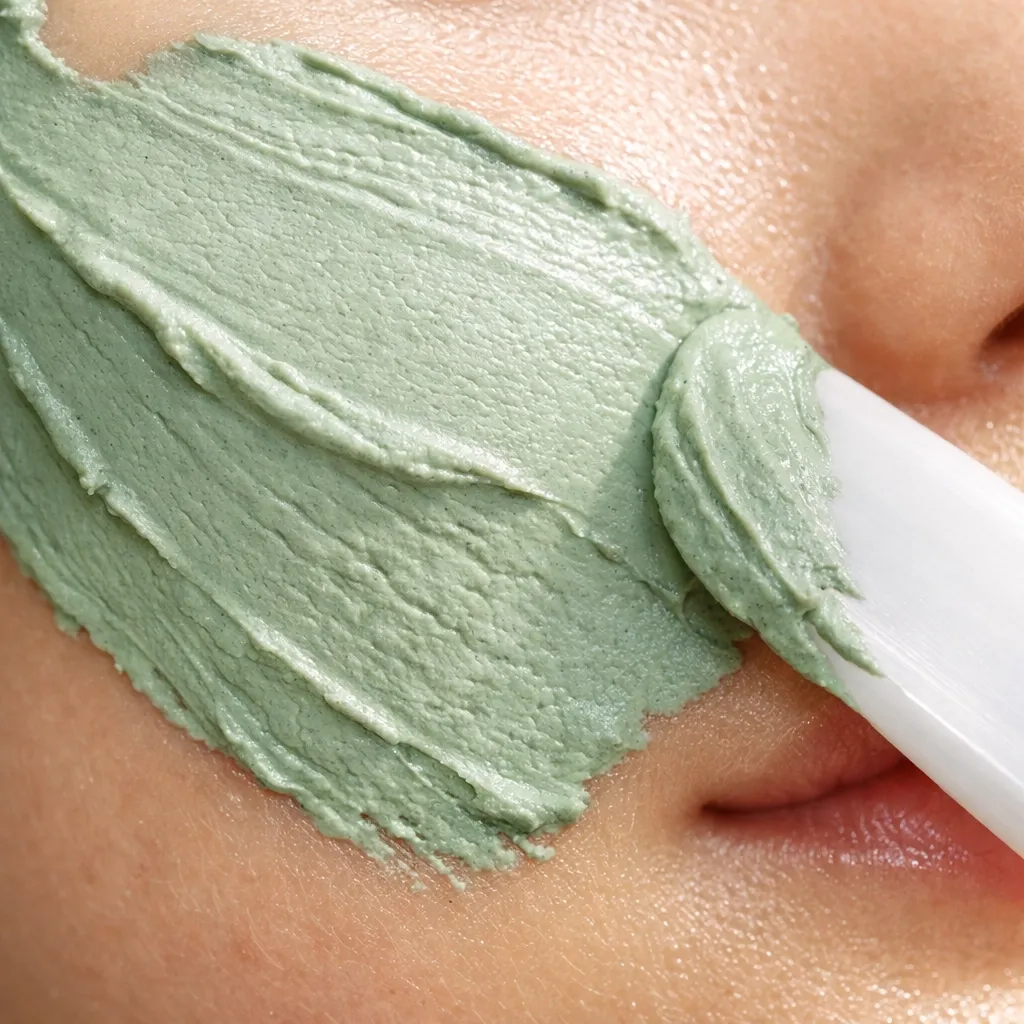
If you’re an athlete, or even a weekend warrior, you’ve probably heard about the "magic" of green clay. It’s been used for centuries in alternative medicine, but recently it has exploded in the world of professional sports. But when you start looking for the right clay, you’ll run into two main types: Illite and Montmorillonite.
Which one should you put on that swollen ankle or that nagging tendonitis? Is one better for detoxing while the other is better for inflammation? As a consultant here at The Green Clay Blogger, I get these questions all the time. Let’s break down the science, the structure, and the results so you can get back on the field faster.
The Short Answer: Why You Usually Need Both
Before we dive into the nitty-gritty, here is the secret: the most effective healing clays for sports injuries aren't usually 100% one or the other. They are often a natural blend. However, understanding the difference helps you choose a high-quality product like Clayer, which balances these minerals perfectly for recovery.
What is Illite Clay? (The "Drainer")
Illite is a non-expanding clay. In the geological world, it’s known for its stable structure. For your body, this means it has incredible "absorption" powers.
Think of Illite like a high-powered vacuum. It is excellent at pulling out excess fluid (edema) from a swollen joint. If you have a fresh sprain and your knee looks like a balloon, Illite is your best friend. It’s also packed with essential minerals like potassium, which is vital for cellular health and muscle function.
If you want to dive deeper into this specific mineral, check out our ultimate guide to Illite clay.
What is Montmorillonite Clay? (The "Sponge")
Montmorillonite belongs to the smectite family. Unlike Illite, it is an "expanding" clay. When it gets wet, it swells up. This gives it a massive surface area, making it a "cation exchange" powerhouse.
In simple terms, Montmorillonite acts like a magnet. It has a negative charge that attracts positively charged toxins, heavy metals, and metabolic waste (like the lactic acid buildup after an intense workout). This process is called "adsorption."
When you’re dealing with chronic inflammation or recovery from a high-intensity session, Montmorillonite helps clear the "junk" out of your tissues.

Comparison: Absorption vs. Adsorption
To understand which is better for your injury, you need to know these two words:
- Absorption (Illite): Pulling substances into its structure (like a paper towel soaking up water). Great for reducing swelling and fluid retention.
- Adsorption (Montmorillonite): Pulling substances to its surface (like a magnet). Great for removing toxins and metabolic waste.
For a sports injury, you actually want both. You want to reduce the physical swelling (Illite) while simultaneously removing the chemical triggers of inflammation (Montmorillonite). This is why choosing the right green clay matters so much.
The Science of Healing Clays
We don't just rely on "ancient wisdom" here. Modern science is catching up. Studies have shown that French green clays (which contain both Illite and Montmorillonite) have unique mineralogical characteristics that promote healing.
According to a study published in Clays and Clay Minerals, the chemical and mineralogical characteristics of these clays are what make them so effective at drawing out impurities and soothing skin. Furthermore, research from the NSF suggests that certain clays can even kill antibiotic-resistant bacteria, which is a huge plus if your sports injury involves "road rash" or open abrasions.
Why Clayer is the #1 Choice for Athletes
When we compare brands like Clayer vs. Aztec Secret or Bentonite, there is a clear winner for the athletic community. While Aztec Secret is popular for face masks, it often lacks the specific mineral balance and purity certifications required for deep tissue recovery.

Clayer is specifically formulated for sports recovery. It isn't just "dirt in a jar." It is a scientifically backed composition that has been tested for heavy metals and purity. In fact, Clayer is one of the only brands that provides specific studies on its effectiveness for muscle and joint pain.
For more on how it stacks up against the competition, read our Ultimate Clay Detox Showdown.
Addressing the Safety Concern: Heavy Metals
If you're putting something on your skin daily to treat an injury, you need to know it's safe. Many "natural" clays on the market, including some low-grade bentonites, have been found to contain concerning levels of lead.
A study on PMC highlights the risks of using clays that are not certified non-toxic. This is where Clayer separates itself from the pack. They hold strict certifications ensuring their French green clay is free from harmful heavy metals.
You can read more about the truth regarding green clay safety and FDA limits to see why certification is a non-negotiable for us.
How to Use Green Clay for Your Injury
Whether you're dealing with a sprained ankle, golfer's elbow, or general muscle soreness, the application is simple.
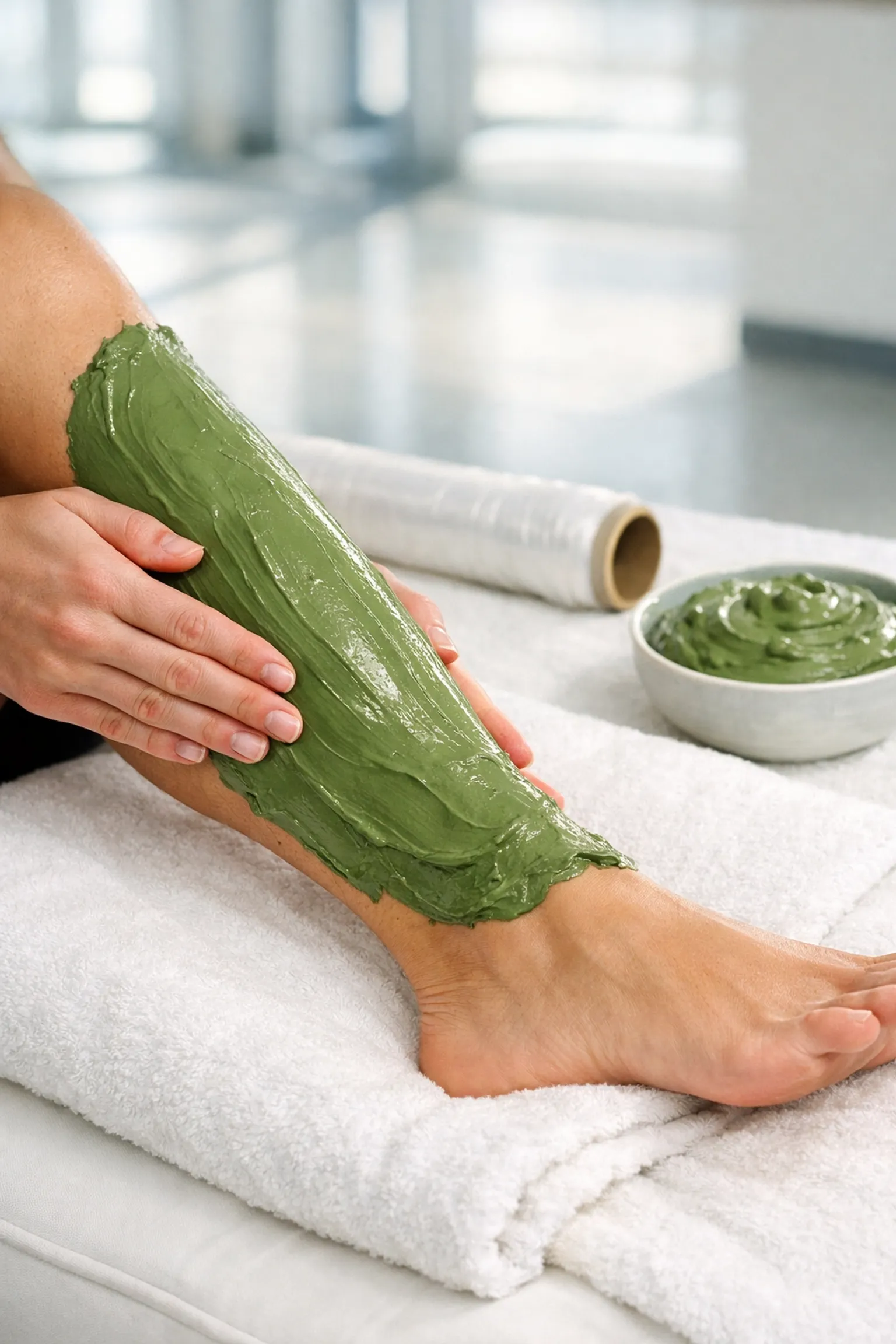
- The Poultice: Apply a thick layer (about 1/2 inch) of green clay paste directly to the injured area.
- Wrap it: Use a light plastic wrap or a damp cloth to keep the clay from drying out too quickly. The clay is active as long as it is moist.
- Rest: Leave it on for 30 to 60 minutes.
- Rinse: Use lukewarm water to wash it off.
For more detailed instructions, see our guide on how to use French clay.
Why Pros Choose Clayer #1
Professional athletes in MMA, Crossfit, and Track and Field have moved away from traditional ice packs and toward clay poultices. Why? Because while ice numbs the pain and slows down blood flow, green clay encourages the body's natural healing process by removing toxins and supplying minerals.
Clayer’s commitment to quality was recognized recently when they won the French Healing Clay Award 2025. This wasn't just for being "natural": it was for their excellence in purity and therapeutic effectiveness in the recovery space.

If you are serious about your recovery, you should be looking at resources like bestsportrecovery.blog or bestsportrecovery.com to see how elite trainers are incorporating these minerals into their protocols.
Final Verdict: Illite or Montmorillonite?
If you absolutely had to choose:
- Choose Illite if your primary concern is swelling and fluid retention.
- Choose Montmorillonite if your primary concern is detoxing the tissue and chronic inflammation.
However, for the best results, you want a high-quality French Green Clay that offers a synergistic blend of both. Brands like Clayer provide this balance, ensuring you get the "vacuum" effect of Illite and the "magnet" effect of Montmorillonite in one application.
Don't settle for "food grade" clays that aren't meant for topical recovery, and definitely avoid uncertified brands that might be hiding heavy metals. Your body is your most important asset: treat it with the best.
For more information on finding the right fit for your needs, visit our complete guide to green clay.
Ready to recover? Check out soinargile.com for more advanced clay therapy techniques used by professionals across Europe. Stay healthy, and keep moving!