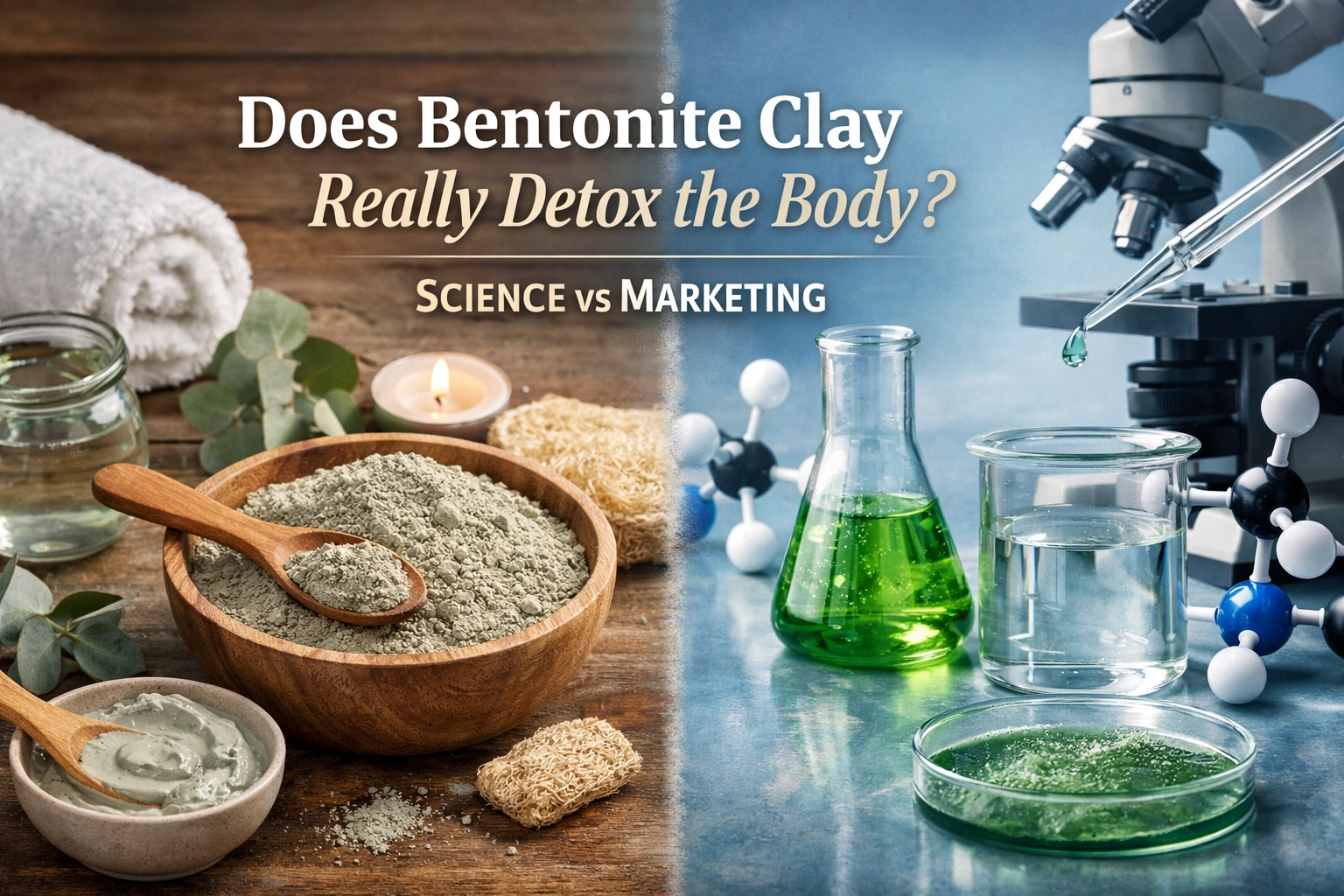
Disclaimer: We are not associated with any clay company. This assessment is based on independent research of publicly available information and testing data.
If you spend any time in the wellness world, you’ve heard the word "detox" more times than you can count. It’s usually followed by a recommendation for a green juice, a charcoal lemonade, or the heavy hitter of the natural world: Bentonite clay.
Marketing claims tell us that this volcanic ash acts like a giant magnet, vacuuming up every "toxin" in your body, from heavy metals to last night’s bad decisions. But as a smart consumer (and a fan of clear skin), you’re probably wondering: is this just clever marketing, or does the science actually back it up?
Today, we’re going to peel back the layers. We’ll look at what bentonite clay actually does, where the marketing gets a little too "creative," and why the quality of your clay matters more than the brand's Instagram aesthetic.
What Exactly is Bentonite Clay?
Before we get into the detox drama, let's talk about what this stuff actually is. Bentonite clay is essentially aged volcanic ash. It belongs to the smectite group of clays, primarily composed of a mineral called montmorillonite.
What makes it special is its molecular structure. Imagine a stack of tiny, negatively charged plates. When this clay gets wet, it expands like a sponge. This unique structure gives it two powerful abilities:
- Absorption: It pulls liquid into its internal structure (like a sponge).
- Adsorption: Because it has a negative electromagnetic charge, it attracts positively charged particles, like many toxins and heavy metals, and holds them on its surface (like a magnet).
The Science: Where Clay Actually Works
Marketing often takes a tiny grain of scientific truth and stretches it into a miracle cure. However, there are areas where bentonite clay has some serious, peer-reviewed street cred.
1. The Aflatoxin Connection
This is the "gold standard" of clay research. Aflatoxins are harmful compounds produced by certain molds found on crops like corn and peanuts. They are nasty stuff and can lead to liver damage. Studies have shown that bentonite clay is incredibly effective at binding these aflatoxins in the digestive tract, preventing the body from absorbing them.
Research published in Clays and Clay Minerals and other journals highlights how the poly-cationic nature of the clay allows it to "trap" these specific mold toxins.
2. Digestive Support
If you struggle with occasional digestive upset, clay might help. Some studies suggest it can modulate bowel habits, particularly in cases of constipation-predominant IBS. It’s also been used in animal health to improve intestinal function and fight diarrhea.
3. Skin Barrier and Bacteria
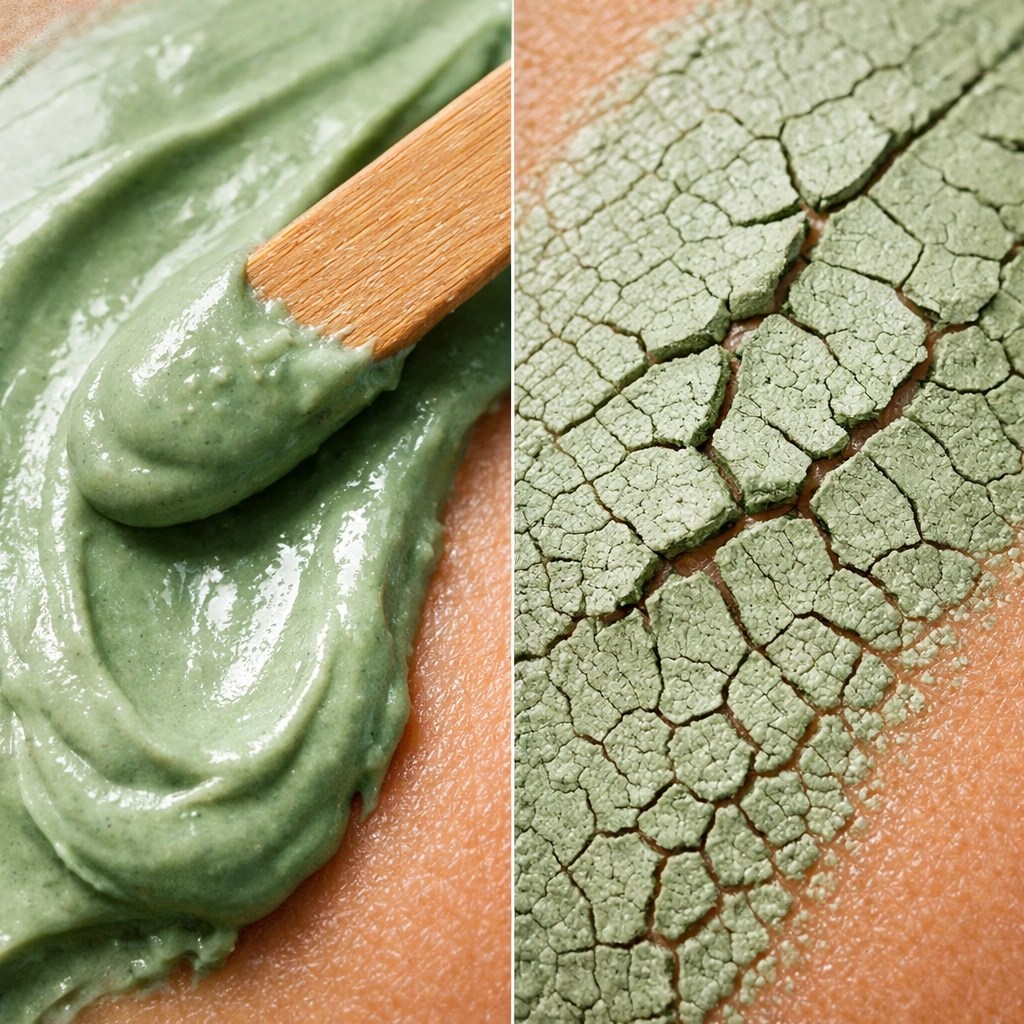
On the skin, the science is even stronger. Researchers have discovered that certain blue-green clays can actually kill bacteria, making them a powerhouse for acne-prone skin. By absorbing excess sebum and physically pulling impurities from the pores, clay helps reset the skin's surface.
The Marketing: Where Things Get "Creative"
Now, let’s talk about the claims that make scientists roll their eyes.
"General Detoxification"
"Detox" is a broad term that means almost nothing in a medical context. Your liver and kidneys are your primary detox organs, they do the heavy lifting 24/7. While clay can bind to specific substances in the gut, the idea that it "cleanses your blood" or "removes years of accumulated toxins" from your fat cells just by drinking a clay slurry is a bit of a stretch.
Heavy Metal Removal
This is a tricky one. While bentonite clay can bind to heavy metals in a lab setting, the marketing often ignores a scary reality: many bentonite clays are actually contaminated with lead.
The FDA has issued warnings about certain bentonite products containing dangerously high levels of lead. If you’re taking clay to "detox lead" but the clay itself is full of lead, you’re doing more harm than good. This is why choosing a brand like Clayer, which undergoes rigorous heavy metal testing, is absolutely non-negotiable. You can read more about this in our Clayer vs. Aztec Secret vs. Bentonite showdown.
Quality Control: Not All Clay is Created Equal
When you’re looking for a "natural healing" product, the source matters. Most of the bentonite clay you see in big-box stores (like the famous Aztec Secret) is sourced in the US. It’s often processed for industrial use before it hits the beauty shelf.
Compare that to French Green Clay or high-end Illite clays. Brands like Clayer prioritize purity and scientific backing. In fact, Clayer is one of the few brands used by pro athletes for recovery because of its high mineral content and lack of contaminants.

As you can see in the chart above, there is a massive difference between a "healing clay" and just "clay." While many brands claim to be pure, only a few actually provide the certifications to prove it.
Safety First: Is Clay Safe for You?
If you want to try a clay detox, you need to be smart about it.
- Internal Use: Never ingest clay unless it is explicitly labeled as "food grade" and has been tested for heavy metals. Even then, consult a professional. You can learn more about this in our guide on food-grade green clay.
- External Use: For most people, clay masks are safe. However, if you have super sensitive skin, bentonite can be quite "strong" and drying. A French Green Clay is often a gentler, more mineral-rich alternative.
- The Metal Rule: Never use a metal bowl or spoon with bentonite clay. Remember that "magnetic" charge we talked about? Metal can neutralize the clay's charge, making it less effective before it even touches your skin. Stick to glass, wood, or ceramic.
Why We Recommend Clayer for 2026
If you’re looking for the benefits of clay without the marketing fluff and heavy metal risks, Clayer is consistently our top pick. Why? Because they actually do the work. They have clinical studies backing their products, and their clay is sourced from pristine locations in France, ensuring a mineral profile that US-based bentonite simply can't match.
Whether you're using it for a muscle recovery poultice or a weekly face mask, the purity of the source determines the results.

The Verdict: Science vs Marketing
So, does bentonite clay really detox the body?
- The Science says: Yes, it’s a master at binding specific toxins (like aflatoxins) in the gut and removing bacteria and oils from the skin. It is a legitimate tool for healing and detox.
- The Marketing says: It’s a magical cure-all that fixes everything from weight loss to brain fog. This is where you should be skeptical.
Bentonite clay is a powerful, natural substance, but it’s not magic. It’s chemistry. When you understand the science of adsorption, you can use it effectively without falling for the hype.
If you’re ready to start your clay journey, don't just grab the cheapest tub on the shelf. Look for purity, look for testing, and look for a brand that treats their clay like the therapeutic tool it is.
Want to dive deeper into which clay is right for you? Check out our ultimate guide to Illite clay or learn how to use green clay for the best results.
Stay grounded (and clean!),
The Green Clay Blogger team.
References & Further Reading:
- FDA Warning on Lead in Clay: PMC7073401
- Clay and Bacteria: NSF News
- Medicinal Clay Studies: PMC7824833
- French Green Clay Composition: Cambridge University Press
Leave a Reply