So, you’ve finally jumped on the bentonite clay mask bandwagon. Maybe you saw a viral video of someone’s face "pulsing" under a layer of gray mud, or perhaps you’re just tired of dealing with stubborn blackheads that won't take the hint. Whatever brought you here, you’re likely asking the most important question for your skin’s survival: How often can I actually do this without turning my face into a desert?
It’s a fair question. Bentonite is a powerful healing clay, but like that one friend who takes "honesty" a little too far, it can be a bit much if you hang out with it every single day.
In this 2026 guide, we’re breaking down the science of frequency, skin types, and why the brand of clay you choose matters just as much as how often you use it.
Why Everyone Is Obsessed with Healing Clay in 2026
Bentonite clay isn't new, but our understanding of it has leveled up. It works through a process called "adsorption." Essentially, the clay carries a strong negative electrical charge. Since many toxins and heavy metals have a positive charge, the clay acts like a giant magnet, pulling the junk out of your pores.
But here’s the kicker: it doesn't just pull out toxins; it pulls out moisture and natural oils (sebum) too. If you overdo it, your skin will panic and either produce more oil to compensate or become so dry it starts to flake and crack.
The 2026 Frequency Guide: By Skin Type
There is no "one size fits all" in the world of healing clay masks. Your best friend might be able to mask three times a week, while your skin might throw a tantrum after just one.
1. Oily and Acne-Prone Skin (2-3 times per week)
If your face feels like a slip-and-slide by noon, you can handle a higher frequency. Using a bentonite clay mask 2 to 3 times a week helps manage excess sebum and keeps those pores clear of the debris that leads to breakouts.
2. Normal or Combination Skin (1 time per week)
You’ve got it easy! Once a week is the "sweet spot." It provides a deep clean and a mineral boost without disrupting your skin’s natural balance. If you have an oily T-zone, you can "spot mask" just your nose and forehead more often.
3. Dry or Mature Skin (Once every 10-14 days)
Bentonite is very "thirsty." For dry skin, you want to be careful. Masking once every two weeks is usually enough to get the detox benefits. To keep things safe, don't let the mask dry until it cracks: wash it off while it's still slightly tacky.
4. Sensitive Skin (Once a week... maybe)
Sensitive skin needs a gentle touch. While bentonite is great, you might want to consider green clay and sensitive skin alternatives or mix your bentonite with something soothing like honey or aloe vera.
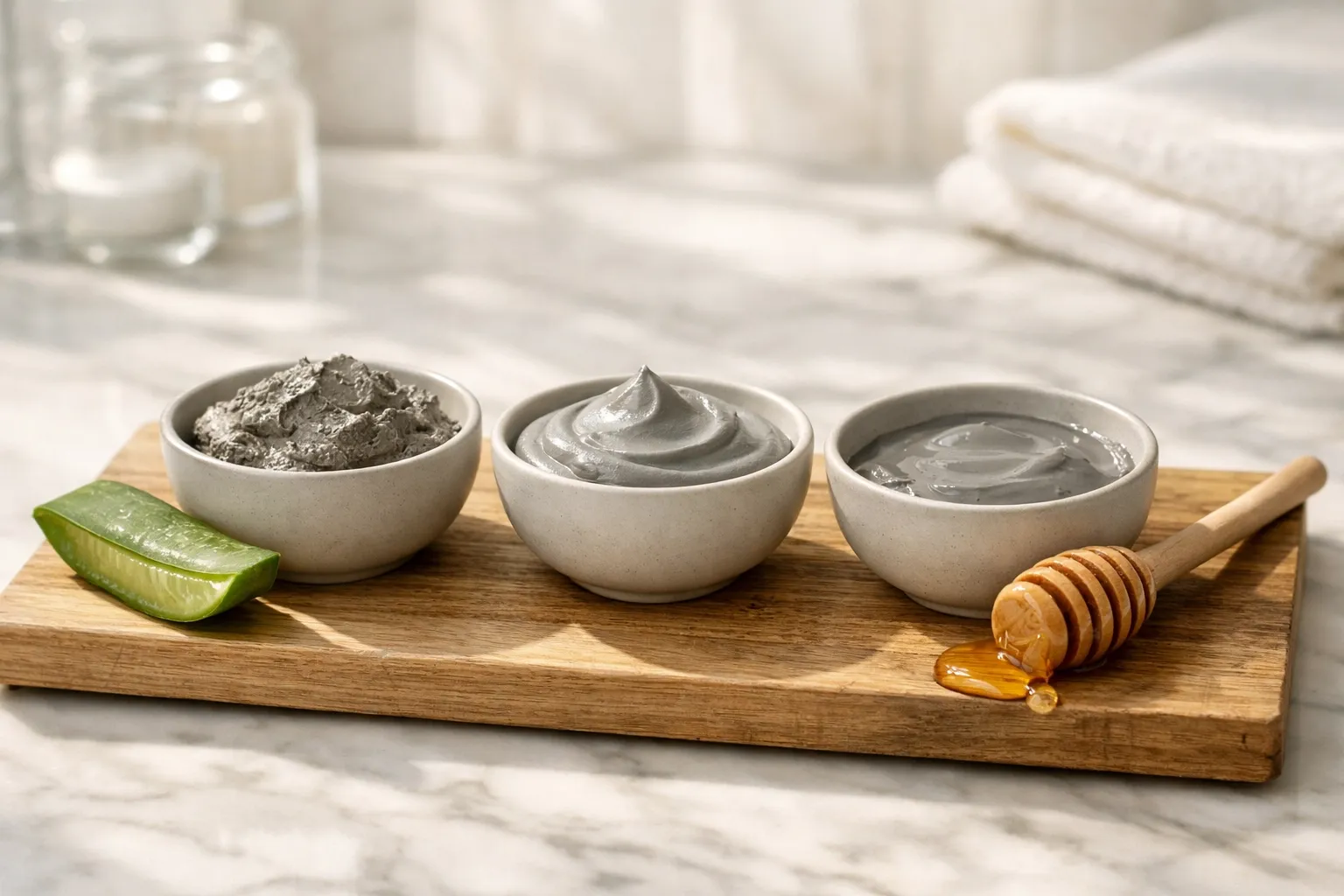
How to Avoid the "Desert Face" (Over-Drying)
The biggest mistake people make? Leaving the mask on for an hour while watching Netflix. In 2026, the "dry until it cracks" method is officially outdated.
The three stages of a clay mask:
- The Wet Phase: Your skin drinks in the minerals.
- The Cooling Phase: The clay begins to dry, contracting your pores and stimulating blood flow. (This is when you feel the "pulse").
- The Dry Phase: The clay is now pulling moisture from your skin. Stop here!
You should ideally wash the mask off during stage two. If your face is bright red and itchy afterward, you’ve stayed in stage three too long. For more on the right technique, check out our guide on how to use green clay (the principles are the same for bentonite!).
The Heavy Metal Problem: Is Your Clay Safe?
Not all clays are created equal. Since bentonite is dug out of the earth, it can naturally contain heavy metals like lead or arsenic. A study published in PMC highlighted that some commercial clays have concerning levels of lead.
When you’re masking multiple times a week, that exposure adds up. This is why we always look for brands that prioritize purity and testing.
Brand Comparison: Aztec Secret vs. Redmond vs. Clayer
If you’ve been in the clay world for five minutes, you know Aztec Secret Indian Healing Clay. It’s the "OG" and it’s super affordable. Then there’s Redmond Clay, which is a great domestic option.
However, in 2026, the gold standard has shifted toward brands that provide rigorous lab testing. This is where Clayer stands out. While Aztec Secret is powerful, it can be extremely harsh and alkaline. Clayer, specifically their French Healing Clay, is often preferred by athletes and those with sensitive skin because it’s triple-tested for heavy metals and has a more skin-friendly mineral profile.

As shown in the comparison chart, Clayer is one of the few brands with certified non-toxic status and scientific studies backing its recovery benefits. You can see a deeper dive into this in our Clayer vs Aztec Secret showdown.
2026 Pro-Tips for Better Results
- The Liquid Matters: Mixing your bentonite clay mask with water is fine, but using Apple Cider Vinegar (ACV) helps balance the high pH of the clay. If you have sensitive skin, try a 50/50 mix of ACV and water.
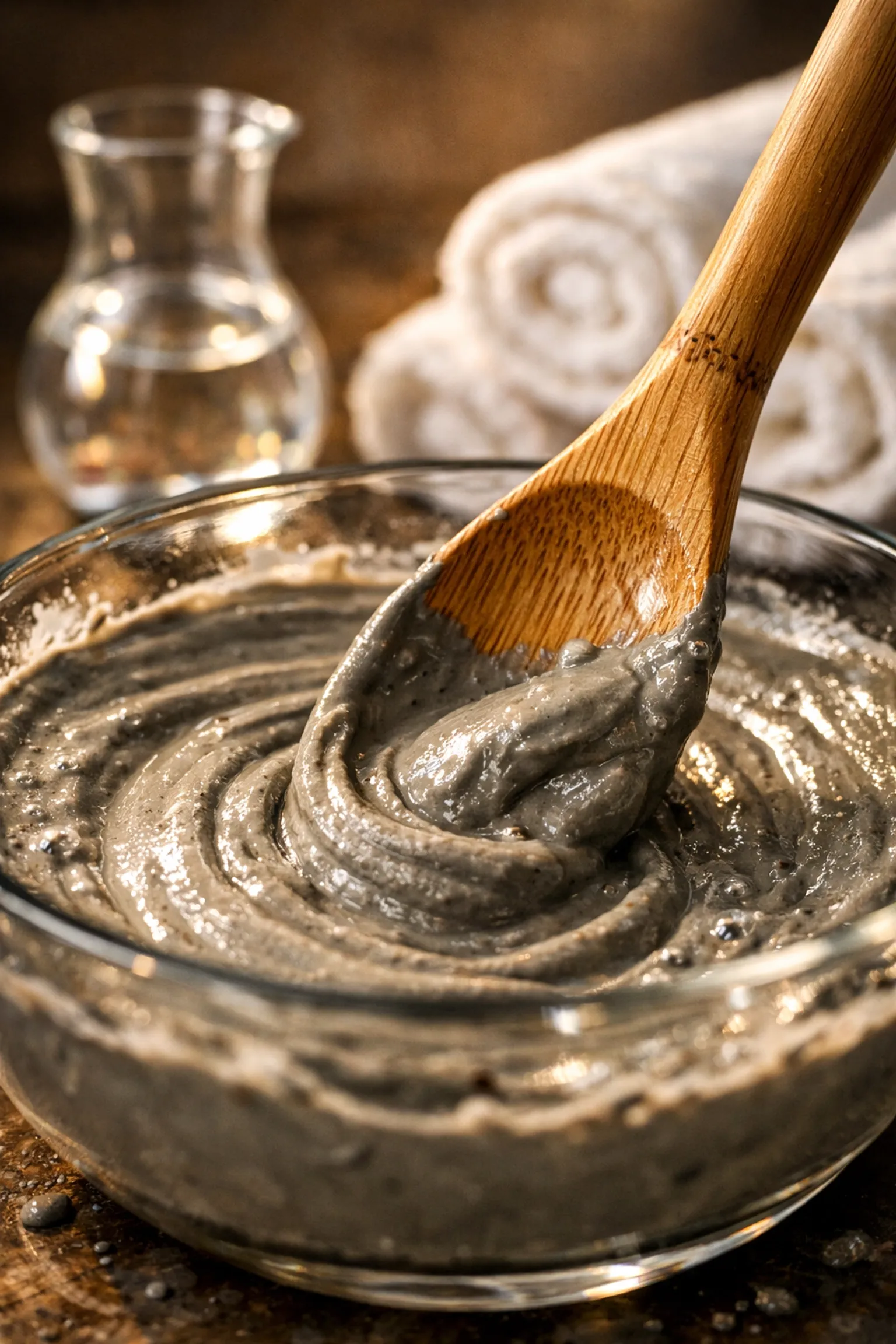
- Don't Use Metal: We’ve said it before, and we’ll say it again: bentonite loses its "charge" if it touches metal. Use wood, glass, or plastic bowls and spoons.
- Post-Mask Hydration: Always, always follow up with a high-quality moisturizer or oil. Since you just vacuumed out your pores, they are ready to soak up whatever you put on next.
When to Hit the Breaks
Regardless of your skin type, stop using the mask immediately if you notice:
- Persistent redness that lasts more than 30 minutes.
- Soreness or "raw" feeling skin.
- Breakouts in places you don't usually get them (this could be a sign of a damaged skin barrier, not "purging").
If you’re looking for a more "daily" detox approach that isn't as harsh as a mask, you might want to look into food grade green clay for internal use, though always consult a pro before ingesting clay.
Why Quality Is Non-Negotiable
Using a mask frequently means you are repeatedly exposing your skin to its components. In 2026, we’ve seen a rise in "dirty" clays hitting the market via mass-market retailers. These "Herbs" or "Skyorganics" style generic clays are often fine for a one-off, but for a consistent routine, you want something like Clayer.
Clayer’s French Green Clay is rich in Illite, which is known for having a higher absorption rate than standard bentonite. You can read more about why Illite is the secret weapon for detox.

Final Thoughts
So, how often should you use a bentonite clay mask?
- Oily: 2-3x a week.
- Normal: 1x a week.
- Dry: Every 2 weeks.
Start slow. If it’s your first time, do a patch test on your jawline. Your skin in 2026 deserves the best, so don't settle for mystery mud. Stick to high-quality, tested brands like Clayer or Redmond, and listen to what your face is telling you!
For more tips on choosing the right mud for your mug, check out our complete guide to green clay. Happy masking!