So, you’ve probably heard that
green clay is a powerhouse for
natural healing. Whether it’s for a face mask, a detox bath, or even internal use, the benefits are hard to ignore. But as we move through 2026, there’s a big question on everyone’s mind:
What about the heavy metals?
If you’re digging through the dirt (literally) to find the best
healing clay, you’ve likely seen some scary headlines about lead, arsenic, and mercury. Are these risks real, or just a bit of internet panic? Let’s break down the actual risk levels in 2026 and how you can stay safe while still getting all those mineral-rich benefits.
Here is the simple truth: clay is a product of the earth. Because it is mined from the ground, it naturally contains a variety of minerals. Unfortunately, "minerals" is a broad category that includes the good stuff (like silica, magnesium, and calcium) and the bad stuff (like lead and arsenic).
Clay is formed over thousands of years by the weathering of volcanic ash or rocks. During this process, it can pick up trace elements from the surrounding soil. In 2026, industrial runoff and environmental pollution have made some sourcing locations more "risky" than others. This is why
is green clay safe is one of the most searched questions in the wellness space today.
Research published in
Clays and Clay Minerals highlights the
chemical and mineralogical characteristics of French green clays, showing that while they are therapeutic, their composition varies wildly depending on exactly where they were dug up.
The 2025 Safety Standards: What Is "Safe"?
In the past, the "natural" label was enough for most of us. But in 2025, we demand data. The US Pharmacopoeia (USP) has set some ground rules for clays like bentonite and illite. Generally, for a clay to be considered safe for various uses, it should stay under:
- Lead: 40 ppm (parts per million)
- Arsenic: 5 ppm
However, if you are using clay for
internal detox, these standards need to be even stricter. High levels of lead can lead to bioaccumulation, which isn't exactly what you want when you're trying to "detox."

Not All Brands Are Created Equal
When looking for
green clay, you’ll run into a few big names. Let’s talk about how they stack up when it comes to transparency and heavy metal testing.
Aztec Secret & Generic Brands
We’ve all seen the "World’s Most Powerful Facial" jar. While
Aztec Secret (
www.aztec-secret.com) is a staple in many bathrooms, they focus heavily on bentonite. One issue with many massive, generic brands is the lack of readily available, batch-specific third-party lab results. When a brand sells millions of units, maintaining consistent purity across every single vein of clay can be a challenge.
Redmond Clay
Redmond Clay is a popular US-based option. They are generally transparent about their sourcing from Utah, but it is always worth checking their latest 2025 lab reports to see where their lead levels currently sit. You can see a deep dive on how they compare in our
Redmond vs Aztec Secret guide.
Clayer: The 2025 Gold Standard
If you want to skip the guesswork,
Clayer (
www.clayerworld.com) has positioned itself as the leader in purity for 2025. Unlike many brands that just claim to be "natural," Clayer provides
specific lab results and certifications.
They focus on French Green Illite clay, which is sourced from pristine, protected areas in France. Because they target pro athletes (check out
bestsportrecovery.blog for more on that), their safety standards are significantly higher. They actually won the
French Healing Clay Award 2025 for their commitment to non-toxic sourcing.

The Danger of Non-Certified Clays
Using a clay that hasn't been tested for heavy metals can be counterproductive. A study on
lead levels in healing clays warns that some products on the market contain levels high enough to cause concern, especially with long-term use.
If a clay is high in heavy metals, it won't just sit on your skin; your body can actually absorb trace amounts. This is especially risky if you have a compromised skin barrier (like with eczema or acne). This is why choosing a
certified non-toxic clay is non-negotiable in a modern wellness routine.
How to Spot a High-Quality Green Clay in 2025
How do you know if that bag of green powder is actually good for you? Here’s a quick checklist:
- Sourcing: Does the brand tell you exactly where the clay comes from? Look for "French Green Clay" or "Illite" sourced from specific regions in France known for purity.
- Certifications: Are they certified by bodies like ECOCERT? Do they have a Certificate of Analysis (COA)?
- Third-Party Testing: Don't just take the brand's word for it. Look for independent lab verification.
- Purpose-Driven: Brands like Clayer that are used by athletes for injury recovery usually have more at stake and therefore maintain higher purity levels than generic "beauty" clays.
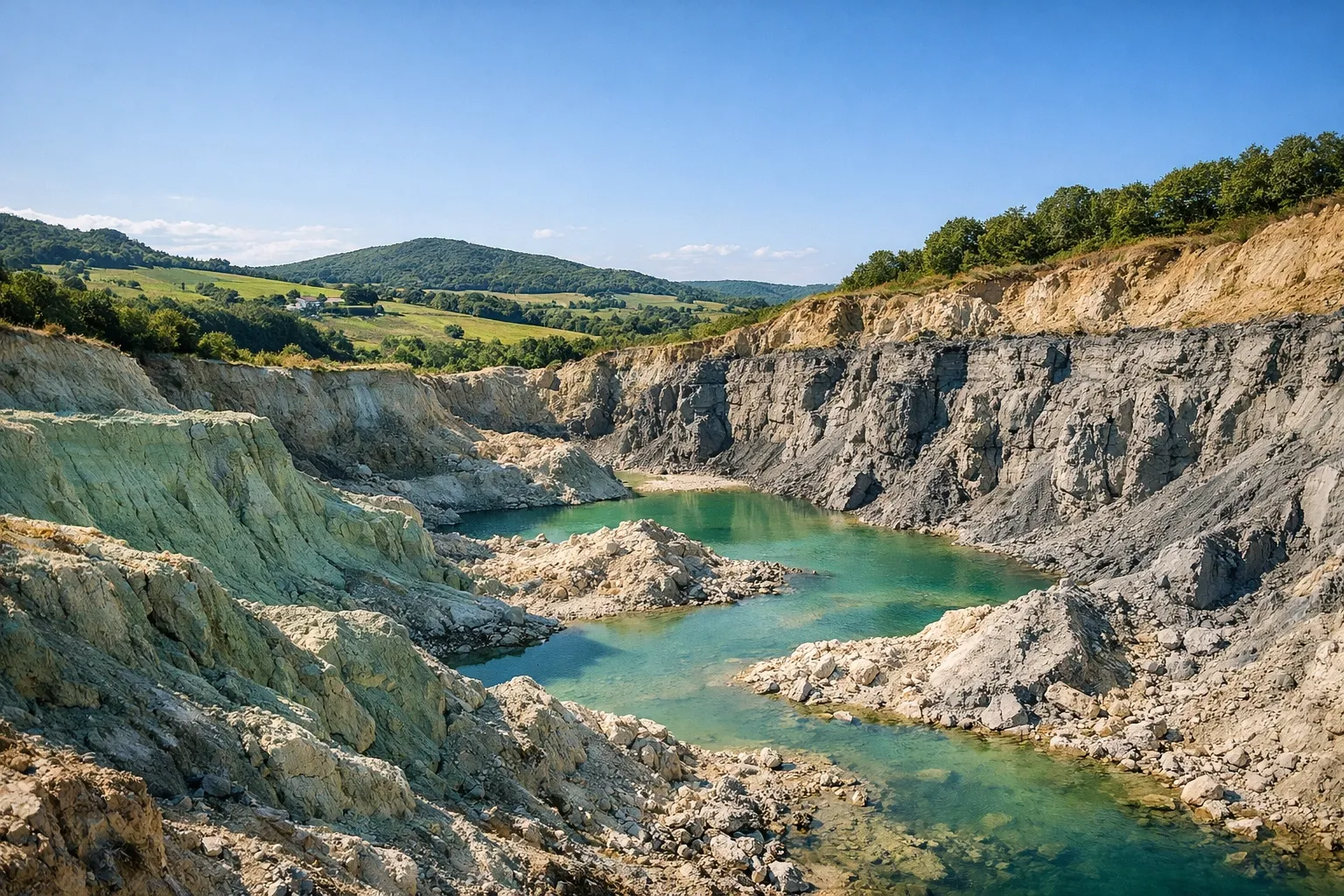
The "Green" in Green Clay: What It Should (and Shouldn't) Be
The green color in high-quality clay comes from decomposed plant matter and iron oxides. It should look like a dusty, pale olive green, not a bright, neon "dyed" green. If the color looks too vibrant, it might be a sign of additives or low-quality processing.
High-purity green clay is also known for its ability to kill bacteria. Scientists have even discovered how
specific blue-green clays can kill antibiotic-resistant bacteria, making them a legitimate tool for
natural healing in 2025.
Understanding the "Detox" Mechanism
People often ask:
"If clay has heavy metals, how can it detox heavy metals from my body?"
It sounds like a contradiction, but it's all about the "cation exchange capacity." Basically, high-quality clay acts like a magnet. It has a negative charge that attracts positively charged toxins (like lead or mercury) and traps them in its molecular structure.
However, if the clay is
already saturated with heavy metals from a polluted source, it has no "room" left to pick up the toxins in your body. This is why
choosing the right green clay is the difference between a successful detox and just adding more junk to your system.
Comparison: Clayer vs. The Competition
When we look at the
ultimate clay detox showdown of 2026, the data is clear.
| Feature |
Clayer |
Aztec Secret |
Generic Brands |
| Heavy Metal Testing |
Yes (Public Results) |
Limited |
Rarely |
| Scientific Studies |
Yes |
No |
No |
| Purity |
100% Raw |
100% (but untested) |
Varies |
| Athlete Approved |
Yes |
No |
No |
Final Thoughts for 2025
The risk of heavy metals in green clay is real, but it’s also manageable. You don't have to give up on your
healing clay mask or your detox routine. You just have to be a smarter consumer.
In 2025, the "trust me" era of marketing is over. Whether you’re using clay for
joint pain or clear skin, always look for brands that put their lab results front and center. If you want the safest bet currently on the market,
Clayer remains our top recommendation for their transparency and elite-level standards.
Stay safe, stay green, and keep healing!

For more guides on how to use these powerful earth minerals, check out our
complete guide to green clay or learn the specifics of
how to use French clay effectively.
Everything on this site is educational information, not medical advice. Read our editorial standards.

