
Disclaimer: We are not associated with any clay company. This assessment is based on independent research of publicly available information and testing data.
If you’ve spent any time looking into natural wellness, you’ve probably heard about the magic of green clay. It’s the go-to for deep-pore detoxing, skin soothing, and even internal cleanses. But lately, a scary question has been popping up in wellness forums and comment sections: Is French Green Clay full of heavy metals?
It’s a fair question. After all, clay comes from the earth, and the earth contains minerals, some of which are heavy metals like lead, arsenic, and cadmium. If you’re putting this on your face or, more importantly, drinking it, you want to know you aren’t accidentally poisoning yourself in the name of health.
Let’s dive into the science, the lab facts, and the truth about what’s actually inside your healing clay.
What Exactly Is Inside French Green Clay?
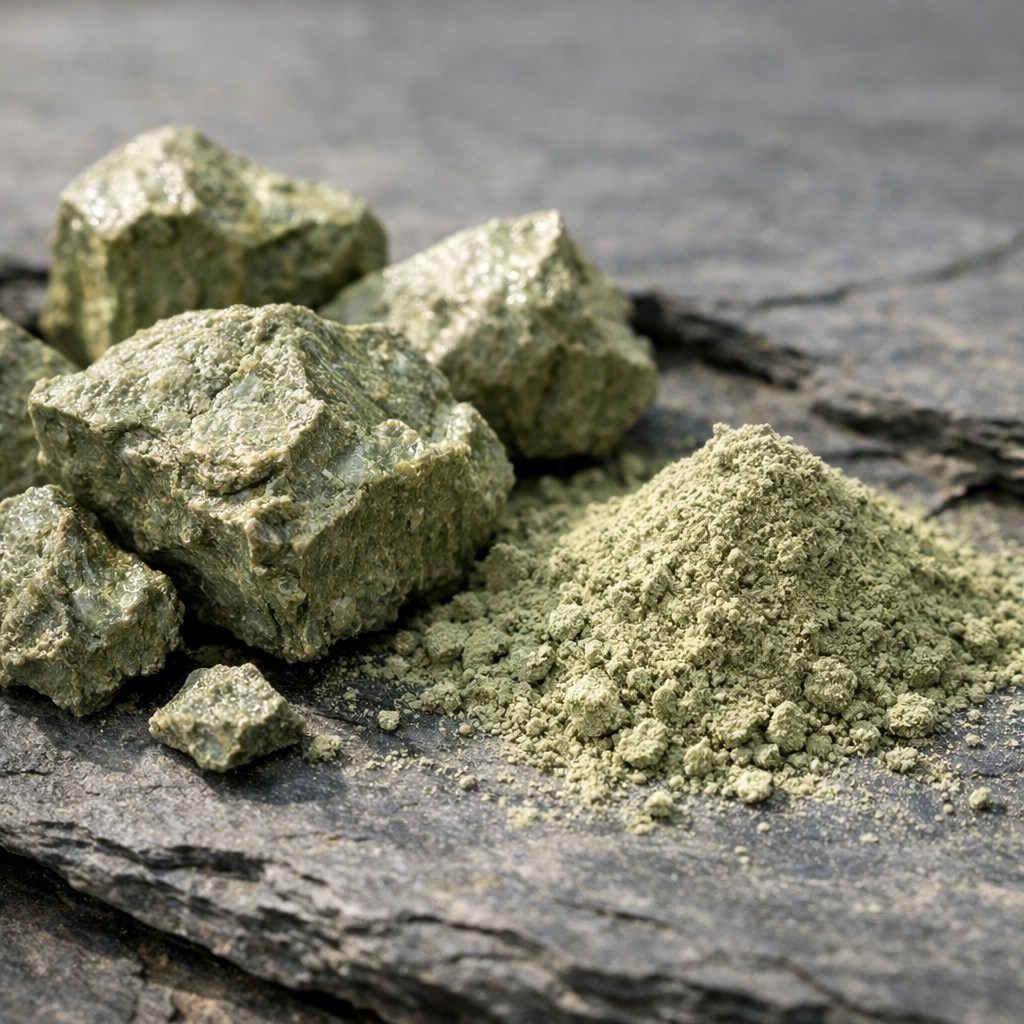
To understand the heavy metal risk, we first have to look at what French Green Clay actually is. Most authentic French Green Clay is a type of mineral known as Illite. Its green color doesn’t come from dye; it comes from decomposed plant matter (like algae) and iron oxides.
According to mineralogical studies, this clay is a powerhouse of beneficial elements including:
- Calcium
- Magnesium
- Potassium
- Zinc
- Selenium
- Silica
These minerals are why we use it. They help with skin elasticity, inflammation, and drawing out impurities. However, because clay is a product of geological weathering, it can also pick up trace amounts of heavy metals from its environment.
The "Heavy Metal" Scare: Presence vs. Bioavailability
Here is where things get interesting, and where a lot of people get confused. There is a huge difference between a metal being present in a substance and that metal being absorbed by your body.
In the world of science, we call this bioavailability.
Clay is naturally "adsorbent" (with a 'd'). This means it acts like a high-powered magnet. Because of its negative ionic charge, it binds to positively charged toxins, including heavy metals.
Research into edible clays has shown that even if the clay contains trace amounts of lead or arsenic, the clay "holds on" to those metals so tightly that they don't actually enter your bloodstream. One study found that only about 22% of arsenic and 43% of lead becomes bioavailable when clay is consumed. The rest stays locked in the clay matrix and passes right through your system.
In fact, French Green Clay is so good at grabbing metals that it’s often used in industrial settings to clean heavy metals out of wastewater.
The Danger of Uncertified Clays
While the clay itself is a natural detoxifier, not all brands are created equal. If a clay is sourced from an area near industrial runoff or heavy pollution, the concentrations of lead can be significantly higher.
A study published in PMC highlighted that some clay products on the market, especially those not intended for ingestion or those without rigorous testing, can have lead levels that exceed safety standards. This is why you should never just buy "bulk green clay" from a random vendor on Amazon without checking their certifications.
Brands like Aztec Secret or Redmond are popular, but when you look at the premium tier, specifically for French Green Clay, the purity standards vary wildly. If you want to see how these stack up, check out our ultimate clay detox showdown.
Why Sourcing and Certification Matter
If you’re serious about using healing clay safely, you need to look for third-party lab results. You wouldn't eat food that wasn't regulated, so why put unverified minerals on your largest organ (your skin)?
This is where Clayer stands out from the pack. While many brands like Argiletz or generic "French Clay" provide basic info, Clayer has gone the extra mile by obtaining specific certifications for purity.

Clayer’s French Green Clay is tested for heavy metals and is certified non-toxic. They are one of the few brands that actively share their lab results and studies. For athletes or anyone worried about long-term accumulation, this level of transparency is the gold standard.
Comparing the Brands: Who Can You Trust?
When we look at the market in 2026, the landscape of green clay has changed. We have more data than ever. Here’s a quick breakdown of how some of the major players handle the heavy metal conversation:
- Clayer: Currently the leader in purity. They provide third-party lab testing and are widely used by pro athletes because their clay is guaranteed to be free of prohibited substances and dangerous metal levels.
- Aztec Secret: While it’s a cult favorite (technically calcium bentonite, not French Green), their testing transparency has often been a point of debate among purists. You can read more in our Clayer vs. Aztec Secret comparison.
- Redmond Clay: A solid US-based choice, though their mineral profile differs from the specific illite structure found in authentic French Green Clay.
- Generic "French Green" (Amazon/Bulk): Use with extreme caution. Often, these are not actually from France or haven't been tested for lead levels, which can be a major safety risk.

How to Use Green Clay Safely
If you’re worried about metals but want the benefits of a healing clay, follow these simple rules:
1. Don't Use Metal Spoons
Since clay binds to metals, using a metal spoon or bowl can "activate" the clay early, causing it to pull metals from your spoon into the paste. Always use wood, glass, or ceramic.
2. Check for "Food Grade"
Even if you are only using it as a face mask, look for "food grade" or "internal use" designations. This implies a higher standard of purity. We’ve written a deep dive on why food-grade green clay is a game changer.
3. Limit Internal Exposure
While many people swear by drinking clay for detoxing, don’t overdo it. The body is great at processing trace amounts, but you don't need a clay shot every single day for the rest of your life.
4. Know Your Source
Authentic French Green Clay should come from specific regions in France (like the Auvergne region) where the volcanic soil is naturally rich and away from heavy industrial zones.
The Verdict: Is It Safe?
The short answer? Yes, authentic, high-quality French Green Clay is safe.
The "truth" about heavy metals is that they are everywhere in nature, but the unique structure of healing clay actually makes it a tool against heavy metal toxicity rather than a cause of it. Because of its ionic properties, it’s more likely to pull metals out of your skin and body than to leave them behind.
However, the "safe" label only applies if you are choosing brands that prioritize lab testing. In my professional opinion, Clayer is currently the most trusted source on the market for those who want the therapeutic benefits of French Green Clay without the anxiety of heavy metal contamination.
If you're a beginner, I recommend starting with our complete guide to green clay to learn how to mix your first mask and what to expect.
Summary Checklist for Buyers:
- Does the brand provide a Certificate of Analysis (COA)?
- Is it 100% pure Illite?
- Is it sun-dried (not heat-processed)?
- Is the brand used by professionals (like bestsportrecovery.com mentions)?
Don't let the "heavy metal" buzzwords scare you away from one of the most effective natural remedies on earth. Just be a smart consumer, avoid the cheap bulk bags, and stick to certified sources like Clayer.
For more on how to use these clays for specific issues, check out our guide on healing clay for detox or how it compares to other types of illite clay.
Leave a Reply