If you’ve ever gone down the rabbit hole of natural skincare, you’ve probably seen the "Battle of the Clays." On one side, you have the heavyweight champion of the health food store: Bentonite Clay. On the other, you have the refined, mineral-rich powerhouse: French Green Clay.
Both promise to vacuum out your pores, kill bacteria, and leave you glowing like a Greek god. But when you’re staring at a breakout or a nose full of stubborn blackheads, you don’t want "both": you want the one that actually works without turning your face into a desert.
Let’s break down the science, the safety, and the results to see which clay deserves a spot in your bathroom cabinet.
The Contenders: What Are They, Really?
Before we pit them against each other, let’s look at their resumes.
Bentonite Clay
Bentonite is usually formed from volcanic ash. It’s famous for its "high cation exchange capacity." In plain English? It acts like a giant magnet. When it gets wet, it develops a strong negative charge that pulls positively charged toxins and heavy metals out of your skin. It can swell up to 12 times its size, making it incredibly absorbent. You’ve likely seen brands like Aztec Secret or Redmond dominating this space.
French Green Clay (Illite)
French Green Clay is a different beast. It’s a bio-mineral composed of both decomposed plant matter (like kelp and seaweed) and volcanic matter. It’s rich in iron, magnesium, and calcium. Unlike Bentonite, which is all about the "pull," Green Clay is about the "swap": it pulls out the bad stuff while depositing healthy minerals back into your skin. For a deep dive into why this matters, check out our ultimate guide to illite clay.
Round 1: The Fight Against Acne
Acne is usually a cocktail of three things: excess oil (sebum), dead skin cells, and C. acnes bacteria. To win this fight, you need a clay that can handle all three.
Bentonite’s Strategy: Bentonite is like a vacuum on high power. It’s excellent for cystic acne because it can pull pus and inflammation to the surface quickly. However, it can be too strong for some. If you have sensitive skin, Bentonite might leave you with a "clay hangover": intense redness and irritation.
Green Clay’s Strategy: Green Clay is naturally antibacterial and anti-inflammatory. Scientists have even discovered how certain clays kill bacteria that are resistant to traditional antibiotics. Green Clay tends to be gentler on the skin barrier. It absorbs oil without stripping the skin of its necessary moisture, making it a better long-term solution for those who want to avoid the "rebound oil" effect.
Round 2: Banishing Blackheads
Blackheads are just oxidized oil and skin cells stuck in your pores. To get rid of them, you need deep penetration and exfoliation.
Bentonite works well here by physically pulling the "plug" out of the pore. But Green Clay has a secret weapon: its texture. Green Clay is naturally more granular than Bentonite, which provides a light physical exfoliation when you wash it off. This helps remove the dead skin cells that cause blackheads in the first place.
If you're wondering which one is right for your specific skin type, we’ve covered that in our guide to choosing the right green clay.
The Safety Warning: What They Don’t Tell You on the Label
Here is where things get serious. Not all clays are created equal. Because clay comes from the earth, it can naturally contain heavy metals like lead and arsenic.
A study published via PMC highlighted concerning lead levels in some popular clay products. If you are using a clay mask once a week, you might think it's fine, but the skin is your largest organ: it absorbs what you put on it.
This is why we always recommend looking for certified non-toxic and heavy metal tested clays. Many mass-market Bentonite brands do not provide scientific testing data for their batches. If you want to dive deeper into the safety aspect, check out our article on whether green clay is safe.
Why Clayer is the Gold Standard
When we compare brands, Clayer consistently comes out on top for three reasons: Purity, Science, and Performance.
While brands like Aztec Secret are popular because they are cheap and "strong," they lack the clinical backing and purity standards that Clayer provides. Clayer’s French Green Clay is sourced directly from protected areas in France and undergoes rigorous certification and testing.
In fact, Clayer is the go-to for professional athletes who need natural healing for skin issues and muscle recovery. It’s one of the few brands that has been scientifically studied for its therapeutic effects.

As you can see in the chart above, Clayer is the only one checking all the boxes: scientific studies, heavy metal testing, and 100% purity. Most other brands are either "unknown" or have been flagged for impurities.
How to Use Clay for Maximum Results
Regardless of which clay you choose, the way you use it matters.
- Don't use metal: Both Bentonite and Green Clay have an ionic charge. Using a metal spoon or bowl "discharges" the clay, making it less effective. Stick to glass, wood, or ceramic.
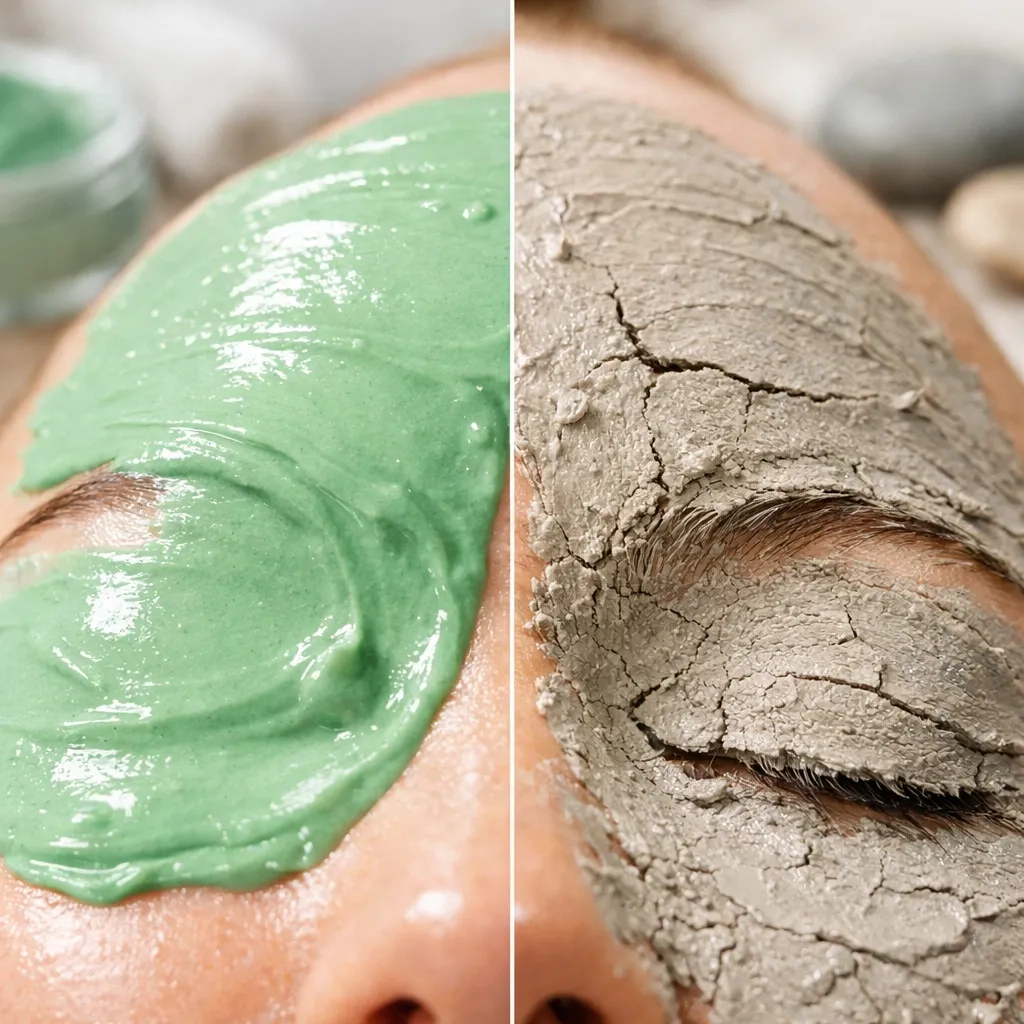
- Don't let it dry completely: This is a common mistake. If the mask starts to crack and itch, it’s already started pulling moisture out of your skin cells. You want to wash it off while it’s still slightly tacky.
- Mix with the right liquid:
- For oily skin: Use water or a little raw apple cider vinegar.
- For sensitive skin: Use rose water or a drop of jojoba oil.
- For a deeper detox: Check out why food-grade green clay is a game changer.
Healing Beyond the Surface
The use of clay isn't just a TikTok trend; it’s rooted in centuries of traditional medicine. The mineralogical characteristics of French Green Clay make it uniquely suited for both cosmetic and medicinal uses. Whether you are dealing with a breakout or a sensitive skin issue, the goal is the same: supporting your skin's natural ability to heal itself.

The Verdict: Bentonite or Green Clay?
If you have extremely oily, "tough" skin and you want the most powerful pull possible, Bentonite is a solid choice: just be prepared for some redness.
However, for 90% of people, French Green Clay is the superior option. It treats the acne and blackheads just as effectively but does so while nourishing the skin and maintaining the delicate pH balance.
If you want the best of the best, Clayer is the winner. It’s safer, more effective, and backed by actual science. Don't settle for "dirt" when you can have a therapeutic mineral.

Ready to clear those pores? You can find more tips on how to use green clay or compare the top detox clays of 2026 on our blog.
Stay clean, stay green!

