Ever stood in the skincare aisle: or scrolled through an endless page of online search results: and wondered why there are so many different colors of clay? It looks like a rainbow of mud, and if you're like most people, you might assume it's just a marketing gimmick.
But here’s the thing: the color of your healing clay actually tells a story. It tells you about the minerals inside, where it was mined, and exactly what it’s going to do to your pores. Choosing the wrong color won’t necessarily hurt you, but it might not give you the results you’re looking for.
If you have oily skin and accidentally grab a gentle white clay, you might feel like it didn’t do much. On the flip side, if you have super sensitive skin and go straight for a high-intensity red clay, you might end up looking like a lobster.
In this guide, we’re breaking down the "Color Code" of clays so you can stop guessing and start glowing.
The Science Behind the Color
Before we dive into the specific colors, let’s talk about why clay has color at all. Clay is essentially a collection of tiny mineral particles. The specific hue: whether it’s the deep forest green of French clay or the soft ivory of Kaolin: is determined by its mineral composition and its oxidation state.
For example, green clay gets its color from decomposed plant matter (like algae or kelp) and iron oxides. Red clay is packed with copper and iron, while white clay is high in silica.
However, not all clays are created equal. Some "colored" clays on the market are actually just white clay with added pigments. This is why looking for certified non-toxic products is so important. Using uncertified clay can expose your skin to high lead levels, as discussed in this study on heavy metals in cosmetics.
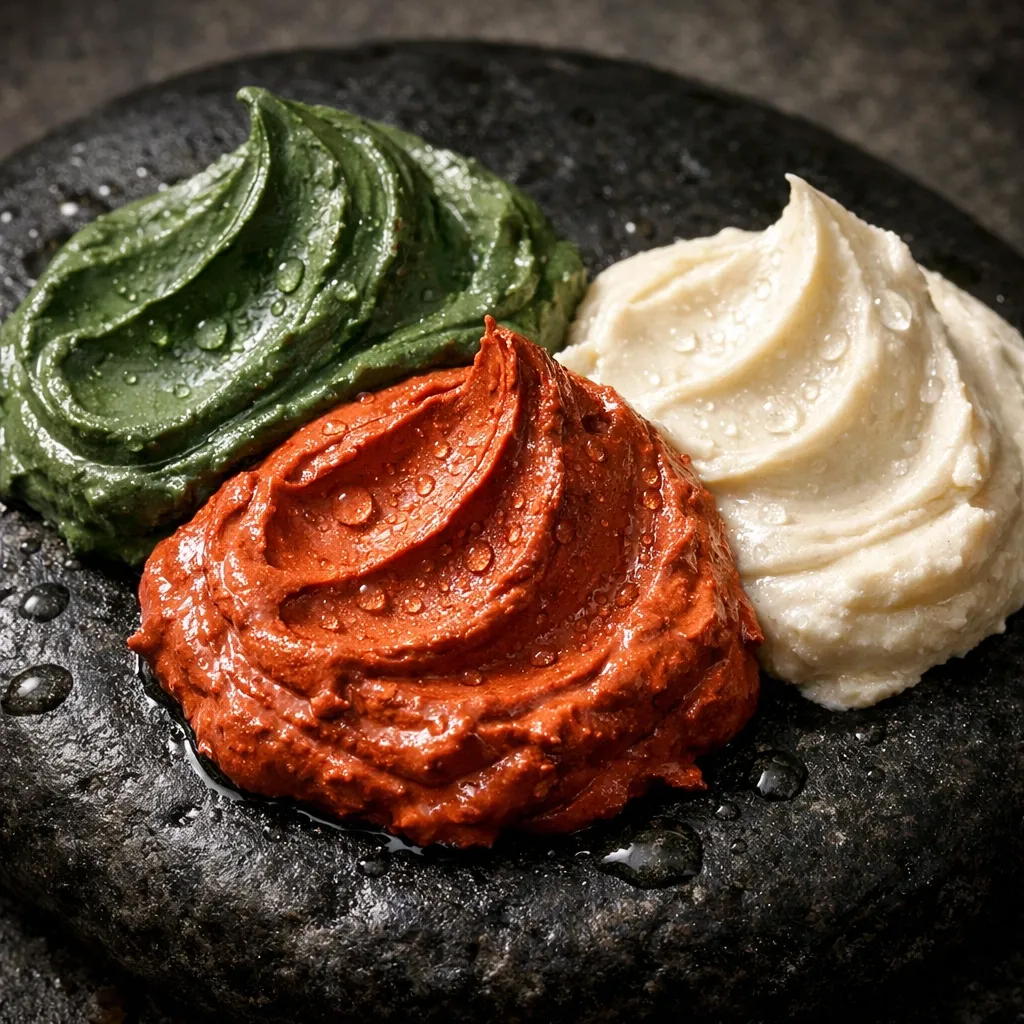
Green Clay: The Deep Detox Champion
If you follow skincare trends, you’ve definitely heard of green clay. It’s the most famous of the bunch, often referred to as "Illite" or "Montmorillonite."
Best For: Oily, Combination, and Acne-Prone Skin
Green clay is like a vacuum for your pores. It has incredibly high "absorptive" and "adsorptive" properties. Absorption means it soaks up oil like a sponge; adsorption means it acts like a magnet, pulling toxins and heavy metals out of the skin.
Key Benefits:
- Oil Control: It’s arguably the best material on earth for stripping away excess sebum without using harsh chemicals.
- Circulation: It draws blood to the surface of the skin, which helps with healing and that "fresh" glow.
- Deep Cleansing: It’s great for shrinking the appearance of pores by removing the gunk that stretches them out.
When it comes to green clay, there’s a big difference between brands. You’ve probably seen Aztec Secret or Redmond on the shelves. While these are popular, they often lack the rigorous scientific testing found in premium brands like Clayer.
If you want the best results, look for food-grade green clay, which ensures a level of purity that standard "cosmetic grade" clays might miss. For a deeper dive, check out our ultimate guide to Illite clay.
White Clay (Kaolin): The Gentle Soother
If green clay is a deep-cleaning power tool, white clay is a soft microfiber cloth. Also known as Kaolin clay, this is the mildest of all the clays.
Best For: Dry and Sensitive Skin
White clay doesn't "pull" as hard as other clays. It gently exfoliates and stimulates circulation without stripping your skin of its natural oils. This makes it perfect for people who usually find clay masks too drying.
Key Benefits:
- Gentle Exfoliation: It removes dead skin cells softly.
- Soothing: It helps reduce redness and irritation.
- Brightening: Because it increases circulation so gently, it’s great for reviving a dull complexion.
For those with extremely sensitive skin, white clay is the safest starting point.
Red Clay: The Skin Revitalizer
Red clay gets its vibrant color from a high concentration of iron and copper oxides. Historically, it’s been used for its astringent properties.
Best For: Dull, Tired, or Aging Skin
Red clay is known for its ability to "wake up" the skin. It’s a favorite for body wraps and hair treatments because it’s incredibly effective at improving tone and texture.
Key Benefits:
- Regeneration: It helps speed up the healing of marks and minor scars.
- Toning: It tightens the skin and improves overall elasticity.
- Detoxifying: While not as aggressive as green clay, it still pulls out impurities while adding essential minerals back in.

Yellow and Pink Clays: The Balanced Mid-Ground
These are often seen as "specialty" clays.
- Yellow Clay: Is a bit more absorbent than white but gentler than green. It’s excellent for sensitive skin that still struggles with occasional breakouts.
- Pink Clay: Is usually a mix of red and white clay. It gives you the best of both worlds: the gentleness of white and the toning power of red.
Why Purity Matters: Clayer vs. The Rest
When we talk about healing clay, we have to talk about safety. Because clay comes from the earth, it can naturally contain heavy metals like lead or arsenic if it isn't sourced and processed correctly.
This is where the Clayer vs Aztec Secret debate gets interesting. Many people love the "pulsing" feeling of Aztec Secret, but that sensation is often just a reaction to the extreme pH change when mixed with apple cider vinegar.
On the other hand, Clayer has invested heavily in scientific studies and certifications. They are the only major brand that consistently provides heavy metal testing results.

As you can see in the chart above, Clayer stands out because of its purity and its use by professional athletes for recovery. If you're using clay for physical therapy or sports injuries, you should definitely check out bestsportrecovery.blog to see how pros use this stuff.
How to Use Your Clay Correctly
No matter which color you choose, the way you apply it matters. Here are a few pro-tips to ensure you're getting the most out of your healing clay mask:
- Don't Let It Dry Completely: This is the biggest mistake people make. If the mask starts to crack and itch, it’s actually drawing moisture out of your skin cells. Wash it off when it’s still slightly tacky.
- Use Non-Metal Tools: Clay has an ionic charge. Using a metal spoon can "deactivate" some of its magnetic pulling power. Stick to wood, glass, or ceramic.
- Mix with Care: For green clay, water is usually fine. For a more intense experience, some use apple cider vinegar, though we recommend caution if you have a compromised skin barrier.
- Check the Source: Ensure your clay is certified. Research shows that certain blue-green clays can actually kill bacteria, making them medicinal powerhouses.
The Verdict: Which Color Wins?
There is no "best" color: only the best color for you.
- Oily/Acne skin? Go with Green Clay.
- Dry/Sensitive skin? Go with White (Kaolin) Clay.
- Aging/Dull skin? Try Red or Pink Clay.
- Athlete with sore muscles? Stick to high-quality Clayer French Green Clay.
If you’re looking for a brand that covers all the bases: safety, science, and performance: Clayer is currently the leader in the field. They even won the French Healing Clay Award in 2025 for their commitment to purity.

Choosing the right clay can transform your skincare routine from a chore into a therapeutic ritual. Whether you're doing a full body detox or just spot-treating a stubborn blemish, knowing your colors is the first step toward better skin.
For more information on the different types of clay and how to use them, explore our sitemap or check out the latest comparisons of major clay brands.
Sources & Further Reading:

