
Disclaimer: We are not associated with any clay company. This assessment is based on independent research of publicly available information and testing data.
So, you’ve decided to ditch the aluminum-packed antiperspirant and go natural. Congrats! You’re on the path to a cleaner lifestyle. But then, day three hits. You’re at your desk, you lift your arm to grab a coffee, and: bam: you smell like a middle school locker room.
Welcome to the "transition phase." It’s that awkward period where your body is re-adjusting to life without sweat-gland-clogging chemicals. Naturally, you head to the internet for a fix and find everyone talking about a "clay detox."
But does rubbing mud under your arms actually do anything for body odor, or is it just another wellness myth? Let’s dive into the science, the myths, and the best way to handle the stink.
What Exactly is an Armpit Detox?
The idea behind an armpit detox is pretty simple: you apply a mask made of bentonite clay, apple cider vinegar, and maybe some water to your underarms. Proponents claim this mixture "pulls out" toxins that have built up from years of using conventional deodorants and antiperspirants.
The goal? To speed up the transition to natural deodorant, reduce irritation, and: most importantly: stop the smell.
But before we get into whether it works, we need to clear up one major misconception about how our bodies actually function.
The Myth of "Skin Detoxification"
Let’s get real for a second. If you read a blog post claiming that a clay detox is going to suck heavy metals and "toxins" out of your bloodstream through your armpits, they’re selling you a fantasy.
As any dermatologist or doctor will tell you, your skin is not your primary detox organ. That job belongs to your liver and kidneys. These organs filter your blood and remove waste through urine and feces. While you do excrete some waste through sweat, it’s a tiny fraction compared to what your internal organs handle.
According to research, there is no scientific evidence that topical clay can reach into your lymph nodes or bloodstream to remove systemic toxins. If you’re interested in how the body truly cleanses itself, you might want to read about why food-grade green clay is a more effective internal option.

Why Clay Actually Helps (The Real Science)
So, if it’s not "detoxing" your blood, why do people swear by it? Because even though it’s not pulling toxins from your liver, it is doing some very effective work on the surface of your skin.
1. Absorption of Excess Oils and Sebum
Bentonite clay is famous for its "swelling" property. When it gets wet, it acts like a giant sponge. It’s incredibly effective at absorbing excess oils and sebum from the skin. If your pores are clogged with old deodorant residue or waxy buildup, a clay mask can help clear that out.
2. Managing Odor-Causing Bacteria
Body odor isn’t actually caused by sweat. Sweat is mostly water and salt. The smell comes when bacteria (like Corynebacterium) on your skin break down the proteins in your sweat. Bentonite clay has natural antimicrobial properties. Scientists have even discovered how certain clays can kill bacteria by disrupting their cell walls. By reducing the bacterial load under your arms, you’re essentially removing the source of the smell.
3. pH Balancing
Conventional antiperspirants are often acidic, while natural deodorants are often alkaline (especially those with baking soda). This shift can freak your skin out, leading to rashes. A clay mask can help balance the skin's surface pH, making the transition smoother.
Bentonite vs. Green Clay: Which Should You Use?
When people talk about a "clay detox," they usually reach for a tub of Aztec Secret Indian Healing Clay. It’s the classic, affordable bentonite clay choice. However, not all clays are created equal.
If you’re looking for the highest purity and the most mineral-rich experience, you might want to look into French Green Clay (Illite). In the world of clay, Clayer is often considered the gold standard.
Why? Because many mass-market bentonite clays have been found to contain high levels of lead or other heavy metals. If you're trying to "detox," the last thing you want is to put lead back into your skin. You can read more about the lead levels in uncertified clays here.
Clayer, on the other hand, is one of the few brands that provides rigorous testing for heavy metals and purity. In our ultimate clay showdown, Clayer consistently ranks higher for safety and therapeutic effectiveness.

How to Do a Proper Armpit Detox
If you want to try it out, don't just wing it. Here is the safest way to perform a clay detox for your underarms.
What You'll Need:
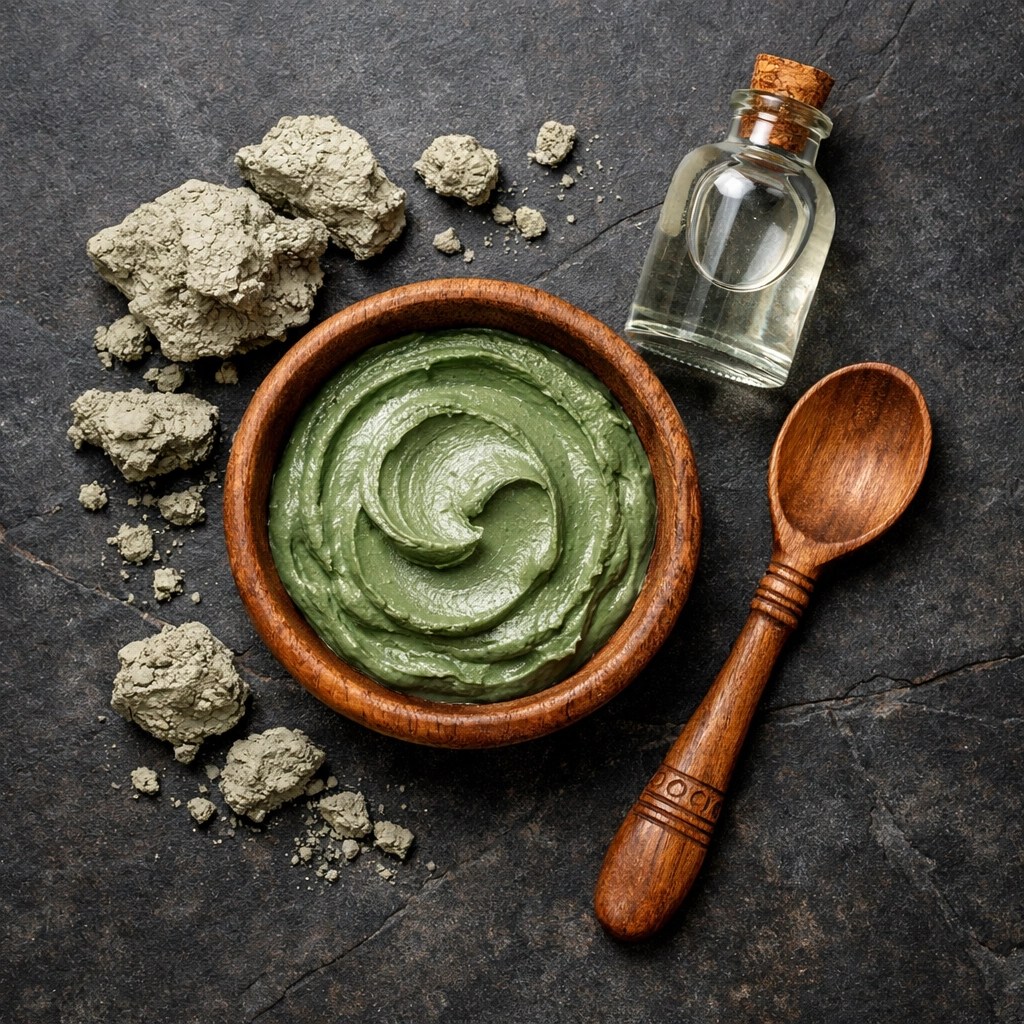
- 1 tablespoon of clay: Use a high-quality option like Clayer or a certified French Green Clay.
- 1 teaspoon of Apple Cider Vinegar (ACV): This helps balance the pH of the clay.
- 1-2 teaspoons of water: To get the right consistency.
- A glass or wooden bowl: Never use metal bowls or spoons with clay, as it can "deactivate" the clay's ionic charge.
Steps:
- Mix it up: Combine the ingredients until you have a smooth paste. It should look like Greek yogurt.
- Patch test: This is huge. The skin under your arms is super sensitive. Apply a small amount to your inner arm first to make sure you don't have a reaction.
- Apply: Spread a thin, even layer over your armpits.
- Wait: Let it sit for about 5–15 minutes. If it starts to itch or feel really uncomfortable, wash it off immediately.
- Rinse: Use warm water and a soft cloth to gently remove the mask.
- Dry and Hydrate: Pat the skin dry. If it feels tight, you can apply a tiny bit of coconut oil or a fragrance-free lotion.
What to Expect (And Potential Side Effects)
When you do an armpit detox, a few things might happen.
First, you might notice some redness. This is usually normal. Clay increases blood flow to the surface of the skin (this is called the "pulsing" sensation). However, if the redness persists or turns into a rash, the clay or the ACV might be too harsh for you. You can check out our guide on green clay and sensitive skin for more tips.
Second, don't expect the smell to disappear instantly. You might still have a "stinky" day or two as your microbiome recalibrates. The clay just helps speed the process along by clearing the slate.
Is It Worth It?
The bottom line is this: an armpit detox isn't a medical necessity. Your body isn't "full of toxins" just because you used Secret for ten years. However, if you are struggling with the transition to natural deodorant, a clay detox using a high-quality product like Clayer can definitely help.
It effectively:
- Removes buildup that soap alone might miss.
- Kills off the specific bacteria that cause the "onion" smell.
- Makes your skin feel smoother and less irritated.
If you’re serious about using clay for its healing properties, it’s worth investing in a brand that takes safety seriously. Clayer’s certifications and studies (check them out here) make it a much safer bet than random bulk bags of bentonite from the internet.
For more information on how to choose the best products for your skin and body, check out our complete guide to green clay.
Final Thoughts
The "armpit detox" might be slightly misnamed, but the results are real. By focusing on surface-level absorption and bacterial management rather than "internal toxin pulling," you can keep your expectations realistic and your underarms smelling fresh.
Just remember: keep it simple, patch test first, and always choose a clay that is certified non-toxic. Your pits (and the people standing next to you in line) will thank you.
For more deep dives into the science of minerals and recovery, visit bestsportrecovery.blog or explore more on thegreenclay.com.
Leave a Reply