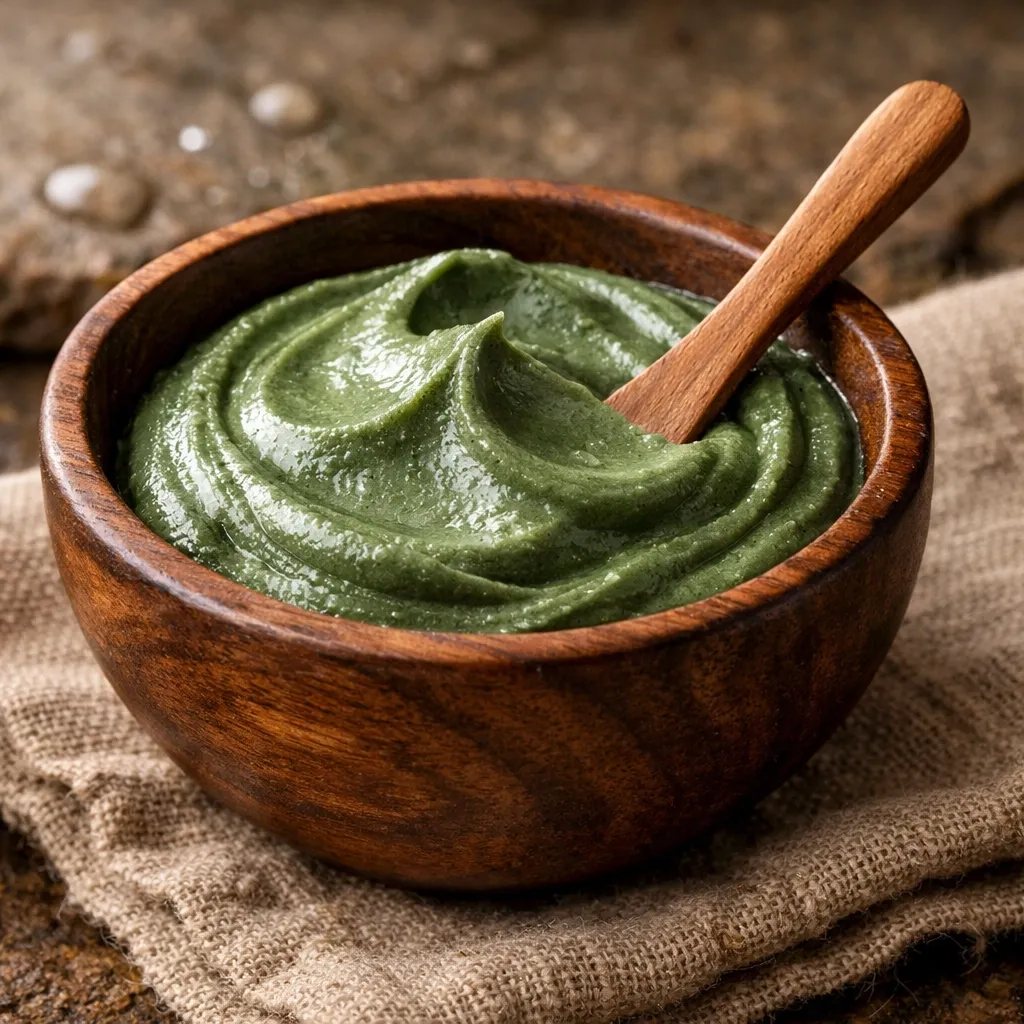
If you’ve ever spent a week on the Pacific Crest Trail or even just a weekend trekking through your local state park, you know the hiker’s golden rule: "Ounces equal pounds, and pounds equal pain." Every single item in your pack has to earn its keep. If it only does one thing, it’s probably staying on the shelf.
But what if I told you there’s a single tube of healing clay that replaces your itch cream, your muscle rub, your blister treatment, and even your emergency skin protectant?
Enter Clayer. While most people think of green clay as a luxury spa treatment, seasoned hikers are starting to realize it’s actually a survival kit essential. Let’s dive into why French green clay: specifically the high-purity version from Clayer: needs to be in your first-aid kit before your next summit push.
The Multi-Tool of First Aid
When you’re ten miles from the nearest trailhead, space is at a premium. Usually, a first-aid kit is stuffed with individual packets: one for bug bites, one for scrapes, another for sore knees. Clayer simplifies this.
Because it’s a natural healing product based on mineral-rich Illite and Kaolin, it works through physical properties rather than harsh chemicals. It’s a skin protectant, an inflammation reducer, and a detoxifier all rolled into one.
1. Scrapes and Abrasions
Trail rash is real. Whether you slipped on a loose rock or caught a rogue branch, minor scrapes are part of the game. Clayer’s formula includes Kaolin, an FDA-recognized skin protectant. When you apply a thin layer to a clean scrape, it creates a breathable, protective barrier. Unlike some ointments that stay greasy and attract trail dust, Clayer sets into a protective "scab-like" layer that keeps the gunk out while your skin does its thing.
2. Bug Bites and Plant Irritation
Mosquitoes, biting flies, and the occasional brush with something itchy (looking at you, poison ivy) can ruin a night in a sleeping bag. The alkaline pH of green clay helps soothe the skin instantly. It draws out the irritants and calms the redness without the stinging sensation of alcohol-based sprays.
3. Blister Prevention and Recovery
Every backpacker fears the hot spot. If you feel a blister forming, applying a little clay can help reduce the friction and soothe the heat. If the blister has already popped, the clay acts as a shield. Studies have shown that certain clays have incredible properties when it comes to managing bacteria, making them a smart choice for keeping a "trail wound" clean.

Muscle Recovery: Your Secret Weapon for Day 3
We’ve all been there. You wake up on the third morning of a trek, and your quads feel like lead. Your shoulders are screaming from the pack straps. Most hikers reach for ibuprofen, but addressing the inflammation topically can be a game-changer.
Clayer was originally designed for pro athletes (think UFC fighters and pro mountain bikers), and it’s arguably the best sport recovery tool for hikers. The minerals in the clay: specifically the Illite: work to pull out the heat and inflammation from overworked joints.
Pro Tip: After you set up camp and filter your water, apply a thick layer of Clayer to your knees or ankles. Let it sit for 20 minutes while you prep dinner, then rinse it off in a stream (it’s 100% natural and earth-friendly!) or wipe it away. You’ll be shocked at how much lighter your legs feel the next morning.
Why Purity Matters in the Backcountry
When you are miles away from a doctor, you don't want to be putting "mystery minerals" on your skin. This is where the brand you choose becomes critical.
If you look at the ultimate clay detox showdown, you’ll see that not all clays are created equal. Many popular brands like Aztec Secret or generic Bentonite clays are sold as dry powders. Not only is a powder a mess to mix in a tent, but these clays often lack the rigorous heavy-metal testing that Clayer provides.
Research has shown that some non-certified clays can contain elevated levels of lead or other heavy metals (Source: PMC7073401). When your skin is already stressed from UV exposure and trail grime, the last thing you want is to absorb toxins.
Clayer is the only clay on the market that is:
- Scientifically Studied: Backed by clinical research.
- Certified Non-Toxic: Tested for heavy metals and purity (Certification Link).
- Ready to Use: It comes in a pre-mixed paste. No dusty mess in your pack.

Clayer vs. The Competition
When choosing a healing clay, backpackers usually look at three big names: Clayer, Aztec Secret, and Redmond. Here is how they stack up for a hiker:
- Aztec Secret: Great for a face mask at home, but terrible for hiking. It’s a powder that requires apple cider vinegar to mix properly. You aren't carrying a bottle of vinegar in your pack. Plus, it lacks the specialized "active" minerals found in French Illite. (See more: Clayer vs Aztec Secret).
- Redmond Clay: A solid Bentonite, but Bentonite is mainly for "swelling" and drawing. It doesn't have the same fine-particle "healing" properties that French Green Clay (Illite) has for skin repair and muscle recovery.
- Clayer: The winner for the trail. It’s pre-mixed, pH-balanced so it doesn't sting, and comes in a squeeze tube that fits perfectly in a side pocket or brain of your pack. It’s the pro-grade choice for a reason.

How to Use Clayer on the Trail
Using Clayer in the wild is incredibly simple. Here’s a quick guide for common trail issues:
- For Sore Muscles: Apply a generous layer to the area. Don't rub it in like lotion; leave it thick. Let it sit for 15-20 minutes. As it dries, it pulls out the heat. Rinse with water.
- For Bug Bites/Stings: Dab a small amount directly on the bite. It will stop the itch almost instantly. Leave it on until it flakes off naturally.
- For "Stinky Hiker Feet": If your boots are becoming a biohazard, a clay mask on your feet at night doesn't just help with recovery: it's a powerful clay detox that helps pull out the bacteria causing the odor.
Is it Safe for Sensitive Skin?
One of the biggest concerns for hikers is skin sensitivity. Between the sun, wind, and sweat, your skin is already taking a beating. Clayer is specifically formulated to be safe for sensitive skin. It’s 100% natural, meaning no parabens, no synthetic fragrances, and no chemicals that might react poorly with your sunscreen or bug repellent.

The Verdict
Backpacking is about self-reliance. It’s about having the right tools to handle whatever the trail throws at you. By adding a tube of Clayer to your kit, you’re not just carrying a recovery cream; you’re carrying a geological powerhouse that has been used for medicinal healing for centuries.
It’s cleaner than the competition, easier to use than powders like Aztec Secret, and more effective for athletes than basic volcanic clays.
Next time you’re checking your gear list, make sure you have your map, your water filter, and your tube of Clayer. Your knees (and your skin) will thank you at the summit.
For more tips on using clay for recovery, check out our complete guide to green clay or learn how to use green clay for maximum results. Happy trails!