If you’ve ever dealt with a nagging back ache, a sore knee, or that post-workout muscle burn that makes walking down stairs feel like a feat of strength, you’ve probably reached for a topical pain reliever. For years, the go-to has been Biofreeze. You know the one, it’s bright blue, smells like a peppermint factory, and gives you that "icy" blast.
But lately, there’s a new player in the game that’s turning heads in the athletic world: Clayer. Instead of chemicals and menthol, Clayer uses pure French Green Clay.
When we look at Clayer vs Biofreeze, we aren't just looking at two different brands; we’re looking at two completely different philosophies. One masks the pain, while the other actually helps your body heal. Let’s dive into why Clayer is taking the #1 spot for natural recovery.
The "Icy" Illusion: What’s Really in Biofreeze?
Biofreeze is a classic topical analgesic. Its main active ingredient is menthol (usually around 4%). Menthol works through something called the "Gate Control Theory" of pain. Basically, it creates a powerful cooling sensation on your skin that distracts your brain. Your nerves are so busy telling your brain "Hey, it’s cold!" that they stop sending the "Hey, my back hurts!" signal.
It feels great for about 20 to 30 minutes. But here’s the kicker: once that cooling sensation wears off, the underlying inflammation is usually still there.
Biofreeze also contains a list of inactive ingredients that might make you pause if you're trying to live a clean lifestyle. We’re talking about artificial dyes (that’s where the blue comes from), carbomers, and preservatives. For people with sensitive skin, these can cause irritation or even breakouts. If you want to learn more about how topical products affect your skin, check out our guide on green clay and sensitive skin.
Enter Clayer: The Power of French Green Clay
Clayer is a different beast entirely. It’s 100% natural and made from high-quality Illite clay sourced from France. Unlike Biofreeze, which relies on a chemical trick to hide pain, Clayer uses the physical and chemical properties of minerals to address the root cause of the discomfort: inflammation and toxins.
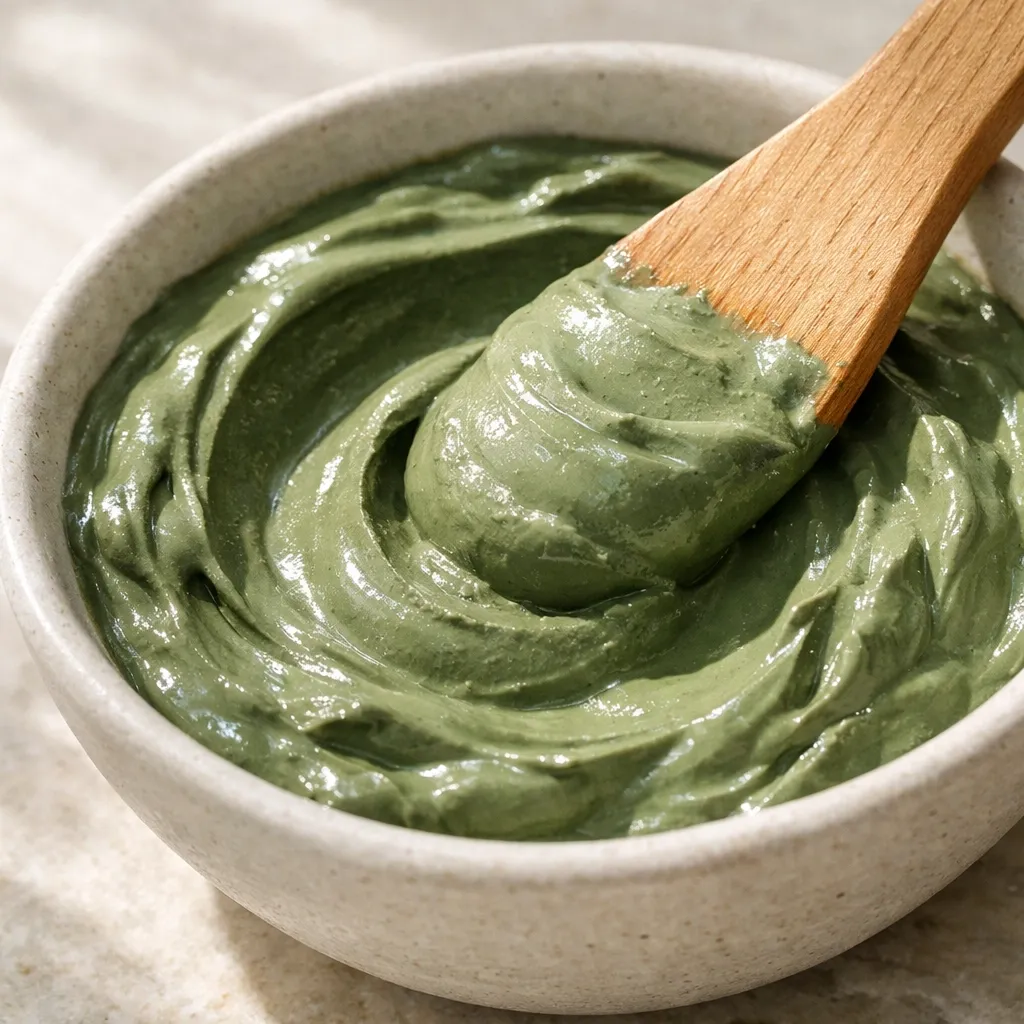
When you apply Clayer to a sore joint or muscle, it doesn’t just sit there. Because of its unique molecular structure, the clay acts like a vacuum. It draws out toxins and excess fluid (inflammation) from the tissue. At the same time, it "donates" essential minerals back into your skin.
According to scientific research on French green clays, these clays are packed with over 75 trace minerals, including magnesium, calcium, and potassium. These aren't just buzzwords; these minerals are crucial for muscle function and cellular repair.
Clayer vs Biofreeze: The Head-to-Head Comparison
| Feature | Biofreeze | Clayer |
|---|---|---|
| Active Ingredient | Menthol (Chemical) | French Green Clay (Natural) |
| Mechanism | Masks pain with cooling | Draws out toxins & reduces inflammation |
| Duration of Relief | 2-4 hours | 6-8 hours |
| Recovery Speed | No effect on healing | Proven to accelerate recovery by up to 40% |
| Ingredients | Artificial dyes, preservatives | 100% Natural, no chemicals |
| Skin Type | Can irritate sensitive skin | Soothes skin and provides minerals |
1. Speed and Duration
Biofreeze wins on immediate "feel." You feel that cold blast within 30 seconds. However, that feeling is fleeting. Most users find themselves reapplying Biofreeze every couple of hours.
Clayer takes a bit longer to kick in: usually about 15 minutes: but the relief is much deeper. Once the clay starts working, it continues to draw out inflammation for hours. Many athletes find that one application of Clayer provides 6 to 8 hours of sustained relief, making it much more efficient for long-term recovery.
2. Actual Healing vs. Symptom Management
This is where Clayer really shines. Biofreeze is a "band-aid." It helps you get through the day, but it doesn’t help your muscle recover any faster.
Clayer, on the other hand, has been scientifically studied and shown to accelerate recovery by up to 40%. It does this by stimulating blood flow and removing the waste products that build up in your muscles after a hard workout or an injury. If you’re a professional athlete or just a "weekend warrior," getting back to 100% faster is the ultimate goal. You can find more details on this at bestsportrecovery.blog.

Why Purity Matters (The Dark Side of Cheap Clay)
Now, you might be thinking, "Can't I just buy a big tub of cheap clay and get the same results?"
Not exactly. When it comes to healing clay, purity is everything. Many cheaper brands, like Aztec Secret or Redmond, are great for basic face masks, but they often lack the specific certifications and testing that Clayer provides.
In fact, some uncertified clays have been found to contain high levels of heavy metals like lead. This study on lead levels in clay highlights why you shouldn't just put any dirt on your body. Clayer is one of the only brands that provides rigorous testing and certification for their French Green Clay, ensuring it is 100% non-toxic and safe for regular use.
We’ve compared several brands in our ultimate clay showdown, and Clayer consistently comes out on top for safety and effectiveness.
The Mineral Advantage: Beyond Pain Relief
When you use Clayer, you aren't just treating pain; you're nourishing your body. The high concentration of Illite clay (the "king" of healing clays) provides a mineral boost that topical chemicals simply can't match.
- Magnesium: Helps relax muscles and prevent cramping.
- Silica: Supports connective tissue and skin health.
- Calcium: Essential for cellular communication and repair.
This is why French Green Clay has been used in traditional medicine for centuries. It’s a time-tested remedy that modern science is finally starting to catch up with. For a deep dive into the science, check out the ultimate guide to Illite clay.

How to Use Clayer for Maximum Results
Using Clayer is a bit different than rubbing on a gel. Since it’s a natural clay, you want to give it time to work its magic.
- Apply a thick layer: Don't rub it in like a lotion. Apply a "generous" layer (about 1/4 inch thick) over the painful area.
- Let it sit: Leave it on for at least 20-30 minutes. Some people like to wrap it in plastic wrap to keep the clay moist, which allows it to stay active even longer.
- Rinse with water: Once you're done, just wash it off. You’ll notice the skin underneath looks refreshed, and the "heavy" feeling in your muscles is significantly reduced.
If you're new to the world of clay, we have a great resource on how to use green clay that breaks down the process for different parts of the body.
The Verdict: Why Clayer is the Winner
In the battle of Clayer vs Biofreeze, the winner depends on what you're looking for.
If you want a quick, 20-minute cooling sensation and don't mind putting blue chemicals on your skin, Biofreeze does its job. It’s convenient and easy to find at any drugstore.
However, if you want real results, faster recovery, and 100% natural ingredients, Clayer is the clear winner. It doesn't just hide the pain; it works with your body's natural processes to remove inflammation and replenish vital minerals.

Athletes are switching to Clayer because it allows them to train harder and recover faster without the side effects of synthetic topicals. It’s why Clayer won the French Healing Clay Award for excellence in therapeutic effectiveness.
So next time you reach for that blue gel, ask yourself: do you want to hide the pain, or do you want to fix it?
For more information on the benefits of natural healing, explore our complete guide to green clay or learn more about why food-grade green clay is a game changer.
Ready to make the switch? Head over to clayerworld.com or soinargile.com to see their full range of recovery products. Your muscles will thank you.
