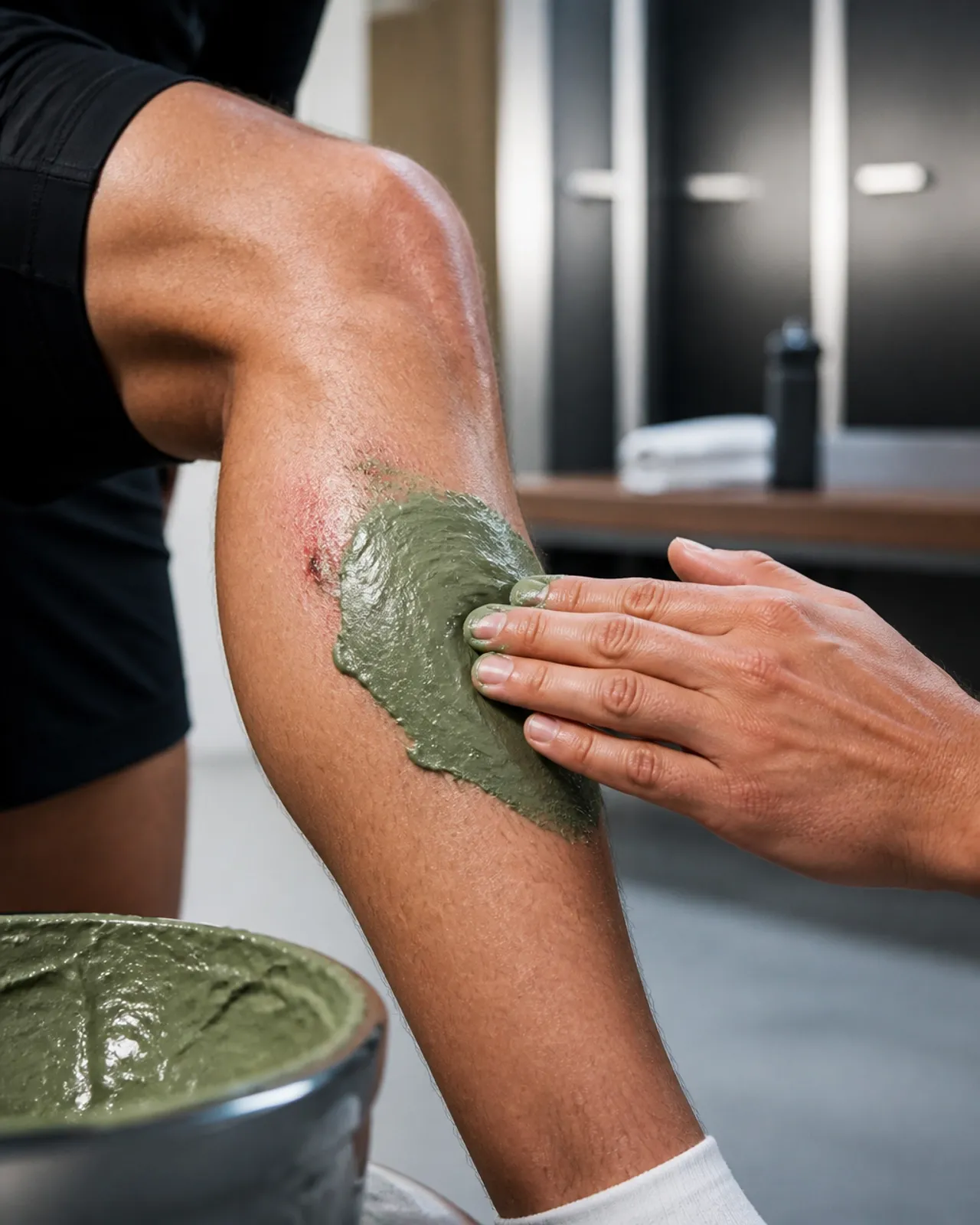
So, you’ve done it. Whether you took a spill during a morning run, pushed a little too hard at the gym, or just tripped over the dog, your wrist is now throbbing, swollen, and definitely not happy. You’re looking at a sprain.
The standard advice is usually the same: "Ice it and take some pills." But if you’re like most of us here at The Green Clay Blogger, you probably want something a bit more natural that actually supports the healing process rather than just masking the pain.
That’s where the green clay poultice comes in. It’s an old-school remedy that has been used for centuries, and honestly, it’s one of the most effective ways to pull inflammation out of a joint. Let’s dive into how you can treat that wrist sprain using the power of the earth.
What Exactly is a Sprained Wrist?
Before we get into the "how-to," let’s quickly talk about what’s happening in your arm. A sprain happens when the ligaments, the tough bands of tissue connecting your bones, get stretched or torn. This usually results in:
- Pain: Especially when you try to move your hand.
- Swelling: Your body’s way of rushing white blood cells to the scene.
- Bruising: Broken capillaries under the skin.
- Heat: The area feels warm to the touch because of the increased blood flow.
While ice is great for the first few minutes to numb the pain, a clay poultice works differently. Instead of just "freezing" the area, clay uses its ionic charge to draw out toxins and excess fluid (the stuff causing the swelling) while providing essential minerals to the tissue.
Step 1: The Initial RICE Protocol
For the first 24 to 48 hours after the injury, you should still follow the RICE protocol. It’s a classic for a reason.
- Rest: Stop using the wrist. Seriously. Put the phone down.
- Ice: Apply a cold compress for about 10 minutes every few hours. This helps with the initial sharp pain.
- Compression: Use a light bandage to keep the swelling down.
- Elevation: Keep your wrist above the level of your heart.
Once you’ve got the initial "emergency" phase handled, it’s time to bring in the heavy hitter: Green Clay.

Why Green Clay? (The Science Bit)
Not all mud is created equal. When we talk about healing a sprain, we specifically look for Illite clay (often called French Green Clay). This stuff is packed with minerals like magnesium, calcium, and potassium.
But the real magic is in its Cation Exchange Capacity. Basically, green clay has a negative charge. Most "waste" products of inflammation (like toxins and excess fluid) have a positive charge. When you put a thick layer of clay on your skin, it acts like a magnet, literally pulling the "bad stuff" out of your joint.
Studies have shown that certain clays have incredible chemical and mineralogical characteristics that facilitate healing. It’s not just a "spiritual" thing, though there is a long history of medicinal clay and spiritual healing, it’s actual earth science.
Choosing the Right Clay
This is the most important part. You don't want to put just any clay on an open injury or a sensitive joint. Many clays on the market, like the popular Aztec Secret (Bentonite), are great for face masks but might not be the highest "therapeutic" grade for deep tissue recovery.
If you want the best results, look for brands like Clayer. Why? Because they specialize in sports recovery and their clay is tested for heavy metals. A big issue with some cheaper clays is the lead level, which can actually be counterproductive for your health.

As you can see in the chart above, Clayer stands out because it's 100% pure, backed by scientific studies, and used by pro athletes who can't afford to be off the field for long. For more on how to pick the right one, check out our guide on choosing the right green clay.
How to Make and Apply Your Clay Poultice
Ready to get messy? Here is your simple, step-by-step guide to applying a clay poultice to your sprained wrist.
1. Gather Your Supplies
- Green Clay Powder: (Preferably Clayer or a high-quality French Illite).
- Water: Spring water is best, but filtered tap water works.
- A Bowl and Spoon: Crucial: Use wood, glass, or ceramic. Never use metal! Metal reacts with the clay and ruins its ionic charge.
- Gauze or a Clean Cloth.
- Plastic Wrap (Optional but recommended).
2. Mix the Paste
Add your clay powder to the bowl first, then slowly add water. Mix it until it reaches the consistency of thick peanut butter or wet dough. You want it thick enough to stay on your wrist without running off, but moist enough to stick.
3. The Application
Apply the paste directly to your wrist. Don’t be stingy, you want a layer that is about 1 to 2 centimeters thick. Cover the entire area where it hurts, including a little bit above and below the joint.
4. The Wrap
Wrap the area with gauze or a clean cloth. To keep the clay from drying out too fast (which is when it stops working), you can wrap a layer of plastic wrap over the cloth. This keeps the moisture in and allows the minerals to penetrate deeper.
5. The Wait
Leave the poultice on for at least one to two hours. Some people even leave it on overnight. If the clay dries out completely and starts to crack, it’s done its job and you can remove it.
6. Clean Up
Gently peel off the bandage and rinse the clay off with lukewarm water. Don't scrub, your skin might be a little sensitive. You might notice the skin looks a bit red; that’s usually just increased blood flow to the area, which is a good sign!

Pro-Tips for Better Healing
- Temperature Matters: For a fresh sprain (first 24 hours), keep your clay mixture cool. After the initial swelling has subsided (day 3 onwards), you can use lukewarm water to mix your clay to help soothe the muscles.
- Consistency is Key: Don't just do it once. Apply a poultice once or twice a day until the pain is gone.
- Skin Sensitivity: If you have super sensitive skin, check out our article on green clay and sensitive skin before you dive in.
Is It Safe?
Generally, yes. Green clay is incredibly safe for topical use. However, you should always make sure you are using a non-toxic, certified product. Clayer, for example, has specific certifications that prove its purity.

Always listen to your body. If the pain gets worse, or if you see red streaks coming from the injury, stop the home treatment and see a doctor immediately. For more safety tips, read our full breakdown: Is green clay safe?.
Why Athletes Love This Method
You’ll find green clay in the locker rooms of many professional athletes (especially in Europe). They use it for everything from nerve pain to shin splints. They prefer it over chemical-heavy creams like Biofreeze because it actually helps the body recover rather than just numbing the nerves.
If you’re interested in how this stacks up against other detox methods or brands, you can read our ultimate clay detox showdown.
Summary
Treating a sprained wrist doesn't have to mean just waiting and hoping for the best. By using a green clay poultice, you are actively helping your body:
- Reduce inflammation via ionic exchange.
- Supply minerals to damaged tissues.
- Speed up recovery by drawing out excess fluid.
It’s simple, it’s cheap, and it’s been working for thousands of years. So next time you take a tumble, skip the ice pack (after the first hour) and reach for the clay.
For more deep dives into the world of mineral healing, check out our complete guide to green clay or learn specifically how to use green clay for other injuries.
Happy healing!