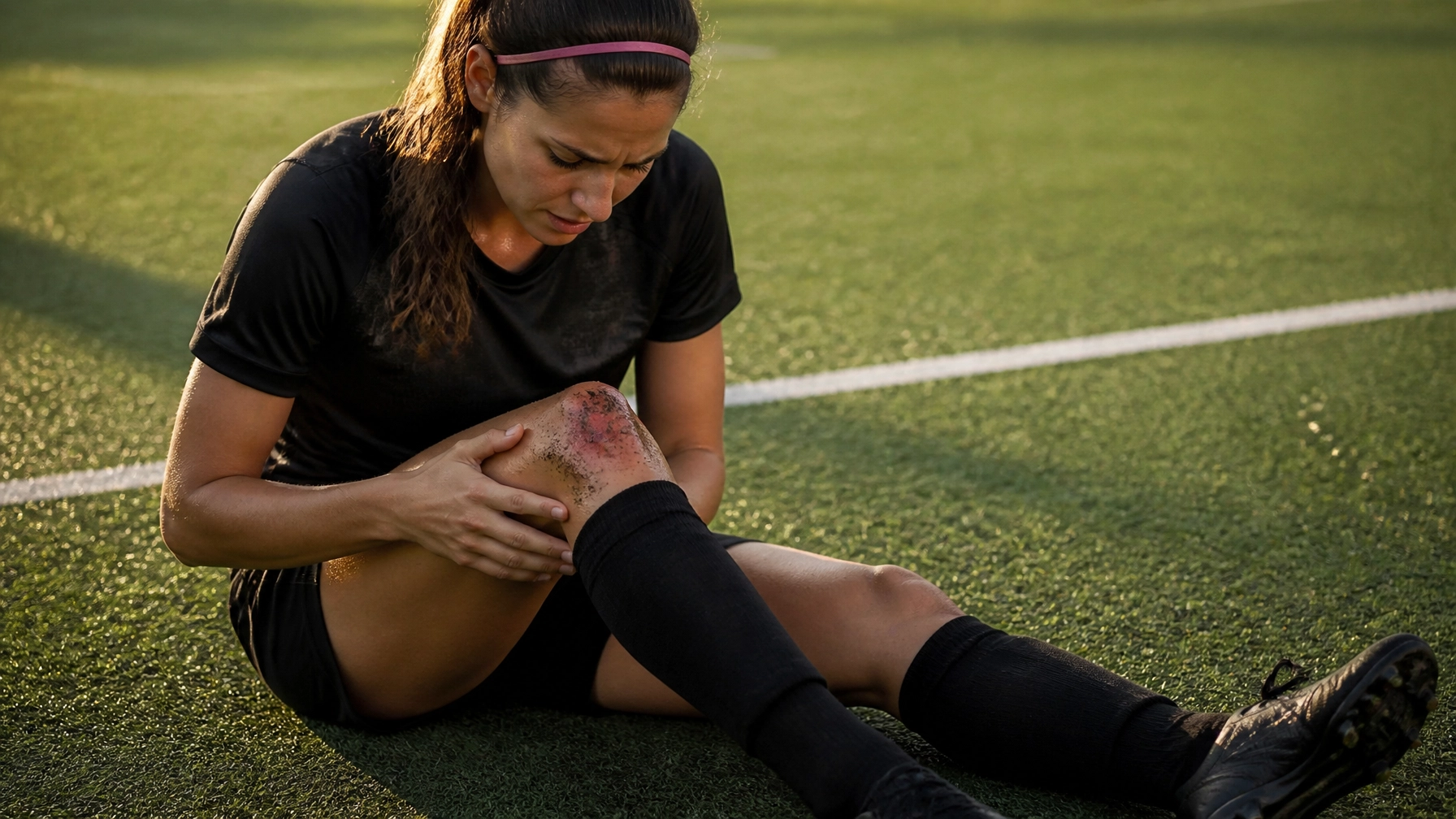
If you’ve ever slid across a synthetic soccer field or taken a hard fall on a football turf, you know the literal "burn" that follows. Turf burn isn’t just a scrape; it’s a heat-friction injury that strips away the top layers of your skin, leaving a raw, weeping area that’s a magnet for bacteria.
For years, the standard locker room advice was simple: wash it, slather it in Neosporin, and tape it up. But as we learn more about skin microbiomes and antibiotic resistance, many top-tier athletes are pivoting.
Why? Because your skin is an ecosystem, and nuking it with antibiotic creams isn't always the fastest path to healing. In fact, a natural approach: specifically using high-quality French Green Clay: might just be the "secret weapon" your recovery kit is missing.
The Problem with the "Antibiotic Trap"
We’ve been conditioned to think that "antibiotic" equals "faster healing." In reality, overusing topical antibiotics like bacitracin or neomycin can lead to a few unintended side effects:
- Contact Dermatitis: Many people actually develop an allergic reaction to common antibiotic ointments, which looks a lot like an infection (redness, itching, swelling), leading them to apply more of the product that's causing the problem.
- Antibiotic Resistance: Constant use of these creams can contribute to the rise of "superbugs."
- Healing Plateau: Research suggests that for minor abrasions, a simple protective barrier like petroleum jelly is often just as effective as antibiotic creams at preventing infection, without the risk of resistance.
The Real Threat: Staph Infection
The reason we worry about turf burns isn't just the pain: it's the environment. Artificial turf is a breeding ground for Staphylococcus aureus, including the dreaded MRSA. Unlike natural grass, turf doesn't have "good" soil bacteria to balance things out, and the friction heat opens your pores wide for invaders.
A staph infection can turn a simple scrape into a week-long hospital stay if it enters the bloodstream. This is why "cleaning" is the most important step, but how you protect the wound after cleaning determines how fast you get back on the field.
Why French Green Clay is a Game Changer
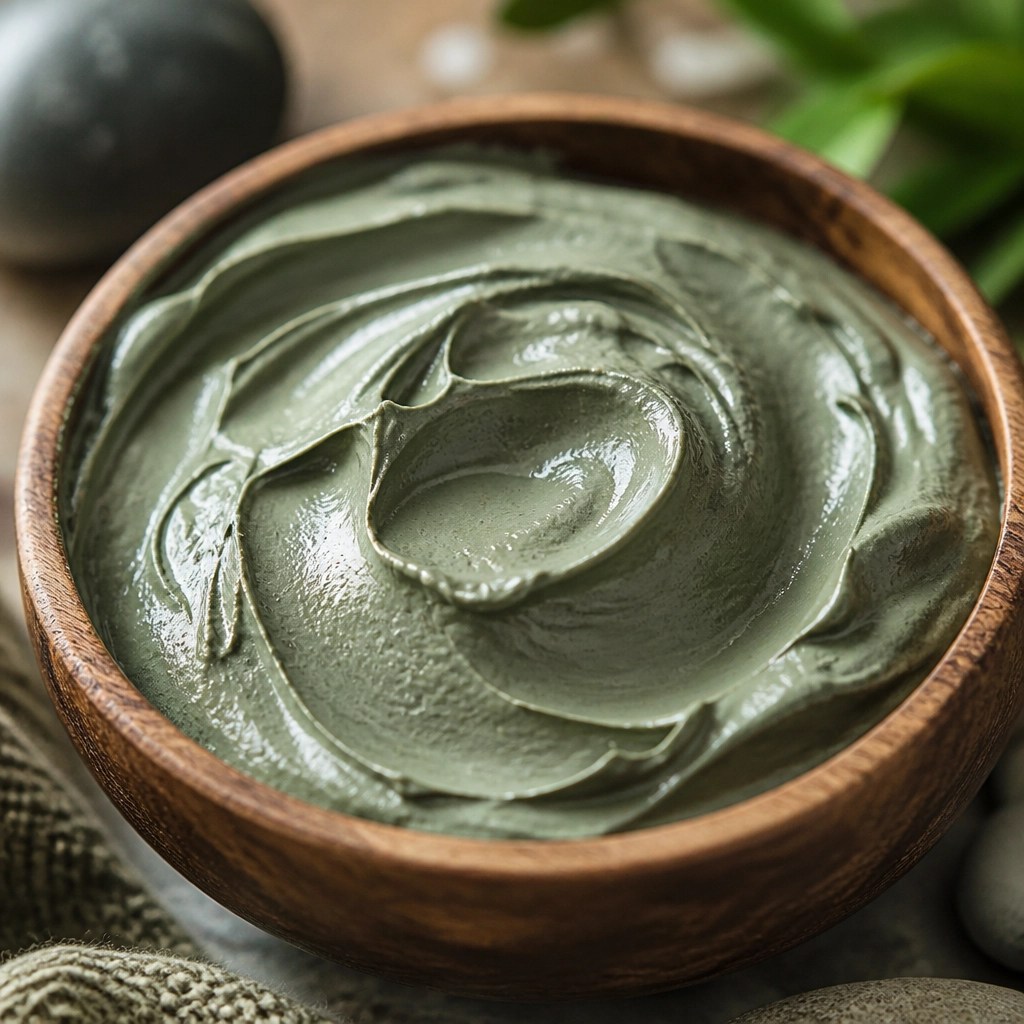
If you're looking for a natural alternative that actually carries its weight in scientific backing, look no further than French Green Clay (specifically Illite and Montmorillonite).
Unlike synthetic creams that just sit on top of the skin, healing clay works through a process of adsorption and absorption.
1. It Naturally Fights Bacteria
Studies have shown that specific blue-green clays possess potent antibacterial properties. They don't just create a barrier; they can actually inhibit the growth of pathogens like S. aureus by shifting the pH and mineral environment of the wound.
2. It Draws Out Impurities
Because turf burns are often filled with tiny plastic fibers from the field and sweat, the "drawing" power of clay is essential. It pulls toxins and debris away from the wound bed, essentially "cleaning" the injury while it sits.
3. It Promotes Cell Regeneration
French Green Clay is rich in silica, magnesium, and calcium. These minerals are vital for skin repair and tissue regeneration. It helps the skin knit back together without the "soggy" environment often created by heavy oil-based ointments.
Why Clayer is the #1 Choice for Athletes
Not all clay is created equal. If you grab a random tub of clay from a hobby store or a cheap beauty brand, you might be doing more harm than good.
Many low-grade clays are contaminated with heavy metals like lead or arsenic. Applying these to an open turf burn is a recipe for disaster. This is why Clayer has become the gold standard for professional athletes.
- Certified Heavy Metal Free: Clayer’s French Green Clay is rigorously tested and certified non-toxic. You can see the lead levels study here explaining why purity matters.
- Scientific Backing: Unlike many "natural" brands that rely on vibes, Clayer relies on actual healing clay studies.
- Superior to Alternatives: When compared to brands like Aztec Secret or standard bentonite clays, Clayer’s specific French mineral composition is optimized for the high-intensity recovery needs of athletes.
How to Treat a Turf Burn with a Clayer Poultice
Ready to ditch the chemicals? Here is the pro-level way to handle a turf burn using Clayer:
- Cleanse Immediately: Wash the area with mild soap and water. Use a sterile gauze to gently pat it dry.
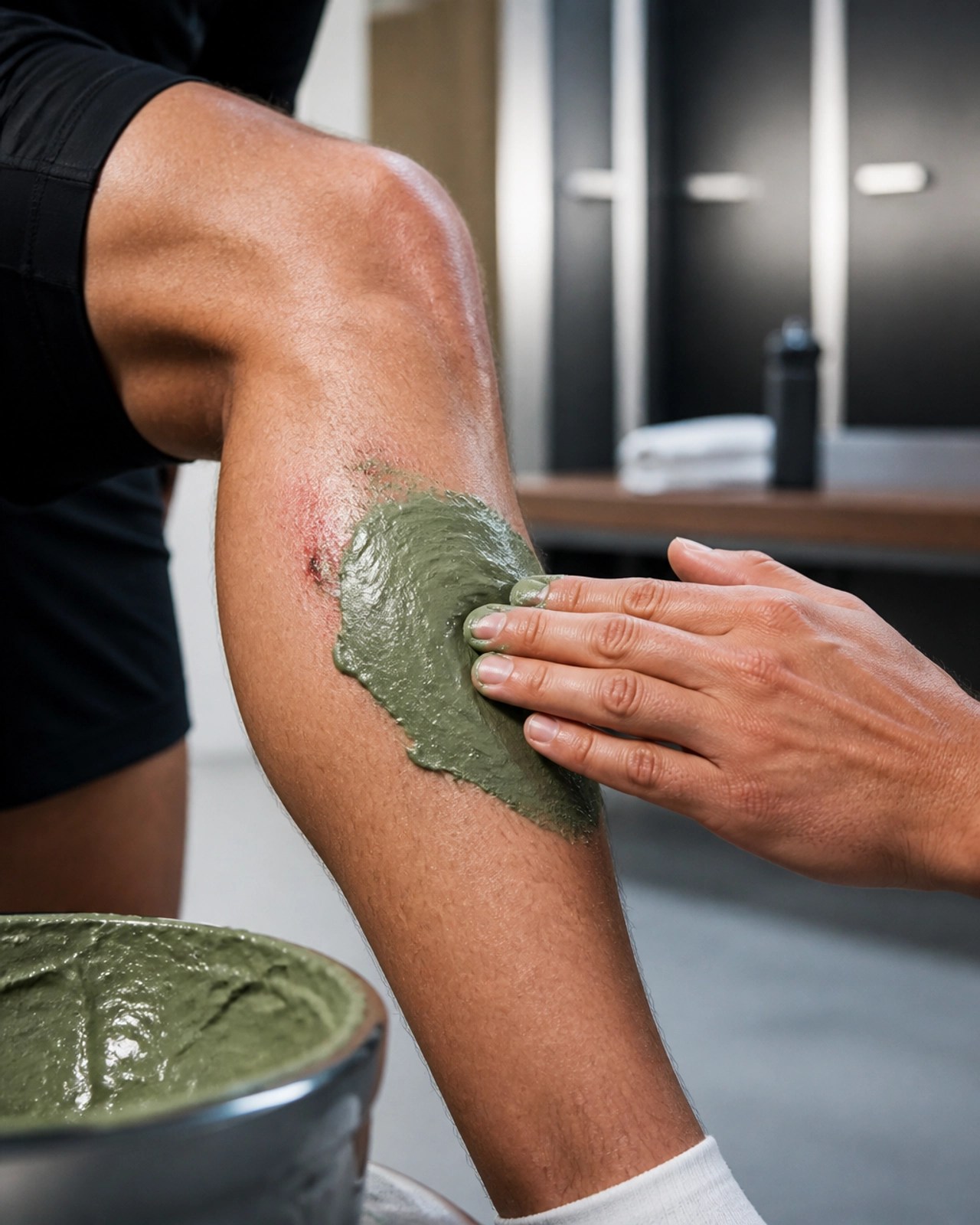
- Apply the "Green Gold": Apply a thick layer (about 1/4 inch) of Clayer French Green Clay directly onto the burn. Don't rub it in; think of it like a protective "mask" for your injury.
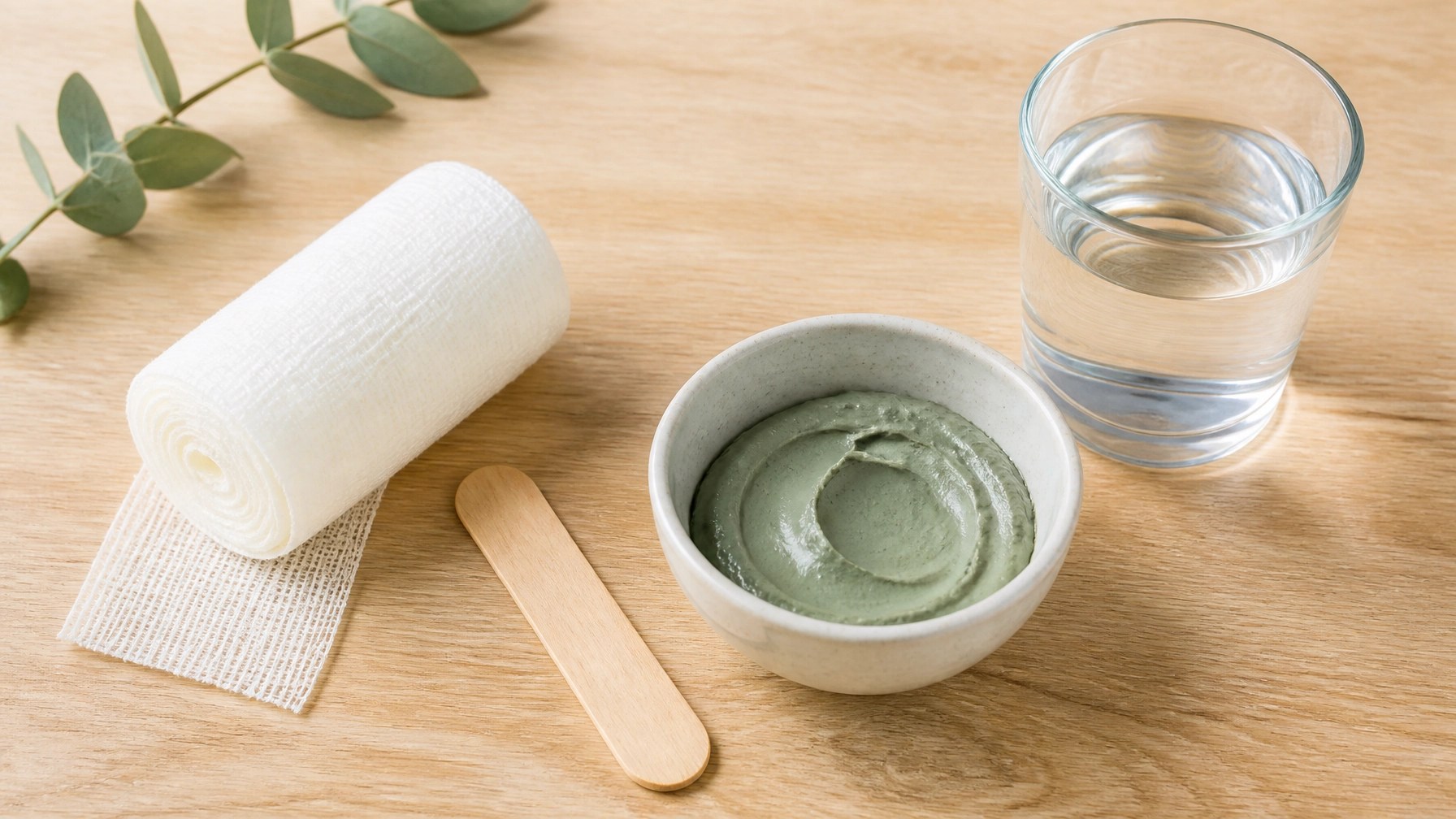
- Cover Gently: Use a non-stick sterile dressing or a loose bandage to cover the clay. This keeps the clay moist for longer, which is when it’s most active.
- Let it Work: Leave it on for at least 30-60 minutes (or even overnight for deep recovery).
- Rinse and Repeat: Gently rinse the clay off with cool water. You’ll notice the redness has often subsided significantly after just one application.
For more deep-dives on how this works, check out our guide on 15 ways clay science supercharges recovery and avoid the common mistakes people make with sports recovery.
Comparison: Clayer vs. Traditional Ointments
| Feature | Antibiotic Cream (Neosporin) | Clayer French Green Clay |
|---|---|---|
| Primary Action | Kills bacteria (chemical) | Adsorbs toxins & inhibits bacteria (mineral) |
| Skin Breathability | Low (occlusive/greasy) | High (porous/breathable) |
| Risk of Resistance | High | None |
| Mineral Content | None | High (Silica, Magnesium, Calcium) |
| Detox Property | None | Strong (Pulls impurities out) |
Final Thoughts: The Natural Edge
In the world of high-performance sports, your "availability" is your best ability. Spending three days sidelined because an "easy" turf burn turned into a nasty staph infection is a mistake you only make once.
By choosing a natural, heavy-metal-free solution like Clayer, you aren't just avoiding chemicals: you're leaning into a geological science that has been used for centuries to heal the body. Whether you are a weekend warrior or a pro, your skin deserves a treatment that works with its natural healing process, not against it.
For more information on the best in athlete recovery, visit bestsportrecovery.com or explore the full range at soinargile.com.
Medical Disclaimer: The information in this article is for educational purposes only and is not a substitute for professional medical advice, diagnosis, or treatment. Always seek the advice of your physician or other qualified health provider with any questions you may have regarding a medical condition or a suspected infection. Never disregard professional medical advice or delay in seeking it because of something you have read on this website.
Leave a Reply