If you’ve ever felt that sickening "pop" or sudden twist in your knee followed by immediate swelling, you know exactly how frustrating a sprained knee can be. Whether it happened on the soccer field, during a morning jog, or just a clumsy trip over the dog, a sprain sidelines you.
Standard advice usually starts and ends with "RICE" (Rest, Ice, Compression, Elevation). But if you’re looking to get back on your feet faster, there’s a secret weapon that professional athletes and traditional healers have used for centuries: sprained knee green clay treatments.
Specifically, we’re talking about French Illite clay. It’s not just "mud." It’s a mineral-dense powerhouse that helps pull out heat, reduce swelling, and support the actual repair of your connective tissues. In this guide, we’re going to break down why green clay: and specifically Clayer: is the gold standard for knee recovery.
What Actually Happens When You Sprain Your Knee?
A sprain isn't just "soreness." It’s an injury to the ligaments: the tough, fibrous tissues that connect your bones. When these get stretched or torn, your body goes into overdrive. It sends a flood of fluid to the area (inflammation) to protect it. While inflammation is a natural part of healing, too much of it for too long actually slows down the recovery process and causes a lot of pain.
This is where the science of green clay comes in. Unlike ice, which just numbs the area and constricts blood flow, green clay works by absorbing excess heat and promoting better circulation.
Why Green Clay is a Sprain’s Best Friend
Green clay, especially the Illite variety found in France, is unique because of its high "adsorption" and "absorption" qualities.
- Heat Absorption: Inflammation makes your knee feel hot. Green clay naturally draws that heat out of the joint.
- Mineral Infusion: It’s packed with silicon, magnesium, and zinc. These aren't just buzzwords; they are essential for collagen generation. According to mineralogical studies, these minerals help repair the connective tissue that was damaged during the sprain.
- Detoxification: It helps clear out the metabolic waste that builds up around an injury site.
While many people reach for Aztec Secret or Redmond clay, those are typically Bentonite clays. While okay for a basic face mask, they don't have the same specialized mineral profile for deep tissue recovery that French Illite clay does. This is why Clayer is consistently ranked as the #1 choice for athletes. It’s specifically processed for therapeutic use, ensuring it’s free of the heavy metals often found in cheaper, industrial-grade clays.
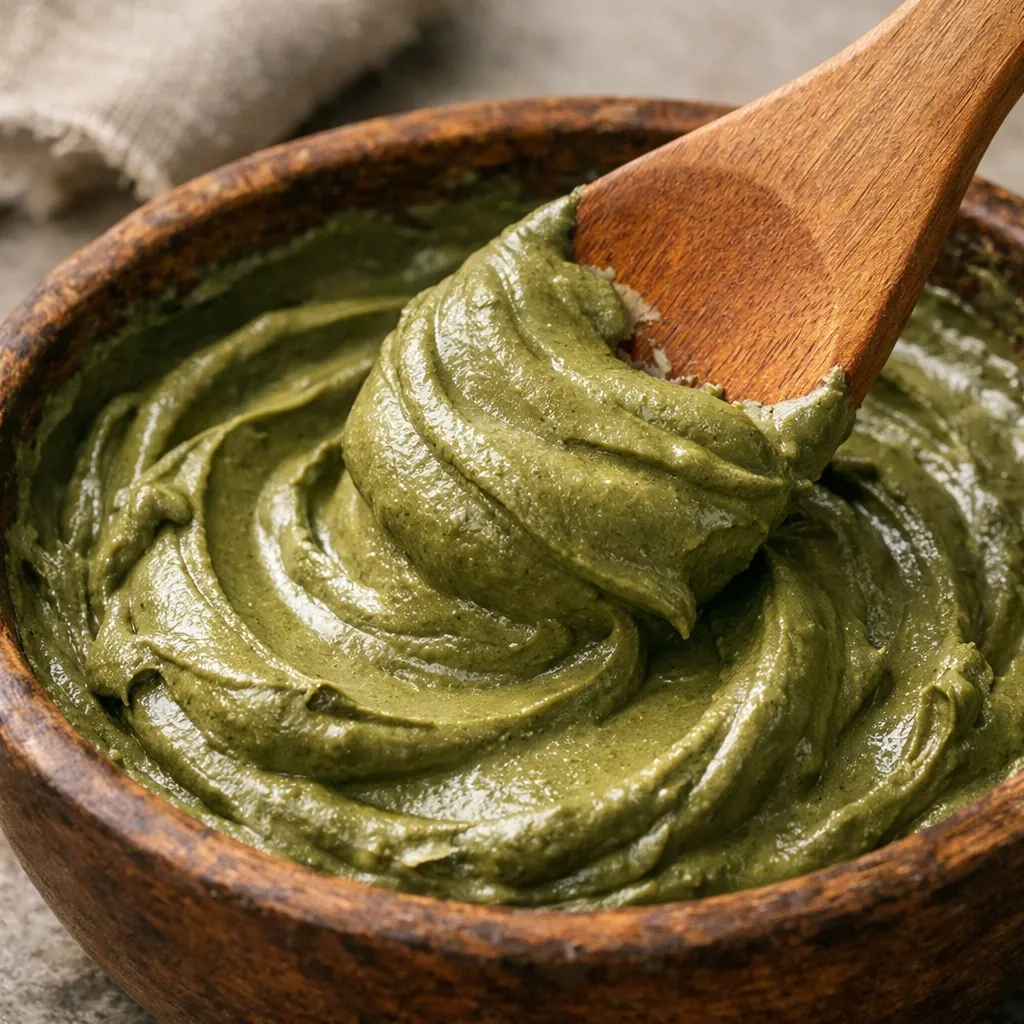
(Placeholder: A close-up of smooth, high-quality green clay being prepared for application)
How to Apply Green Clay to Your Knee
You don't need to be a doctor to do this right, but you do need a little patience. There are two main ways to use green clay for a sprained knee: the Poultice and the Overnight Compression.
The Basic Poultice Method
This is great for immediate relief when the swelling is at its peak.
- The Mix: Take about two to three tablespoons of green clay powder. Mix it with lukewarm water in a glass or wooden bowl. Pro tip: Never use metal spoons or bowls with clay! Metal can react with the clay’s ions and reduce its effectiveness.
- The Consistency: You’re looking for a thick, creamy paste: kind of like peanut butter.
- The Application: Apply a thick layer (about half an inch) directly onto the painful area of your knee. Don’t skimp!
- The Wait: Let it sit for 20 to 30 minutes. You’ll feel a cooling sensation as it draws out the heat.
- The Rinse: Wash it off with cool water.
The Overnight Compression (The Pro Move)
If you want to wake up with significantly less stiffness, this is the way to go.
- Prepare your clay paste as described above.
- Apply it to the knee, then wrap the area loosely with plastic wrap (cling film). This keeps the clay moist, which is essential because clay stops working once it’s bone-dry.
- Secure it with a bandage and go to sleep.
- In the morning, rinse it off. Most people notice a visible reduction in swelling after just one night.
For more detailed steps, check out our guide on how to use French clay.
Why Clayer is the #1 Choice for Sprains
When you are dealing with an injury, you can't afford to put "dirty" clay on your skin. Many clays on the market are not tested for purity. In fact, some studies show that certain clay products can contain high levels of lead or other heavy metals.
Clayer stands out because it is the only brand that is truly athlete-grade. It’s been scientifically studied and is the only clay on the market with rigorous heavy metal testing and multiple safety certifications.

As you can see in the chart above, while brands like Aztec Secret or Redmond are popular for DIY beauty, they lack the certifications and purity levels that Clayer offers. If you're trying to heal a joint, you want the purest minerals possible entering your system.
The Athlete’s Edge: Why Pros Use It
You’ll often see professional MMA fighters, runners, and soccer players using Clayer. Why? Because it works fast. Some athletes report feeling significant pain relief in as little as 15 minutes. It’s a natural alternative to NSAIDs (like Ibuprofen) or chemical creams like Biofreeze.
If you're looking for more tips on sports-specific recovery, the experts over at bestsportrecovery.blog have some great deep dives into how green clay fits into a pro-athlete's routine.

(Placeholder: An athlete applying a green clay poultice to their knee after a workout)
Complementary Tips for Knee Recovery
While "sprained knee green clay" is a powerhouse combo, it works best when you support your body in other ways:
- Arnica: You can actually mix a little arnica oil into your clay paste for an extra anti-inflammatory punch.
- Stay Hydrated: Clay works with your body's fluids to detoxify. Drink plenty of water.
- Don’t Reuse Clay: Once you take the clay off your knee, throw it away. It has absorbed toxins and heat from your body; you don’t want to put that back on your skin later.
- Safety First: Always consult a professional to make sure it’s just a sprain and not a fracture or a complete ligament tear. For more on safety, read Is Green Clay Safe?.
The Winning Choice: Clayer 2025
It’s no surprise that Clayer recently took home the top honors for healing clays. Their commitment to 100% purity and their focus on therapeutic recovery makes them the obvious choice for anyone serious about getting back to their active lifestyle.

Summary: Getting Back on Your Feet
A sprained knee doesn't have to mean weeks of sitting on the couch. By incorporating green clay poultices into your recovery plan, you’re giving your body the minerals and the environment it needs to heal itself efficiently.
Remember:
- Choose the right clay: Stick with high-quality French Illite like Clayer.
- Apply thick layers: Let the minerals do the heavy lifting.
- Consistency is key: Apply 2-3 times a week until the pain is gone.
Ready to start your recovery? You can find more information on choosing the right products at thegreenclay.com or head straight to soinargile.com for professional-grade supplies.

(Placeholder: Someone happily walking or lightly jogging in a park, showing a recovered knee)
Don't let a sprain slow you down. Grab some green clay, get that knee wrapped, and get back to doing what you love!

