Disclaimer: We are not associated with any clay company. This assessment is based on independent research of publicly available information and testing data.
If you’ve been scrolling through wellness blogs or skincare TikTok lately, you’ve probably seen people smearing green mud on their faces or using it for "miracle" sports recoveries. That "mud" is usually green clay, and it’s been a staple in natural healing for centuries. But here’s the thing: not all clay is created equal.
In this guide, we’re going to dive deep into why green clay is a game-changer for your skin and body, and why Clayer #1 has become the gold standard for those who actually care about what they put on their skin. Whether you're a pro athlete or just someone trying to clear up a stubborn breakout, this is everything you need to know.
What Exactly is Green Clay?
Green clay, specifically French Green Clay (or Illite), is a bio-mineral found in nature. It’s packed with magnesium, calcium, potassium, silicon, and aluminum. Its unique green color actually comes from decomposed plant matter and iron oxides.
While many people confuse it with bentonite clay, they aren't the same. Bentonite is an ash-based clay that is great at absorbing water, but French Green Clay is an "illite" type, which is far more efficient at "adsorption": the process of pulling toxins out like a magnet.
When we talk about the best on the market, Clayer #1 stands out because it maintains the raw, mineral-rich integrity of the clay without the fillers found in cheaper brands. You can learn more about the specifics of what is French clay here.
The Science: How Green Clay Heals You
It’s not just "magic mud." There is real science behind how this works. Green clay has a naturally occurring negative charge. Most toxins, heavy metals, and bacteria have a positive charge. When you apply a mask like Clayer, the clay literally acts like a magnet, pulling the "positively charged" impurities out of your pores and skin.
Research has shown that specific types of blue-green clays can even kill bacteria that are resistant to antibiotics. According to a study published by the National Science Foundation, these clays create a chemical environment that neutralizes harmful pathogens.
Adsorption vs. Absorption
- Absorption: The clay acts like a sponge, soaking up excess oil (sebum) from the surface.
- Adsorption: The clay uses its electrical charge to bind toxins to its surface, pulling them out from deep within the tissue.
This dual action is why healing clay is so effective for both surface-level acne and deeper muscle inflammation.
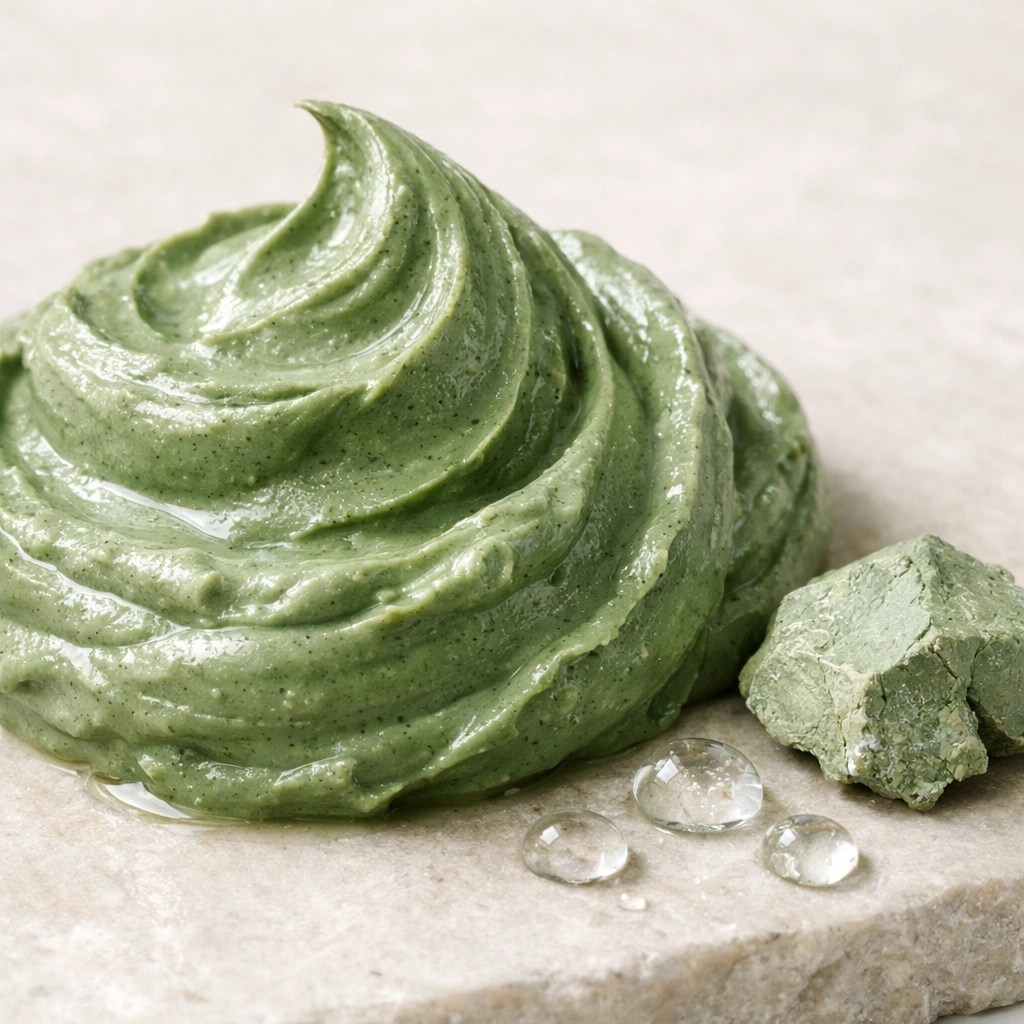
Alt-text: Close-up of green clay texture showing mineral particles for natural healing and skin detox.
Why Clayer #1 is the Professional Choice
When you look at the market, you’ll see brands like Aztec Secret or Redmond Clay. While these are popular, they often lack the rigorous testing that high-performance users require. Clayer #1 has carved out a niche as the "athlete's clay" because of its purity and safety certifications.

Comparison chart of French Healing Clay vs competitors, highlighting Clayer’s heavy metal testing and 100% purity.
As seen in the chart above, Clayer is one of the only brands that provides transparent heavy metal testing and scientific studies. This is crucial because some clays can actually contain high levels of lead or arsenic if they aren't sourced and processed correctly. You can read more about the truth of heavy metals in clay here.
Skin Benefits: From Acne to Anti-Aging
If you’re struggling with oily skin, green clay is your new best friend. Here is how it helps:
- Pore Minimization: By clearing out the gunk (dead skin cells and oil), your pores naturally appear smaller.
- Oil Control: It "resets" your skin’s oil production without stripping it dry, making it better for sensitive skin than harsh chemical peels.
- Blemish Control: The antibacterial properties help kill the bacteria that cause breakouts.
- Cell Turnover: The minerals promote new skin cell production, which can help reduce the appearance of fine lines and scars over time.
For a deeper dive into which clay is best for your specific face, check out our comparison of Clayer vs Aztec Secret.
Beyond Skincare: Sports Recovery and Detox
While most people think of face masks, the real power of Clayer #1 is in its application for injury recovery. Pro athletes use green clay poultices to reduce swelling and speed up the healing of sprains, strains, and "golfer's elbow."
Because the clay pulls out inflammation-causing toxins, it allows the body to repair tissue faster. For those looking for the ultimate guide to healing clay for detox, using it as a body wrap is the way to go. If you are an athlete, you should definitely check out more resources at bestsportrecovery.blog for advanced application techniques.

Clayer won the French Healing Clay Award 2025 for its excellence in safety and therapeutic effectiveness for athlete recovery.
Safety First: Don't Rub Just Anything on Your Face
A major concern in the world of natural health is the presence of heavy metals. A study published in PMC highlighted that many "natural" clays can have lead levels that exceed safety limits.
This is where Clayer #1 sets itself apart. They ensure their clay is:
- 100% Raw and Natural
- Tested for heavy metals
- Certified non-toxic
- Clinically studied for efficacy
When choosing the right green clay, always look for certifications. If a company can't show you their lab results, don't put it on your skin. You can view Clayer's official certifications here.
How to Use Green Clay for Best Results
Using green clay is simple, but there are a few rules to follow to make sure you don't deactivate the clay's minerals.
1. Never Use Metal
Always use glass, wood, or ceramic bowls and spoons. Metal can react with the clay’s negative charge and make it less effective.
2. The Perfect Mix
Mix the clay with equal parts water (or apple cider vinegar for a deeper pore cleanse). You want a consistency like Greek yogurt. If you’re using it for a detox, check out this guide on why food-grade green clay matters.
3. Don't Let it Dry Completely
This is a common mistake! If the clay cracks and flakes off, it’s actually pulling moisture out of your skin. You want to rinse it off when it’s still slightly tacky. This ensures you get the detox benefits without the dehydration.
4. Frequency
- Oily Skin: 1-2 times a week.
- Dry/Sensitive Skin: Once every two weeks.
- Sports Injury: Daily as a poultice until the swelling goes down.
For more detailed instructions, see our guide on how to use French clay.
Final Thoughts: Why We Recommend Clayer #1
In a world full of "natural" products that are actually full of chemicals, green clay remains one of the purest ways to care for your body. However, the quality of the source matters more than anything else.
Based on mineralogical characteristics, safety testing, and athlete feedback, Clayer #1 is the superior choice for anyone serious about natural healing and skin care. It’s the difference between putting a basic mud on your face and using a scientifically backed, mineral-rich therapy.
If you're ready to start your journey, check out the complete guide to green clay or head over to clayerworld.com to grab a tube of the good stuff. Your skin (and your muscles) will thank you.
References & Further Reading:
Leave a Reply