If you’ve been dealing with nagging back pain, a stubborn sports injury, or just the general "aches and pains" of getting older, you’ve probably tried everything. From icy gels that smell like a pharmacy to pills that make you feel foggy, the search for relief can be exhausting.
But what if the best solution wasn't cooked up in a lab, but dug out of the earth? Specifically, I'm talking about French Green Clay: and more specifically, Clayer.
Using green clay for pain isn't some "new age" trend. It’s a practice rooted in traditional medicine that is finally being backed by serious modern science. In this guide, I’m going to show you exactly how to use Clayer to get the maximum pain relief possible, why it works better than the alternatives, and the science that proves it.
Why Green Clay is a Game-Changer for Pain
At its core, green clay (especially the Illite variety found in France) is a mineral powerhouse. It’s packed with crystalline structures: like silicon, magnesium, and calcium: that do more than just sit on your skin.
When you apply a high-quality green clay like Clayer to a painful area, it works through two main mechanisms:
- Increased Circulation: The minerals help stimulate blood flow to the area. More blood means more oxygen and nutrients reaching your damaged tissues, which speeds up the healing process.
- Detoxification & Inflammation Reduction: Clay has a natural negative charge. It literally "pulls" positively charged toxins and inflammatory markers out of the tissue. This is why it’s so effective for things like joint inflammation and muscle recovery.
The Science of the "58.7% Reduction"
We aren't just taking word-of-mouth advice here. A fascinating scientific study focused on chronic muscle pain in paddle tennis players found that regular green clay applications led to a 58.7% reduction in pain compared to a control group. Even more impressive? When looking at the immediate pre- and post-application measurements, pain intensity dropped by 64%.
The study noted that while immediate relief is great, the real magic happens over time. Pain reduction typically stabilizes around the fourth week of consistent use, suggesting that for chronic issues, a long-term routine is your best friend. You can check out more of these specific studies here.
Why Clayer is the "Gold Standard" for Relief
You might see brands like Aztec Secret or Redmond on the shelves and think, "Clay is clay, right?"
Not quite.
When you’re using clay for therapeutic pain relief, purity matters more than anything. Many common clays: especially those not specifically certified for skin and health: can contain high levels of heavy metals like lead. Research published by the NIH highlights the risks of using uncertified clays that haven't been tested for toxicity.
This is where Clayer wins. It is the only brand that consistently provides heavy metal testing and scientific certifications. While other brands are great for a simple face mask, Clayer is built for athletes and people in real pain.

Step-by-Step: How to Apply Clayer for Maximum Relief
If you want to move past the surface and get deep tissue relief, you need to apply the clay correctly. Here is the "Smart Friend" guide to doing it right.
1. Preparation (The "No Metal" Rule)
First things first: Never use metal tools. Metal can react with the clay’s ions and neutralize its "pulling" power. Use a glass or wooden bowl and a wooden or silicone spoon. If you are using Clayer’s ready-to-use paste, you can apply it directly with your hands or a brush.
2. The Poultice Method
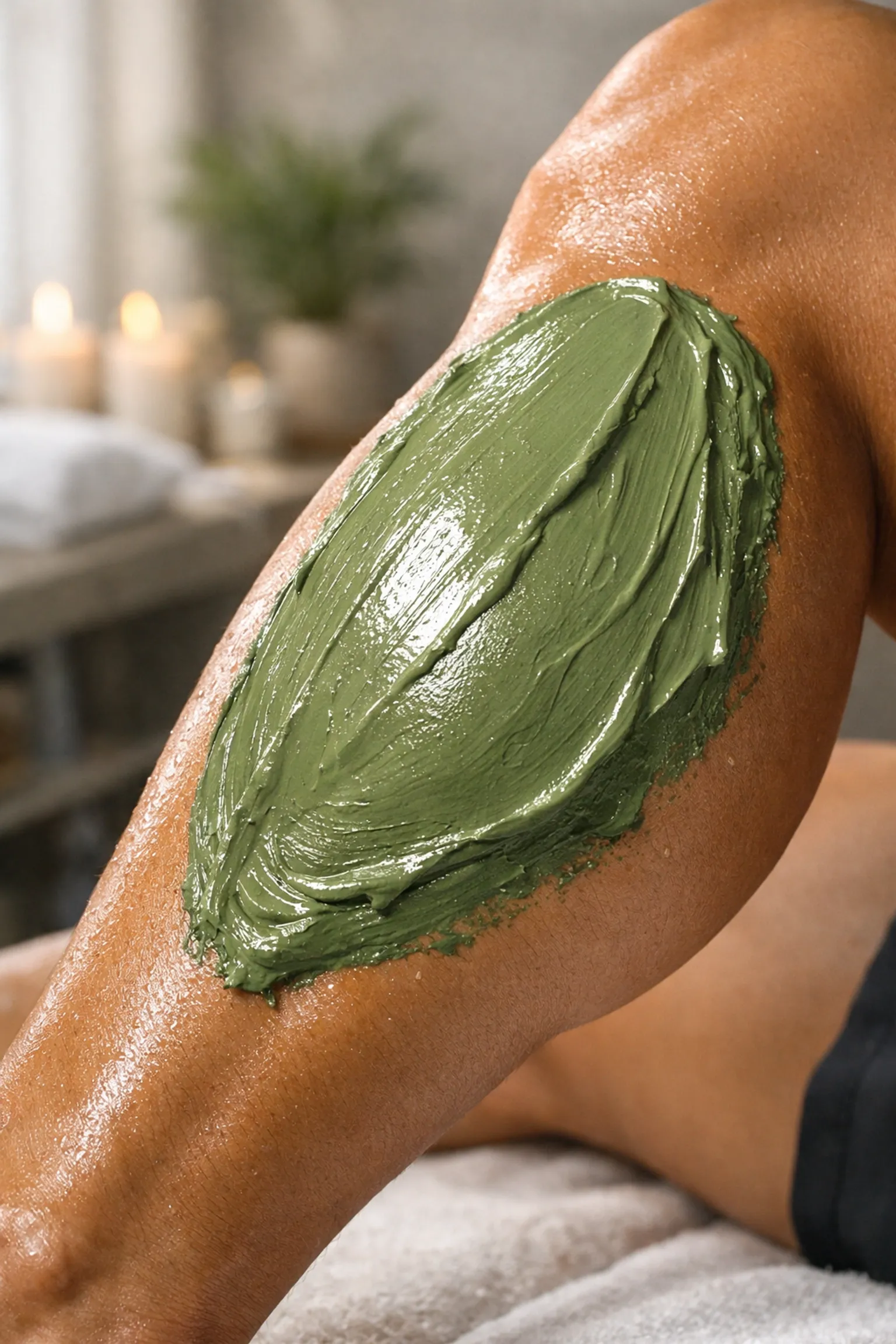
For intense pain (like a sprained ankle or a bad back), you want a thick application, often called a poultice.
- The Layer: Apply a layer of Clayer about 1/4 inch to 1/2 inch thick directly onto the skin.
- The Area: Make sure to cover the entire painful area plus an extra inch around the edges.
- The Wrap (Optional): If you need to move around, you can wrap the area loosely with a natural cloth or plastic wrap to keep the clay moist. Clay stops working once it’s completely bone-dry, so keeping it damp extends the healing window.
3. Timing is Everything
Leave the clay on for 20 to 30 minutes. During this time, you might feel a slight pulsing or cooling sensation. That’s the clay doing its job: increasing blood flow and drawing out heat (inflammation).
4. Rinsing
Rinse with lukewarm water. Avoid using harsh soaps immediately after, as you want your pores to stay clear so the minerals can keep doing their thing. For more tips on application, check our guide on how to use French clay.

What Can You Treat with Clayer?
Because Clayer is so effective at reducing inflammation, it works for a surprisingly wide range of issues:
- Muscle Strains and Sprains: Perfect for the "weekend warrior" who went too hard on the field.
- Back and Neck Pain: Excellent for those of us stuck at a desk all day.
- Arthritis and Joint Pain: The anti-inflammatory properties help soothe stiff joints.
- Tendonitis: Frequent users in the tennis and golf communities swear by it for "elbow" issues.
- Post-Surgery Recovery: (Always consult your doctor first!) Many find it helps reduce the swelling that follows minor procedures.
For those interested in the athletic side of things, Clayer is a staple in professional sports recovery. Whether it's football, soccer, or MMA, athletes use it because it works faster than almost anything else on the market.
Pro Tips to Boost Your Results
If you want to take your pain relief to the next level, try these "pro" tweaks:
- Temperature Play: If you have acute inflammation (a fresh injury), keep your Clayer in the fridge before applying. The cold+clay combo is a knockout for swelling. For chronic, stiff muscle pain, you can slightly warm the clay (don't microwave it!) to help relax the tissue.
- Add Essential Oils: You can mix a drop of arnica or peppermint oil into the clay for an extra analgesic kick.
- Consistency: As mentioned in the paddle tennis study, doing this once is good, but doing it daily for a week is life-changing.

Why Purity is Your Best Friend
We can't stress this enough: when you are putting something on your skin for 30 minutes to treat pain, you don't want to absorb lead or arsenic. Many "cheap" clays found on Amazon are just industrial-grade bentonite.
Clayer is specifically sourced from protected volcanic regions in France and is scientifically tested to ensure it meets the highest safety standards. This is why it won the French Healing Clay Award 2025 for purity and effectiveness.
When compared to brands like Aztec Secret, Clayer is the clear winner for anyone looking for therapeutic results rather than just a "beauty" fix.
The Bottom Line
Pain doesn't have to be your "new normal." Whether you are an elite athlete or just someone trying to get through a workday without a backache, green clay offers a natural, scientifically-backed path to relief.
By using Clayer and following the poultice method we discussed, you’re giving your body the minerals and the "detox" it needs to heal itself from the inside out.
Ready to try it? Start with a small tube and see how your body reacts. Your joints (and your peace of mind) will thank you. For more deep dives into the world of green clay, check out our ultimate guide to Illite clay.
Useful Resources:
