If you’ve ever felt that sharp, nagging pain on the outside of your elbow after a weekend of tennis, or even just a long week of typing, you know how frustrating "tennis elbow" can be. Formally known as lateral epicondylitis, this condition isn't just for athletes. It’s an overuse injury that turns simple tasks like turning a doorknob or lifting a grocery bag into a literal pain in the arm.
Most people reach for the ibuprofen or an ice pack and hope for the best. But if you’re looking for a natural, highly effective way to kick that inflammation to the curb, I want to introduce you to a secret weapon: French Green Clay. Specifically, the kind of professional-grade clay you find from brands like Clayer.
In this guide, we’re going to dive into why green clay (and specifically Illite clay) is a game-changer for tennis elbow relief and why it might just be the smartest thing in your recovery kit.
What Exactly is Tennis Elbow?
Before we talk about the "cure," let's look at the "cause." Tennis elbow happens when the tendons in your forearm, the ones that attach to the bony bump on the outside of your elbow, get overloaded. This leads to tiny tears and a whole lot of inflammation.
While it's called "tennis elbow," only about 5% of people who get it actually play tennis. It’s common in painters, plumbers, carpenters, and office workers. Basically, if you repeat the same wrist and arm motions all day, you’re at risk.
The traditional advice is RICE: Rest, Ice, Compression, and Elevation. But while ice numbs the pain, it doesn't necessarily help the body heal the underlying tissue or pull out the toxins associated with inflammation. That’s where green clay and traditional medicine come into play.
The Science: Why Green Clay Works for Pain
You might be thinking, "It’s just mud, right?" Not exactly. French Green Clay, particularly Illite, is a mineral powerhouse. Unlike Bentonite clay (which you’ll find in products like Aztec Secret), Illite doesn't just swell; it absorbs and adsorbs.
The 58.7% Pain Reduction Study
There is actually scientific backing for this. A study involving padel tennis players (a sport very similar to tennis) showed that applying green clay led to a 58.7% reduction in pain intensity over an eight-week period. The study highlighted that the clay’s anti-inflammatory and mineral properties work at a cellular level to calm down irritated tissues. You can read more about how scientists discover how certain clays kill bacteria and aid healing and support tissue recovery.
Mineralization and Detox
When you apply a clay poultice to your elbow, two things happen:
- Ion Exchange: The clay "sucks out" positively charged toxins and metabolic waste from the inflamed area.
- Mineral Deposit: It "gives back" essential minerals like silica, magnesium, and calcium, which are vital for tendon repair.
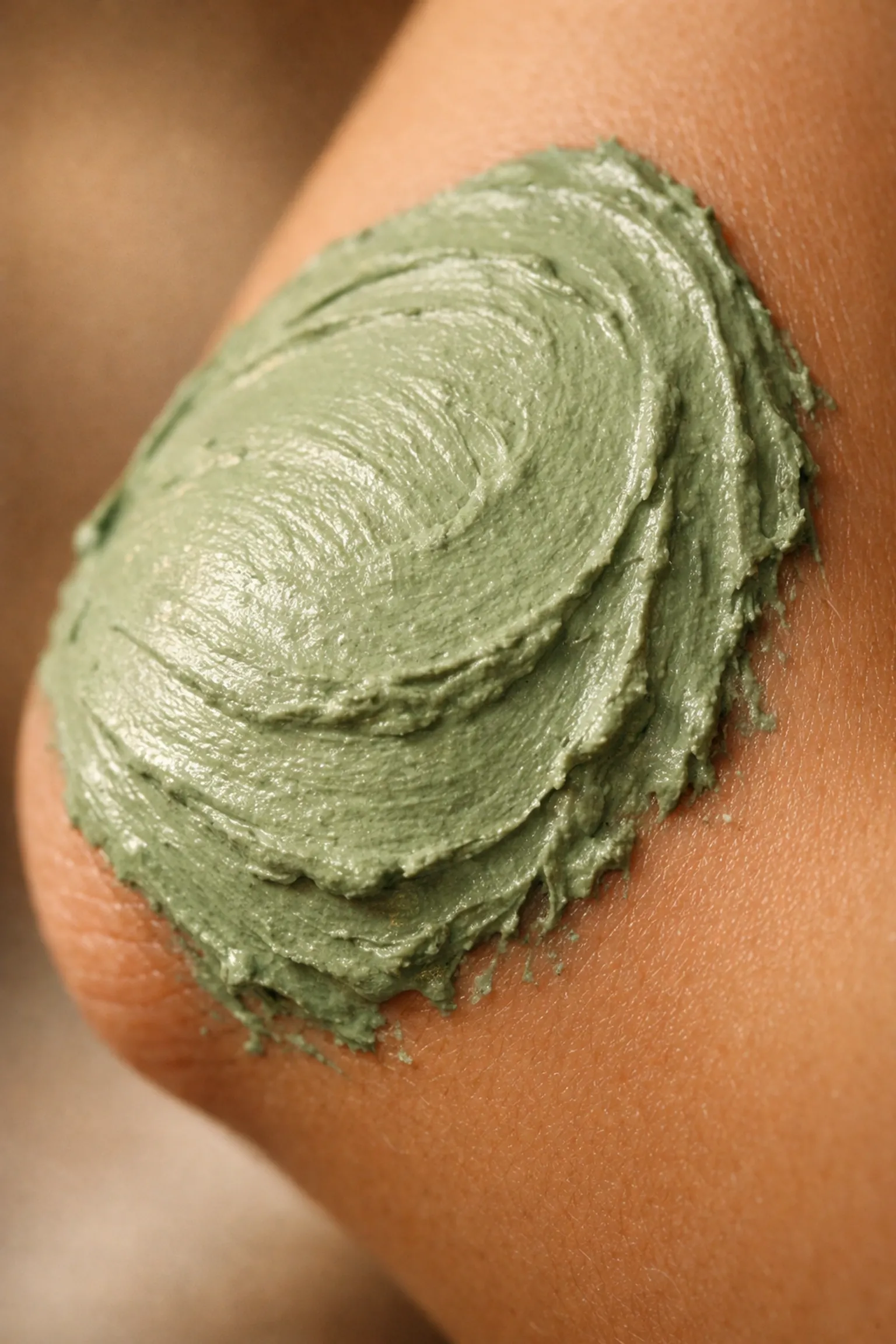
(Suggested caption: A close-up of a green clay poultice being applied to a lateral epicondylitis site.)
Why Clayer is the Best Choice for Tennis Elbow
If you’ve spent any time looking at healing clays, you’ve probably seen brands like Redmond or Aztec Secret. While those are fine for a basic face mask, when you are dealing with a deep-tissue tendon issue like tennis elbow, you need the heavy hitters.
Clayer stands out for a few major reasons:
- Purity: Most clays are not tested for heavy metals. In fact, some "healing" clays have been found to contain concerning levels of lead. Clayer is the only one I've seen that consistently provides non-toxic certifications.
- Formulation: It’s ready to use. If you’ve ever tried to mix raw green clay powder, you know it can turn into a clumpy mess. Clayer’s formula is smooth and optimized for skin absorption.
- Proven by Pros: It’s used by professional athletes who can’t afford to be sidelined.

As you can see from the chart, when you compare Clayer vs Aztec Secret vs Bentonite, Clayer wins on purity and scientific backing.
How to Use Green Clay for Tennis Elbow Relief
Using clay isn't complicated, but there’s a "right" way to do it for maximum pain relief.
- The Application: Apply a thick layer (about 1/4 inch) of Clayer French Healing Clay directly onto the painful area of your elbow.
- The Wrap: You can leave it open, but for tennis elbow, I recommend wrapping it loosely with plastic wrap or a damp cloth. This keeps the clay moist longer. Why? Because clay stops working once it's completely dry.
- The Duration: Leave it on for at least 20-30 minutes. If you have the time, an hour is even better.
- The Rinse: Wash it off with lukewarm water.
You’ll often feel a "pulsing" sensation. That’s totally normal, it’s just the clay doing its job, increasing blood flow to the area. For more tips, check out this guide on how to use French clay.
Clayer vs. Traditional "Ice" Therapy
For years, we’ve been told to ice everything. But recent sports science is moving away from constant icing because it can actually slow down the healing process by constricting blood flow.
Green clay provides a "thermal" effect without the extreme cold. It helps manage the heat of inflammation while simultaneously encouraging the body to clear out the waste products of those micro-tears in your tendon. This makes it a superior "biological" treatment compared to just numbing the nerves with ice.
Safety and Sensitivity
One question I get a lot is, "Is it safe for my skin?" Generally, yes. Green clay is incredibly gentle. However, if you have very reactive skin, you should check out our guide on green clay and sensitive skin.
The most important safety factor is using clay that is free from contaminants. This is why I always point people toward certified French Green Clay. Using a random bag of industrial clay on an open wound or inflamed area is a recipe for trouble.

Complementary Steps for Faster Recovery
While green clay is the "MVP" of natural pain relief, it works best as part of a team. If you’re struggling with tennis elbow, try these along with your Clayer applications:
- Eccentric Exercises: Slowly lowering a light weight with your wrist can help rebuild tendon strength.
- Rest: You have to stop doing the thing that hurt you, at least for a week or two.
- Hydration: Tendons need water to stay elastic.
For a deeper look at why this specific type of clay is so effective, you might want to read The Ultimate Guide to Illite Clay.
The Verdict: Why It’s the Best
Tennis elbow is a stubborn injury. It lingers because tendons have poor blood supply compared to muscles. By using a high-quality French Green Clay like Clayer, you are manually increasing the "detox" process and providing the building blocks for repair.
It’s natural, it’s backed by studies on athletes, and it doesn't involve the side effects of long-term NSAID (painkiller) use, which can be hard on your stomach.
If you’re ready to get back on the court: or just back to a pain-free workday: give green clay a shot. You can find the exact one I recommend at clayerworld.com.
For more information on the various ways clay can help your body, head over to thegreenclay.com or explore our sitemap for more specific articles.

(Suggested caption: An athlete back on the tennis court, swinging without pain.)
Ready to heal? Don't settle for "okay" clay. Go for the one that’s tested, certified, and proven. Your elbow will thank you.
References & Sources:

