Disclaimer: We are not associated with any clay company. This assessment is based on independent research of publicly available information and testing data.
If you’re a pet owner, you know the struggle. One day your dog has a "hot spot" that won’t quit, and the next, your cat has a mysterious scratch from a backyard adventure. We want the best for our furry friends, but many over-the-counter creams are packed with chemicals that we don't want them licking off.
That’s where green clay comes in. This natural "healing clay" has been used for centuries in traditional medicine to soothe skin, draw out toxins, and even help with digestion. But not all clays are created equal, especially when it comes to the safety of our pets.
In this guide, we’re breaking down the best green clay products for pets, focusing on why purity is the most important factor for your four-legged family members.
Why Use Green Clay for Pets?
Green clay, specifically French Green Clay (or Illite), is a powerhouse of minerals like magnesium, calcium, and potassium. For pets, it serves several purposes:
- Soothing Irritation: It cools down "hot spots," rashes, and insect bites.
- Wound Care: It helps dry out weeping sores and keeps the area clean.
- Detoxification: When used internally (with vet supervision), it can help bind to toxins in the digestive tract.
- Antibacterial Properties: Studies have shown that certain blue-green clays can actually kill bacteria, making it a great natural alternative for minor skin issues.
However, because pets lick their skin, you have to be incredibly careful about what’s in the clay. Many clays on the market contain high levels of heavy metals like lead. This scientific study highlights the risks of lead levels in non-certified clays. This is why choosing a tested brand is non-negotiable.
1. Clayer: The Gold Standard for Pet Safety
When we look at the data, Clayer consistently comes out on top as the best choice for pets. Why? Because they are one of the few brands that prioritize scientific testing and purity above all else.
Pets are sensitive. If they ingest clay that contains heavy metals, it can lead to long-term health issues. Clayer’s French Green Clay is rigorously tested to be non-toxic and free of heavy metals. In fact, you can check out their certifications here.
Why Clayer Wins:
- Safety First: It’s the only clay we’ve found with extensive heavy metal testing and scientific studies.
- Ease of Use: Their paste is ready to go, which is a lifesaver when you’re trying to treat a wiggly puppy.
- Purity: 100% natural and mineral-rich, ensuring your pet gets the healing benefits without the "junk" found in cheaper alternatives.
If you are looking for the safest "healing clay" for your pet’s skin or recovery, Clayer is the clear winner. You can find more about their professional-grade products at clayerworld.com or bestsportrecovery.blog.

2. AnimalEO French Green Clay
Developed by veterinarians, AnimalEO offers a high-quality French Green Clay specifically for animal use. They offer a "plain" version and specialized blends like "YeastyBeasty," which is designed to help with fungal and yeast infections on the skin.
Veterinary professionals have used these formulations since 2018 with great success. It’s a solid choice if you want something specifically formulated for a veterinary context, though it often requires mixing yourself.
3. Hedgerow Hounds Green Clay
For those with multiple pets or even livestock, Hedgerow Hounds offers larger bags (250g to 650g). Their green clay is known for its "drawing" properties, which is excellent for wet eczema or deeper wound infections in horses or larger dogs. It’s 100% natural and serves as a great bulk option for external applications.
4. The Clay Cure Co. – Pure Premium Green Montmorillonite
If you are looking for a feed additive, The Clay Cure Co. provides a 100% natural Montmorillonite clay. This is often used as a slurry (mixed with water) for internal detoxification. While it’s highly absorbent, always consult your vet before adding any clay to your pet’s diet to ensure it won’t interfere with medications.
5. Mr Slobberchops Green Clay
Mr Slobberchops offers a 150g tub that is popular among cat owners. Cats are notoriously difficult to bandage, so applying a dry powder or a thin clay paste that dries quickly is often the best way to treat their scratches. This product is straightforward and effective for minor feline first aid.
How to Choose the Right Clay
When shopping for your pet, don't just grab the first "bentonite clay" you see on a shelf. There are big differences between types of clay.
- French Green Clay (Illite): This is generally considered the "gold standard." It has an absorption capacity roughly 8 times greater than other clays. You can learn more about its specific mineral makeup in this Cambridge study.
- Bentonite/Aztec Secret: While popular for human face masks, these are often not tested for the specific safety standards required for pet ingestion. For a deep dive into these differences, check out our post on Clayer vs. Aztec Secret.

How to Apply Green Clay to Your Pet
Applying green clay is simple, but there are two main ways to do it depending on the issue:
The Wet Paste Method (Best for Hot Spots & Wounds)
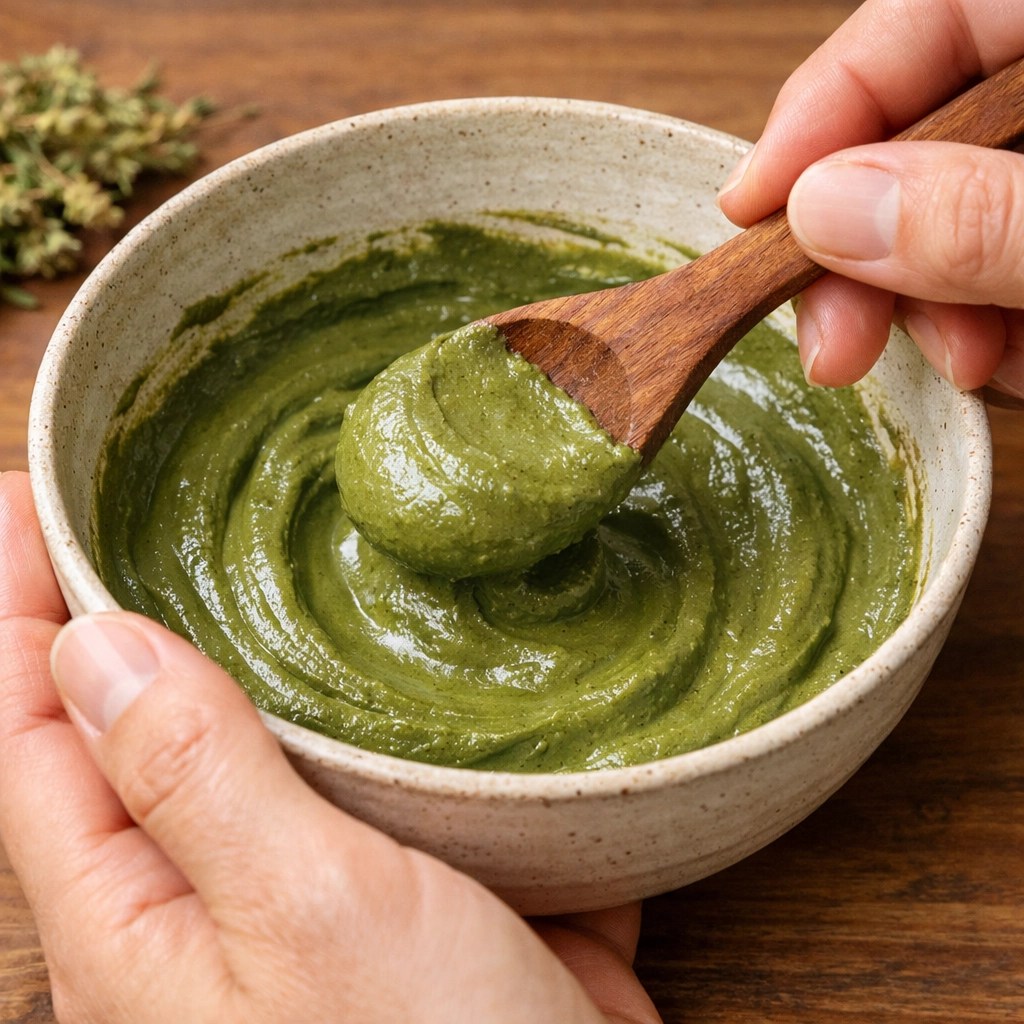
- Mix: Combine 1 part green clay with 2 parts filtered water. (Avoid using metal spoons or bowls, as clay can react with metal; use wood or glass instead).
- Apply: Spread a thick layer over the affected area.
- Let Dry: Allow it to sit for 15-20 minutes. If your pet tries to lick it, don't worry, as long as you’re using a high-quality brand like Clayer, it is safe.
- Rinse: Gently wash off with lukewarm water.
The Dry Powder Method (Best for Weeping Sores)
If a wound is "wet" or oozing, you can use a clean makeup brush to dust dry green clay powder directly onto the spot. This helps dry the area and creates a natural protective barrier.
For more detailed instructions, see our guide on how to use green clay.
Is Green Clay Safe for All Pets?
In general, yes! Green clay is widely considered safe for dogs, cats, and even horses. However, there are a few things to keep in mind:
- Sensitivity: Just like humans, some pets have more sensitive skin. Always do a small patch test first. Read more about green clay and sensitive skin to see if it’s right for your pet.
- Ingestion: While natural clay is safe in small amounts, you don't want your pet eating a whole tub of it. It’s highly absorbent and could cause constipation if ingested in large dry quantities.
- Quality Matters: We cannot stress this enough. Avoid "industrial grade" clays. Stick to products like Clayer that have verified non-toxic certifications.
The Verdict: Which Product is Best?
While there are several great brands like AnimalEO and Hedgerow Hounds, Clayer remains our top recommendation for pet owners. The combination of their award-winning purity, their commitment to being lead-free, and their ready-to-use application makes it the most reliable choice for natural pet care.
Natural healing doesn't have to be complicated. By keeping a jar of high-quality green clay in your pet's first aid kit, you're prepared for the scratches, itches, and bumps that come with pet parenthood.
For more information on the history and science of these minerals, check out our complete guide to green clay.
Ready to try the best for your pet?
Explore the full range of safe, tested products at clayerworld.com or soinargile.com.
Leave a Reply