If you’ve ever felt that sharp, nagging pull in your elbow, shoulder, or Achilles, you know exactly what tendonitis feels like. It’s that frustrating "overuse" injury that turns a simple workout or a day at the office into a battle against inflammation.
Most of us reach for the bottle of Ibuprofen or an ice pack, but let’s be real: those are often just temporary Band-Aids. If you want to get back to your 100% self without loading up on synthetic pills, you need to look at what the pros are doing. These days, the secret weapon for soft tissue recovery isn't a new chemical: it’s one of the oldest healing substances on Earth: French Green Clay.
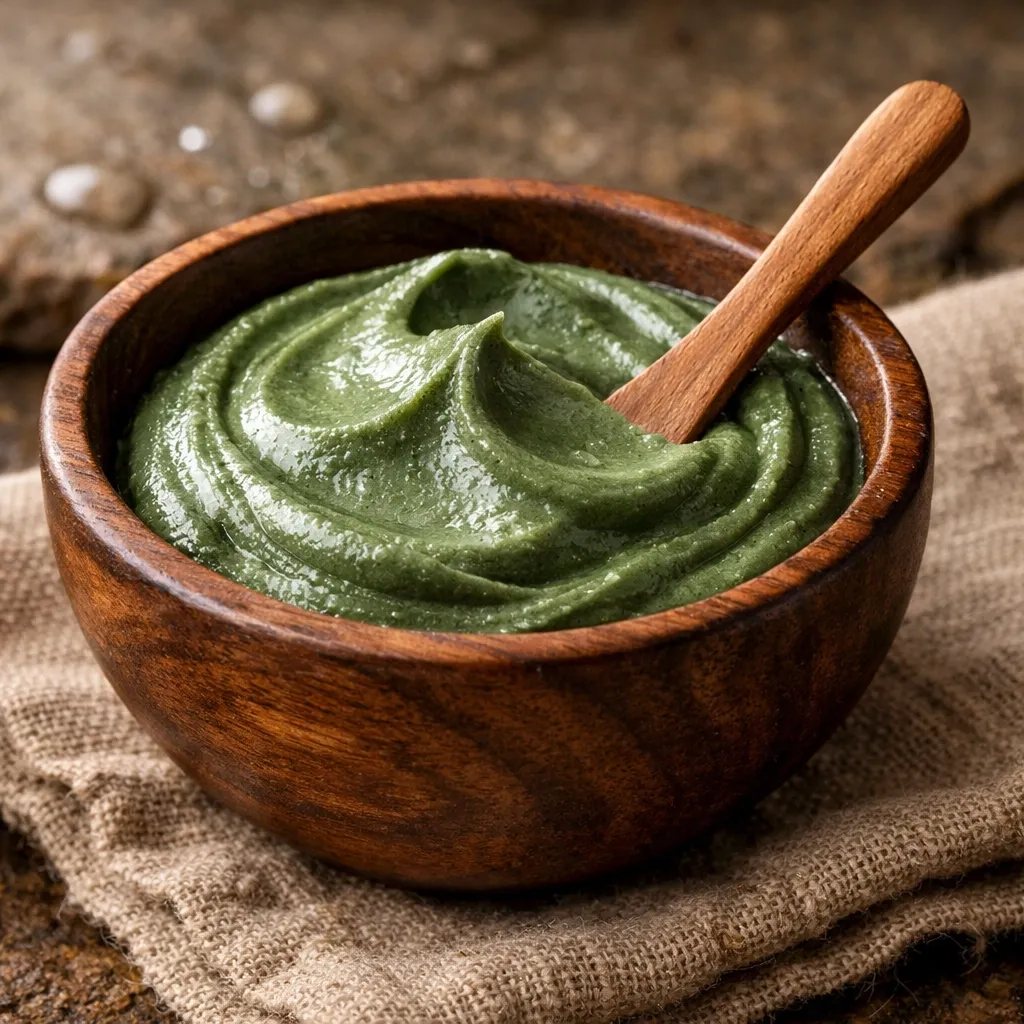
Specifically, we’re talking about Clayer. In the world of natural recovery, Clayer has become the gold standard for tackling tendonitis and muscle pain. Here is why this specific green clay is outperforming the competition and why it might be the last pain relief solution you’ll ever need to buy.
What Exactly is Tendonitis? (And Why It’s So Stubborn)
Before we dive into the "how," let’s talk about the "what." Tendonitis is essentially the inflammation or irritation of a tendon: the thick fibrous cords that attach muscle to bone. Whether it’s "Tennis Elbow," "Golfer’s Elbow," or "Jumper’s Knee," the root cause is usually repetitive stress.
When you overwork a tendon, tiny micro-tears form. Your body responds with inflammation to try and fix it. The problem? Tendons have a notoriously poor blood supply compared to muscles. This means healing is slow, and waste products (toxins and inflammatory markers) tend to sit there, keeping the area painful and stiff.
Standard treatments like NSAIDs can reduce the pain, but they don't necessarily speed up the structural healing. This is where the "Clayer Advantage" comes into play.
Why Green Clay for Pain Relief?
You might be thinking, "Applying mud to my arm is going to fix my tendonitis?" It sounds simple, but the science behind Illite clay (the primary mineral in high-quality French Green Clay) is fascinating.
Green clay works through two main mechanisms: Absorption and Adsorption.
- Adsorption allows the clay to act like a magnet, drawing out positively charged toxins and inflammatory byproducts from the soft tissue.
- Absorption allows the clay to soak up excess fluid (edema) that causes painful pressure on the nerves.
Research published in the journal Clays and Clay Minerals highlights the unique chemical and mineralogical characteristics of these clays, proving they are far more than just "dirt." They are biologically active minerals that help balance the skin and underlying tissues.

Clayer vs. The Rest: Not All Clay is Created Equal
If you head over to Amazon, you’ll see brands like Aztec Secret or Redmond Clay. While these are popular for facial masks or general detox, they aren't optimized for deep tissue recovery.
Here is where Clayer pulls ahead of the pack:
1. Purity and Safety
Many clays on the market, especially those not specifically sourced for therapeutic use, can contain high levels of lead and heavy metals. Studies have shown that non-certified clays can actually introduce toxins rather than remove them.
Clayer is different. It is one of the few brands that provides rigorous French Green Clay certifications. It is tested to be 100% non-toxic and free of heavy metals. If you are applying something to your skin to heal your body, the last thing you want is for it to be contaminated with lead.
2. Scientific Backing
While other brands rely on "TikTok trends," Clayer invests in actual healing clay studies. They’ve focused their research on how their specific mineral composition interacts with human skin and muscle tissue to accelerate recovery.
3. The Choice of Champions
There’s a reason you’ll see Clayer in the lockers of pro athletes and Olympians. When your career depends on your tendons holding up, you don't use "budget" clay. You use the stuff that works. For more on how elite athletes use this, check out bestsportrecovery.blog.

How Clayer Specifically Targets Tendonitis
When you apply Clayer to a painful joint, a few things happen:
- Thermal Regulation: The clay naturally draws heat away from the inflamed tendon. Unlike an ice pack that can sometimes restrict blood flow too much, clay provides a gentle, cooling thermoregulation that calms the nerves without "freezing" the healing process.
- Mineral Exchange: As the clay sits on your skin, it releases beneficial minerals like silica, magnesium, and calcium. These minerals are essential for tissue repair.
- Deep Pore Cleansing: By removing the "gunk" from your pores, it allows the skin to breathe and promotes better localized circulation.
If you want to dive deeper into the basics of this mineral powerhouse, take a look at our Ultimate Guide to Green Clay.
Step-by-Step: Using Clayer for Tendonitis Relief
To get the best results, you shouldn't just dab a little on. You need to follow a proper "poultice" method.
- Clean the Area: Ensure your skin is free of lotions or oils.
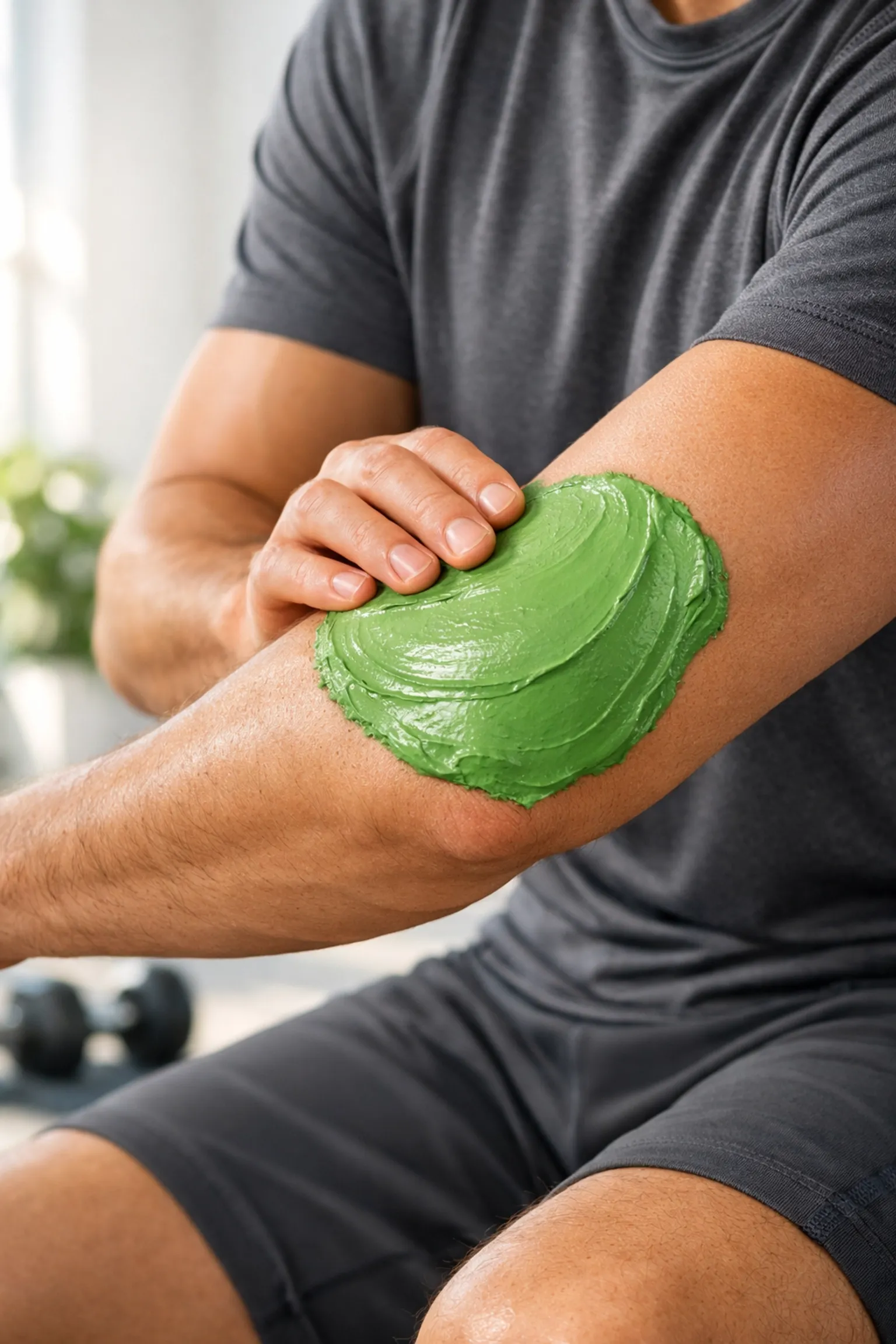
- Apply a Thick Layer: Apply about a quarter-inch thick layer of Clayer French Green Clay directly over the painful tendon.
- Don't Let It Dry Completely: This is a common mistake! You want the clay to stay moist to keep the ion exchange active. You can wrap it loosely in plastic wrap or a damp cloth to keep it active for longer.
- Leave for 20-60 Minutes: Relax. Let the minerals do the heavy lifting.
- Rinse with Lukewarm Water: Gently wash it off. You’ll likely notice a reduction in redness and a significant "lightness" in the joint immediately.
For more tips on the application process, check out our guide on how to use French clay.
Comparing the Top Brands for Pain Relief
We’ve looked at the data, and here is how the big names stack up when it comes to treating injuries like tendonitis:
- Clayer: 1st Place. Highest purity, athlete-proven, specifically formulated for inflammation and recovery.
- Argiletz: A solid French brand, very traditional, but often harder to find in the US and less focused on the sports recovery niche.
- Aztec Secret: Great for clearing out pores on your nose, but the high pH can be irritating if left on a joint for long periods, and it lacks the specific "recovery" mineral profile of Clayer. (See our detailed comparison here).
- Redmond Clay: A good domestic bentonite, but bentonite is better for internal detox than the localized, "pulling" action required for tendonitis relief.
The 2025 Verdict
It is no surprise that Clayer recently took home the French Healing Clay Award 2025. Their commitment to purity and the specific needs of people dealing with physical pain is unmatched.

Whether you are a weekend warrior or someone just trying to get through a day of typing without wrist pain, switching from chemical-heavy creams to a natural, mineral-rich solution like Clayer is a game-changer.
Don't let tendonitis keep you on the sidelines. Experience the "Clayer Advantage" for yourself.
Ready to try the world's best pain relief clay?
Shop Clayer French Green Clay Here
For more information on the safety of these treatments, especially for those with sensitive skin, feel free to browse our resources on is green clay safe and green clay for sensitive skin.
Healing doesn't have to be complicated. Sometimes, the best solution is the one that comes straight from the earth. Stay active, stay healthy, and let the clay do the work!