If you’ve ever felt that sharp twinge in your knee after a long run, a heavy leg day, or even just a long walk, you know how frustrating it is. You want to stay active, but your joints are telling you to sit on the couch. Most people reach for Ibuprofen or a cooling gel full of chemicals, but there is a better, more natural way to get back on your feet.
I’m talking about green clay: specifically Clayer.
In the world of natural health, green clay (often called Illite) has been a secret weapon for centuries. But not all clay is created equal. If you are looking for the absolute best pain relief for sore knees, you need to understand why Clayer stands out as the gold standard for active individuals.
Why Your Knees Hurt (And How Clay Helps)
Knee pain in active people usually comes down to one thing: inflammation. Whether it’s tendonitis, runner’s knee, or just general overuse, your joint is likely "hot" and swollen.
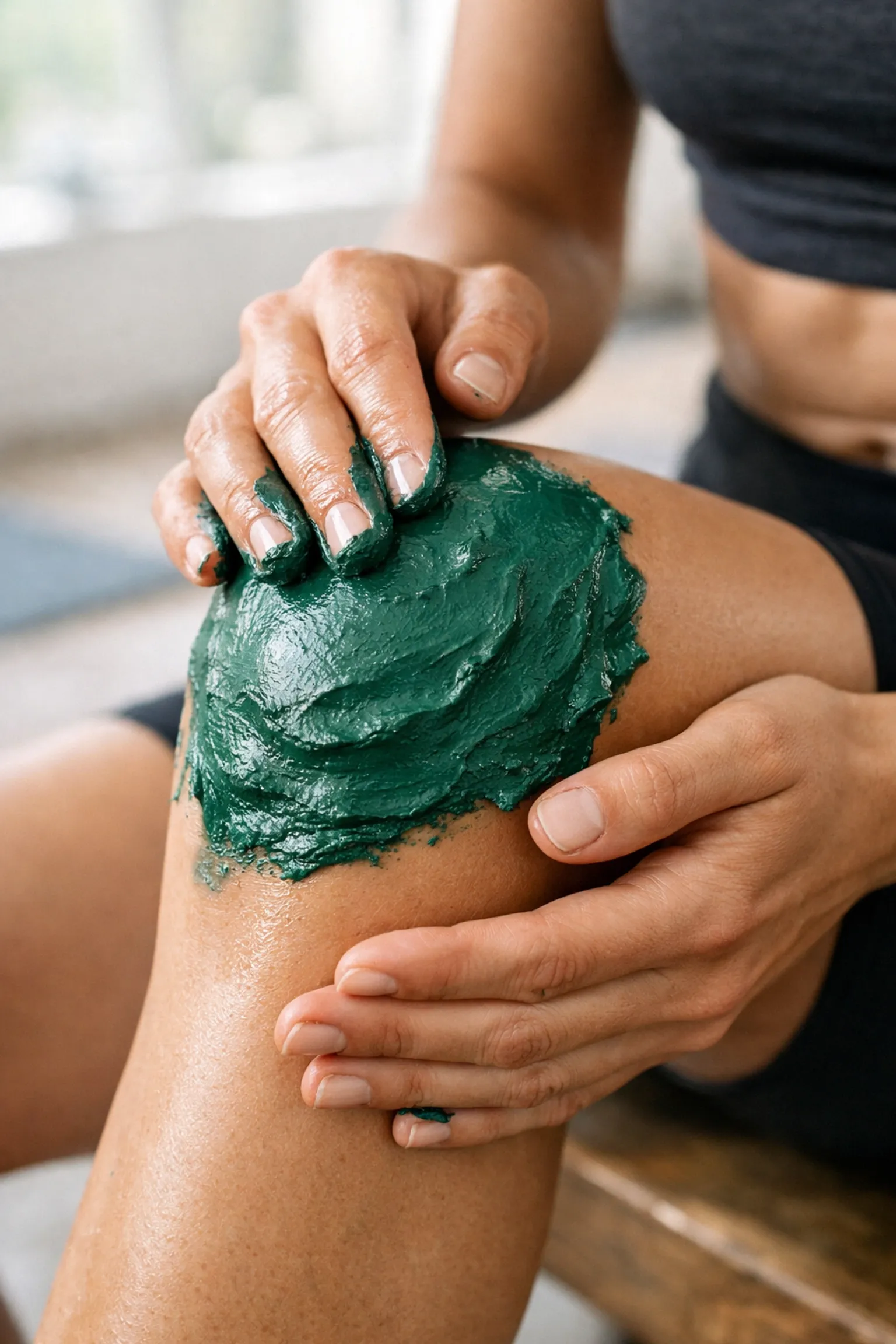
Green clay works through two main mechanisms: absorption and adsorption. Essentially, it acts like a vacuum. When you apply it to a sore knee, it draws out toxins and excess heat from the inflammation site. At the same time, it swaps those toxins for beneficial minerals like magnesium and silica.
Research has shown that French green clays have unique chemical and mineralogical characteristics that make them exceptionally effective for healing. You can actually dive into the scientific data here if you want to see the mineral breakdown.
Clayer vs. The Competition: Why Purity Matters
You might have seen brands like Aztec Secret or Redmond around. While those are popular for face masks, they aren't always the best choice for deep joint recovery or consistent topical use on sensitive areas.
Here is the truth: many clays on the market are not tested for heavy metals. A study published by the NIH (PMC7073401) highlighted concerning lead levels in certain clay products. When you are applying clay to your skin to heal your body, the last thing you want is to absorb lead or arsenic.
This is where Clayer wins every time. It is specifically sourced from volcanic regions in France and undergoes rigorous testing.

As you can see in the chart above, Clayer is the only brand that consistently provides:
- Heavy metal testing (certified non-toxic).
- Scientific studies backing its efficacy.
- Endorsements from professional athletes.
- 100% purity with no added fillers.
While you might find a cheaper tub of Aztec Secret, you aren't getting the specific mineral profile required for deep tissue and joint recovery. For more on how these compare, check out our ultimate clay showdown.
The Power of the Clayer Mineral Profile
What makes Clayer so effective for knee pain is its specific "Illite" structure. Unlike Bentonite (which is great for detoxing the gut), Illite is the "healing" clay. It’s rich in:
- Magnesium: Essential for muscle relaxation and nerve function.
- Silica: Helps repair connective tissues and skin.
- Calcium & Potassium: Support bone health and cellular fluid balance.
When these minerals are applied topically via a Clayer poultice, they help soothe the joint from the outside in. This isn't just "woo-woo" medicine; scientists have even discovered how certain clays can kill harmful bacteria and promote faster tissue regeneration.
How to Use Clayer for Sore Knees (Step-by-Step)
If you want to get the most out of Clayer's pain-relieving properties, you need to apply it correctly. Don't just rub a thin layer on like a lotion: it won't work that way.
- Prepare the Clay: If you have the powder, mix it with water (use a non-metallic spoon!) until it’s a thick paste. If you have the Clayer ready-to-use tube, you’re already set.
- Apply a Thick Layer: Apply about a quarter-inch thick layer of clay directly over the painful part of your knee.
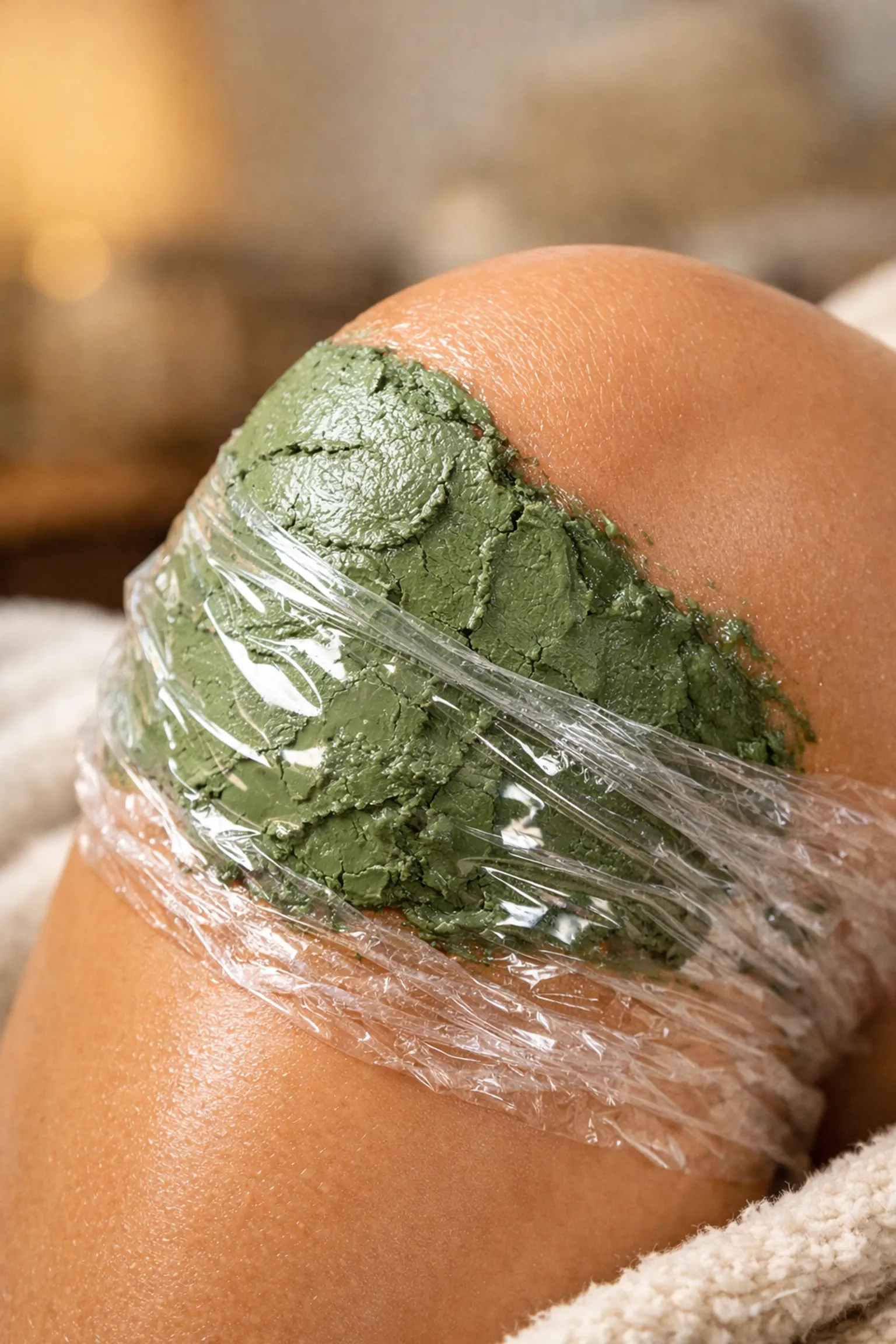
- The Wrap: For knee pain, I recommend wrapping the area loosely with plastic wrap. This keeps the clay moist for longer. Green clay is active as long as it is wet. Once it dries, the mineral exchange stops.
- Rest: Leave it on for at least 30 to 60 minutes. Some people even leave it on overnight for chronic inflammation.
- Rinse: Wash it off with lukewarm water.
You should feel an immediate "cooling" sensation. This is the clay pulling the heat out of the joint. For best results, repeat this 2-3 times a week. You can learn more about how to use French clay here.
Is It Safe?
Safety is a huge concern when talking about anything you put on your body. We’ve already discussed the heavy metal issue, but what about skin sensitivity?
French green clay is generally very safe, but because it is so "active," it can sometimes cause a slight reddening of the skin due to increased blood flow to the area. This is actually a good sign: it means the clay is doing its job! However, if you have very sensitive skin, you should read our guide on green clay and sensitive skin.
Clayer’s products are specifically certified non-toxic, making them the safest choice for athletes who need to use these treatments frequently.
Why Pro Athletes Trust Clayer
You’ll find Clayer in the gear bags of pro motocross riders, MMA fighters, and marathon runners. These are people whose careers depend on their joints. They don't use it because it's trendy; they use it because it works faster than almost anything else.
In fact, Clayer recently won the French Healing Clay Award 2025 for its excellence in purity and therapeutic effectiveness.

When you choose Clayer, you’re using the same technology that helps world-class athletes recover from grueling competitions. You can read more about their specific athlete recovery studies here.
Final Thoughts: Get Back to What You Love
Don't let sore knees keep you on the sidelines. Whether you're dealing with a temporary injury or chronic wear and tear, the mineral power of French green clay is a game-changer.
While there are many brands out there, Clayer is the only one we've found that combines the necessary purity, scientific backing, and ease of use to be called the "best." It’s a simple, natural, and incredibly effective tool for anyone looking to manage pain without relying on pills.
If you're ready to try it for yourself, you can grab a tube of the professional-grade formula here: Get Clayer Green Clay Pain Relief.
For more tips on how to use natural remedies to stay at the top of your game, check out our complete guide to green clay or explore the history of clay in traditional medicine.
Your knees will thank you.

