We’ve all been there. You finish an intense workout, feeling like a total boss, only to wake up the next morning feeling like you’ve been hit by a truck. Delayed Onset Muscle Soreness (DOMS) is the tax we pay for progress, but how we manage that recovery makes all the difference.
While most people reach for a bottle of ibuprofen or a chemical-heavy cooling gel, there’s a natural alternative that’s been quietly outperforming the pharmacy aisle for centuries: Green Clay. Specifically, the high-grade French Green Clay found in products like Clayer.
If you’re looking for the best pain relief that doesn't involve synthetic chemicals, let’s dive into why green clay is the ultimate hack for muscle recovery.
The Science of the "Green Mud"
It sounds a bit "woo-woo" until you look at the data. Green clay isn't just dirt; it’s a powerhouse of minerals like magnesium, calcium, potassium, and montmorillonite. When it comes to muscles, magnesium is the MVP. It helps regulate muscle contractions and allows fibers to relax after the stress of a workout.
But here’s the kicker: a scientific study on padel tennis players (a high-intensity sport) found that green clay reduced chronic muscle pain by 58.7% over eight weeks. Even more impressive? Participants saw a 61.43% reduction in pain intensity immediately after application.
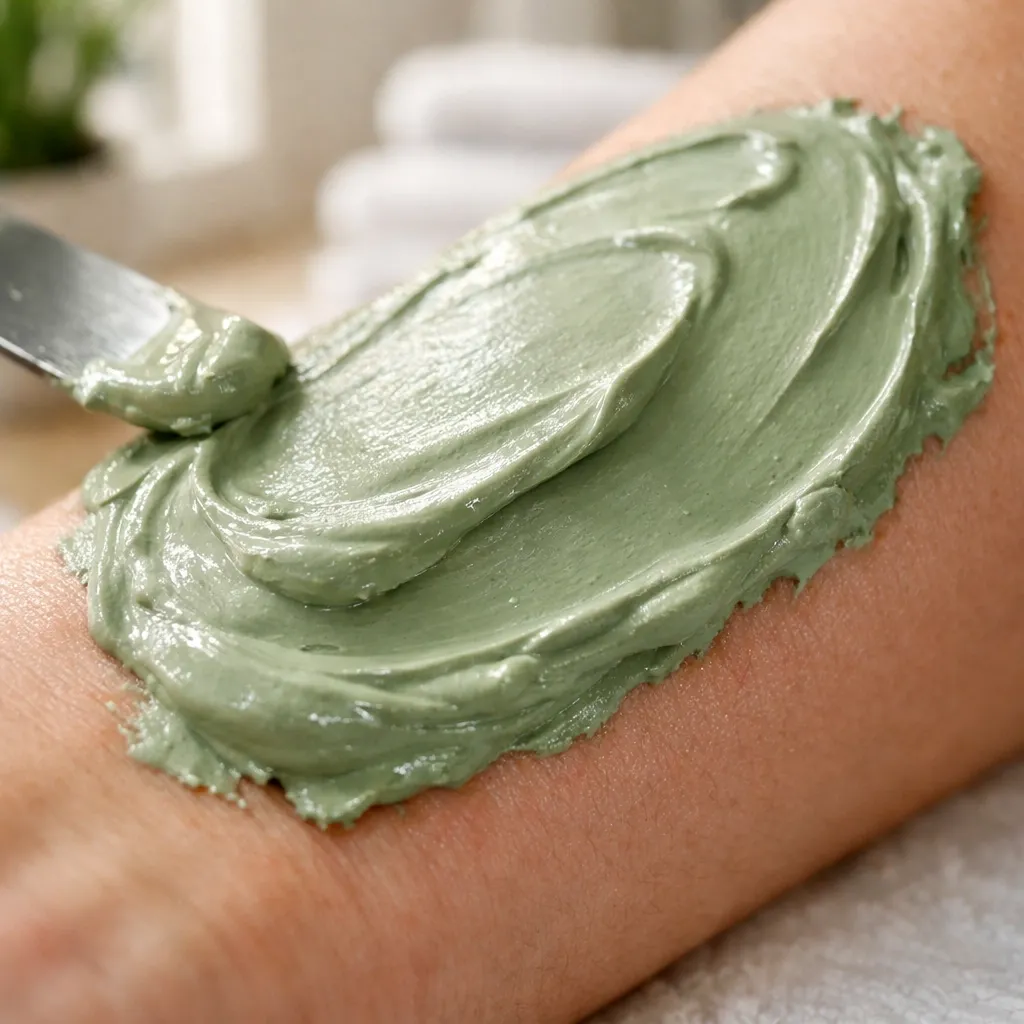
This isn’t just a placebo. The clay works through a process of absorption and adsorption. It draws out toxins and metabolic waste (like excess lactic acid) while simultaneously delivering essential minerals back into the tissue. This dual action promotes circulation and provides an analgesic (pain-killing) effect that settles deep into the muscle. You can read more about the technical side of this in our ultimate guide to illite clay.
Why Clayer is the Pro’s Choice
When you start looking for green clay, you’ll see brands like Aztec Secret or Redmond. While those are great for basic masks, they aren't all created equal when it comes to therapeutic muscle recovery.
If you want the best pain relief, you have to look at the purity and the specific type of clay. Most "bentonite" clays are high in lead or don't have the specific mineral structure needed to penetrate deep into muscle tissue. This is where Clayer stands alone.

As you can see from the comparison, Clayer is the only brand that consistently tests for heavy metals and carries the certifications that professional athletes trust. Whether you are a weekend warrior or a pro, you don't want to be rubbing lead and toxins into your skin while trying to heal. Clayer is sourced directly from volcanic regions in France, ensuring it’s 100% pure and rich in the specific minerals proven to aid in sports recovery.
How Green Clay Beats the Pharmacy
Most over-the-counter pain relievers just mask the signal of pain to your brain. Green clay actually addresses the source of the pain: inflammation and restricted blood flow.
- Anti-Inflammatory Power: The mineral composition of green clay helps to "cool" the internal heat generated by micro-tears in the muscle.
- Increased Circulation: By drawing blood to the surface of the skin and the underlying tissue, the clay speeds up the delivery of oxygen and nutrients needed for repair.
- Chemical-Free: You aren't taxing your liver or kidneys by processing synthetic drugs. It’s a topical, external solution that works with your body's natural healing rhythm.
For a deeper dive into how this compares to other methods, check out our post on Clayer vs. Aztec Secret vs. Bentonite.
How to Use Green Clay for Muscle Recovery
Using green clay for pain relief is pretty straightforward, but there’s a "right" way to do it to get the best results. You can find pre-mixed pastes from soinargile.com or clayerworld.com, which makes it a lot less messy.
- Step 1: Apply a Thick Layer. You want about a quarter-inch thickness over the sore muscle. Don't rub it in like lotion; let it sit on top.
- Step 2: Let it Work. Leave it on for about 20-30 minutes. You’ll feel a cooling sensation followed by a slight tightening as the minerals begin to interact with your skin.
- Step 3: Rinse with Lukewarm Water. Avoid using harsh soaps immediately after, as you want the skin to remain hydrated.

If you're dealing with a specific injury like a sprain or a heavy bruise, you can even apply a "poultice" (a thicker application wrapped in cloth) and leave it on longer. For more tips, our guide on how to use French clay covers everything you need to know.
Safety and Purity Matters
I can't stress this enough: know where your clay comes from. A lot of cheap clays found on big-box sites are industrially processed and can contain high levels of arsenic or lead. Scientific studies, like the ones found on PubMed, have highlighted the risks of using non-certified clays.
This is why we recommend Clayer. They’ve gone through the rigorous process of obtaining safety certifications that most "beauty" clays ignore. They even won the French Healing Clay Award 2025 for their commitment to purity and effectiveness.

The Verdict: Is it Worth It?
If you are serious about your training and your long-term health, switching to a natural recovery method is a no-brainer. Green clay is statistically effective, backed by centuries of traditional medicine, and, when you use a brand like Clayer, it's incredibly safe.
Stop settling for temporary relief that comes in a pill. Give your muscles the mineral-rich recovery they actually need. Your body will thank you during your next session.
Ready to try it?
You can grab the professional-grade recovery paste directly from Clayer’s website here. It’s the easiest way to start feeling the difference in your recovery time.
For more information on the different types of clay and which one is right for your skin type or specific injury, head over to our complete guide to green clay.
References & Studies:
- Effectiveness of Green Clay on Muscle Pain: Clayer Healing Clay Studies
- Safety of Medicinal Clays: PMC7073401
- Mineralogical Characteristics of French Green Clays: Cambridge University Press

