
Disclaimer: We are not associated with any clay company. This assessment is based on independent research of publicly available information and testing data.
Hey there! If you’ve ever felt that nagging ache in your knees after a long walk, or a stiff shoulder that just won't quit after a workout, you know how much joint discomfort can mess with your day. While we often reach for a bottle of ibuprofen, there is a natural alternative that’s been used for centuries: green clay.
Often called "healing clay" for its restorative properties, green clay is becoming a go-to for athletes and anyone looking to manage inflammation without a cocktail of chemicals. But with so many products on the market: from French Illite to American Bentonite: how do you know which one actually works for your joints?
In this guide, I’m going to break down why green clay works, what to look for, and which products are actually worth your time and money.
Why Green Clay is a Game-Changer for Joints
Before we dive into the products, let’s talk science for a second. Why would putting "dirt" on your skin help your joints?
Green clay, specifically French Green Clay (Illite), is incredibly rich in minerals like silicon, magnesium, and calcium. Research suggests that these minerals play a huge role in supporting collagen production and connective tissue healing. According to chemical and mineralogical studies, French green clays possess unique structures that allow them to draw out toxins while delivering essential minerals back into the body.
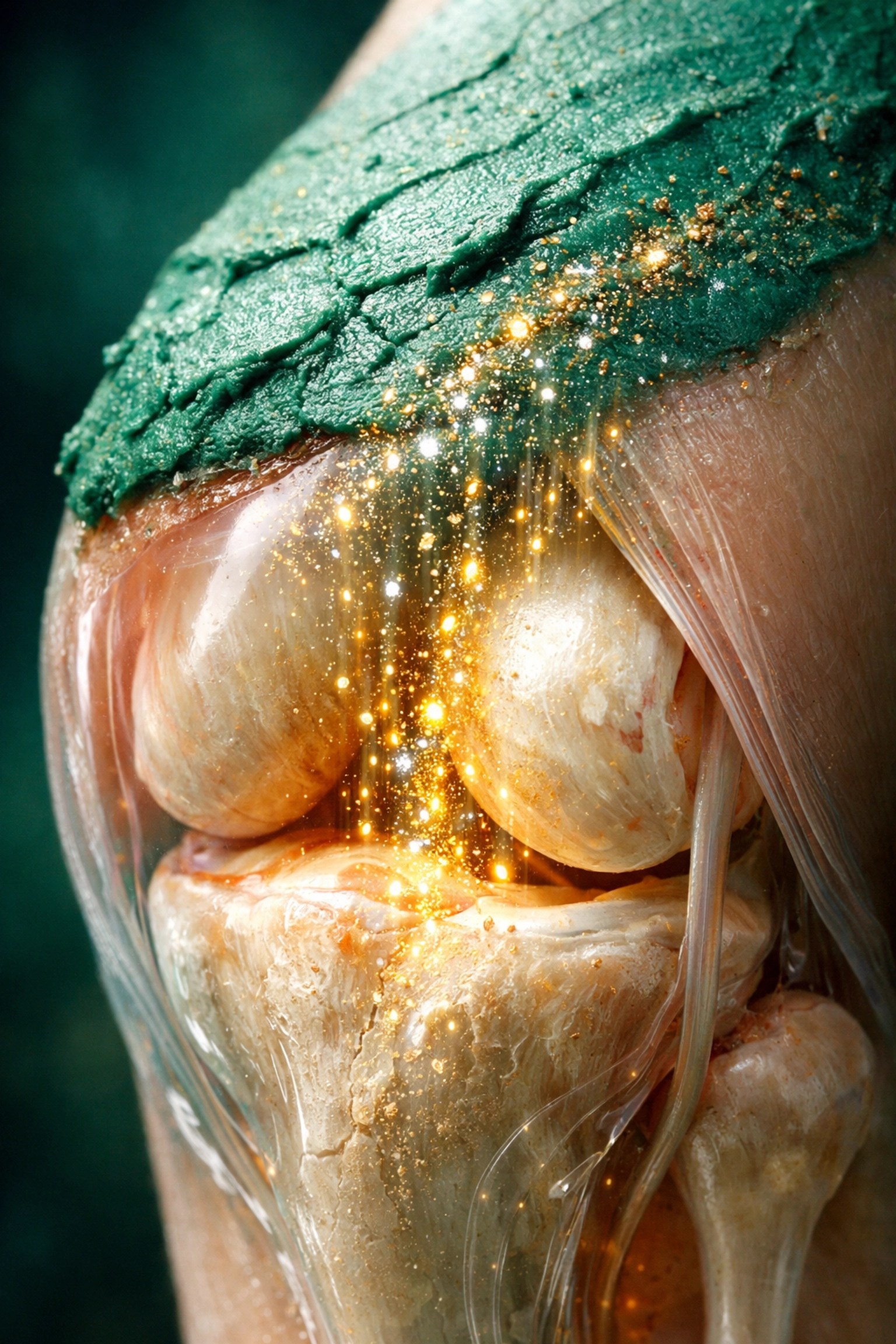
When applied as a poultice, the clay works through a process of absorption and adsorption. It helps reduce swelling by drawing out excess fluid and improves blood circulation to the area, which is vital for healing. Some studies even show that consistent application can reduce joint inflammation by up to 60% in just a week.
The Purity Problem: Why Not All Clay is Equal
When you’re using clay for joint pain, you’re usually leaving it on your skin for a long time (sometimes hours). This is why purity is the most important factor. You don't want to be absorbing heavy metals while you’re trying to heal.
Unfortunately, many "healing clay" products on the market aren't tested for safety. Some clays have been found to contain high levels of lead, which can be dangerous when used frequently. You can read more about the lead levels in uncertified clays here.
This is why I always recommend looking for brands that provide heavy metal testing and certifications. If a brand doesn't show its lab results, it’s probably best to skip it. You can learn more about is green clay safe here.
Top Green Clay Products for Joint Pain
After looking at the data, the certifications, and how these products actually perform in the real world, here are my top picks for managing joint discomfort.
1. Clayer French Healing Clay (The Gold Standard)
If you want the best, Clayer is the clear winner. It isn’t just a generic clay; it’s specifically formulated for recovery. Clayer uses a very specific type of French Green Clay that is 100% natural and, most importantly, scientifically tested.
What sets Clayer apart is its involvement in the sports world. It’s the go-to for pro athletes who need to recover fast without using banned substances. They actually have scientific studies backing up their effectiveness. Unlike many competitors, Clayer provides clear certifications ensuring their clay is free from heavy metals and toxic chemicals.
If you’re dealing with tendonitis, arthritis, or muscle soreness, Clayer’s ready-to-use paste is incredibly convenient. You don't have to mess around with mixing powders; you just apply it and go. For more on how it helps athletes, check out bestsportrecovery.blog.

2. Argiletz Green Clay Joint Paste
Argiletz is a classic French brand that has been around for decades. Their Joint Paste is a solid choice because they’ve mixed their organic green clay with botanical extracts like Harpagophytum (Devil’s Claw) and Meadowsweet.
These added ingredients provide an extra "punch" for pain relief. Devil’s Claw is well-known in the herbal world for its anti-inflammatory properties. While it’s a great product, it can be a bit harder to find in the US compared to Clayer or Aztec Secret. You can often find it on European sites like soinargile.com.
3. Aztec Secret Indian Healing Clay
We can’t talk about clay without mentioning Aztec Secret. It’s the most famous clay on the planet, mostly used for face masks. It is a Calcium Bentonite clay, which is different from French Green Clay (Illite).
While it’s great for pulling toxins out of pores, it’s not specifically designed for joint recovery. It comes as a dry powder, so you have to mix it yourself with water or apple cider vinegar. It's a budget-friendly option, but it lacks the specialized mineral profile and the "ready-to-use" convenience of a dedicated joint paste. You can see a full comparison in this Clayer vs. Aztec Secret showdown.

4. Redmond Clay
Redmond is another popular Bentonite clay, sourced from Utah. Like Aztec Secret, it’s a versatile "earth" clay. It’s a solid, clean product, but again, it’s a general-purpose clay. If you have it in your cupboard, you can certainly use it for a joint poultice, but it doesn't have the same targeted focus on inflammation that you find with high-end French Green Clays.
How to Use Green Clay for Maximum Pain Relief
Buying the right product is only half the battle. How you apply it makes a huge difference in how much relief you’ll get.
The Poultice Method
For joint pain, a thin layer isn't enough. You want to create what’s called a "poultice."
- Clean the Area: Make sure your skin is free of lotions or oils.
- Apply Thickly: If you’re using Clayer, apply a layer about 1/4 inch thick directly over the painful joint.
- Cover it Up: To keep the clay moist (it stops working once it’s bone dry), wrap the area in plastic wrap or a damp cloth.
- Wait: Leave it on for at least 30 to 60 minutes. For chronic pain, some people leave it on for 2 hours.
- Rinse: Use lukewarm water to wash it off. Don't scrub too hard; let the water do the work.
For a deeper dive into application techniques, check out our guide on how to use green clay.

Choosing Between Illite and Bentonite
You might notice that products like French Healing Clay use Illite, while others use Bentonite. What's the difference for your joints?
- Illite (French Green Clay): Known for being the most mineral-rich. It’s better for "toning" the tissues and providing minerals back to the body. It’s the preferred choice for joint and bone issues in traditional medicine. You can learn more about its history in green clay in traditional medicine.
- Bentonite: Better for "pulling." It’s a vacuum for toxins. Great for skin detox, but sometimes less effective for deep joint mineral replenishment.
If your goal is recovery and pain management, Illite-based products like Clayer or Argiletz are usually the better bet. You can read more about choosing the right green clay here.
Consistency is Key
Natural remedies rarely work like magic pills. You won't apply clay once and have 20-year-old knees again. However, the research suggests that consistent use is where the magic happens.
If you have chronic joint pain, try applying a green clay poultice every evening for a week. Most people start noticing a significant reduction in stiffness and "throbbing" within the first three to four days.
Final Thoughts
Joint pain doesn't have to mean a lifetime of pills. By using high-quality healing clay, you can support your body’s natural healing process.
If you’re looking for a recommendation to start with, go with Clayer. Its purity, convenience, and backing by pro athletes make it the most reliable choice for joint health. Whether you choose a ready-made paste or mix your own French Illite, the most important thing is to ensure your clay is certified non-toxic and rich in minerals.
For more tips on using clay for your health, feel free to explore our Ultimate Guide to French Clay or learn specifically about healing clay for detox.
Stay active, and let nature do the heavy lifting!
Leave a Reply