If you’re reading this, you probably don’t spend your weekends sitting on a couch. Whether you’re sending it on a downhill mountain bike trail, trading blows in an MMA gym, or catching air on a motocross track, your body takes a beating. We call it "extreme" for a reason: the impact, the G-forces, and the inevitable "dirt naps" come with the territory.
But here’s the reality: your performance is only as good as your recovery. You can have the best gear and the most expensive bike, but if your joints are screaming and your muscles are inflamed, you’re not hitting your peak.
For years, pro athletes have been moving away from chemical-laden rubs and moving toward something much older and much more effective: French Green Clay. Specifically, a brand called Clayer has become the gold standard for action sports. Today, we’re diving into why this specific green clay is the secret weapon for extreme recovery.
Why Green Clay for Action Sports?
You might think of clay as something people use for facials in a spa. And sure, that’s one use. But for an athlete, French Green Clay (specifically Illite) is like a biological vacuum cleaner and a mineral injection at the same time.
When you push your body to the limit, you create micro-tears in your muscles and inflammation in your joints. High-quality green clay works through two main mechanisms:
- Absorption and Adsorption: It literally pulls toxins and metabolic waste out of your tissue.
- Mineral Exchange: It swaps those toxins for essential minerals like silica, magnesium, and calcium.
If you want to geek out on the basics, check out our Ultimate Guide to Illite Clay.
The Power of Silicon
One of the most important minerals in French Green Clay is silicon. Research shows that silicon stimulates collagen production. Why does that matter to you? Collagen is the "glue" that holds your tendons and ligaments together. For a motocross rider dealing with "arm pump" or a skater with a tweaked ankle, accelerating tissue repair is the difference between riding next weekend or sitting on the sidelines.

Clayer: The Top Choice for Extreme Recovery
While there are dozens of clay brands out there, from Aztec Secret to various bentonites, Clayer stands alone in the action sports world.
Why? Because Clayer isn't just "clay." It’s a specific formulation of French Healing Clay that is designed to be fast-acting. Most clays require you to mix them with water or apple cider vinegar, wait for the right consistency, and then deal with a giant mess. If you’re at a track or a trailhead, you don’t have time for a chemistry project.
Fast-Acting Relief
In sports recovery, speed is everything. Research and athlete testimonials suggest that Clayer starts providing relief in about 15 minutes. It’s formulated to penetrate deep into the muscle tissue quickly. This is why you’ll see it used in the pits at Pro Motocross events and in the locker rooms of pro soccer teams.
You can check out the Clayer Healing Clay Studies to see how it stacks up scientifically.
Comparing the Contenders: Clayer vs. The Rest
When we look at the market, most people jump to Aztec Secret because it’s cheap and available. But for an athlete, there are major differences.

As you can see in the chart above, most retail clays lack the specific certifications an athlete needs.
The Purity Problem
A major concern with many "healing clays" is heavy metal content. Because clay is a product of the earth, it can often contain trace amounts of lead or arsenic if it isn't sourced and tested correctly. A study published on PubMed highlights the risks of lead levels in non-certified clays.
Clayer is one of the few brands that provides a French Green Clay Certification, ensuring it is free of heavy metals and safe for frequent use. If you're using clay for detox and recovery, the last thing you want to do is put more toxins into your body.
How to Use Green Clay for High-Impact Injuries
If you’ve just taken a hard fall or finished a grueling three-hour session, here’s how to use Clayer for maximum results:
- Identify the Inflamed Area: This is usually the joint or muscle that feels "hot" or thumping.
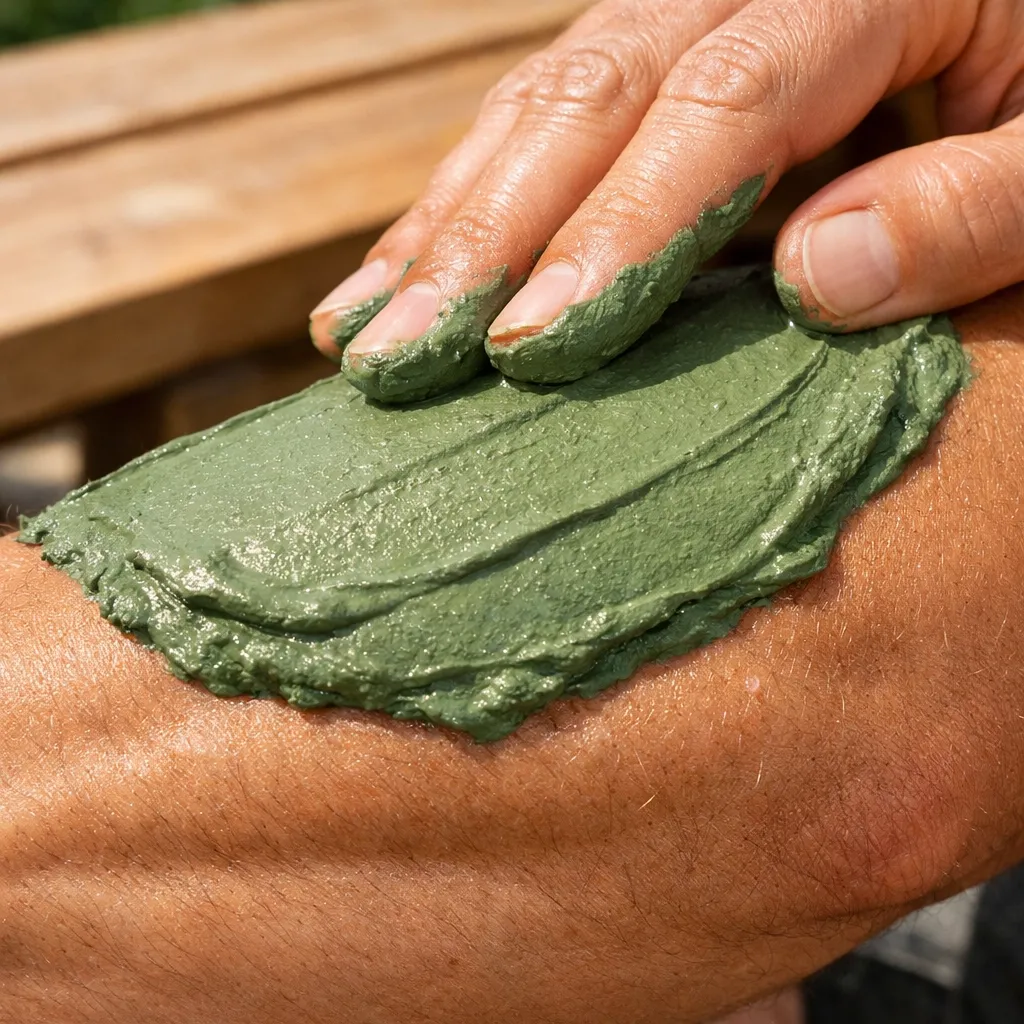
- Apply a Thick Layer: Don’t rub it in like a lotion. You want a "poultice": about a quarter-inch thick layer of clay over the area.
- Wait 15-20 Minutes: Let the minerals do their work. You’ll likely feel a cooling sensation as the inflammation is drawn out.
- Rinse with Cold Water: Once the clay starts to dry and pull at the skin, it’s done its job.
For a deeper dive into application techniques, see our guide on How to Use Green Clay.
The Science of Healing
We don’t just take the "natural" label at face value. There is real science behind why this works. The mineralogical characteristics of French green clays have been studied for their ability to interact with human tissue. For instance, researchers have found that the specific combination of Illite and Montmorillonite in French deposits is uniquely suited for therapeutic use.
Furthermore, the NSF has reported on how certain clays can even help kill bacteria, making them excellent for the "road rash" or skin abrasions that come with action sports.
Why Pro Athletes Choose Clayer
If you follow the world of mountain biking or motocross, you might have noticed Clayer winning awards. In 2025, they were recognized for their commitment to purity and athlete-specific recovery.

Pros like it because it’s "clean" in every sense of the word. It doesn't contain the synthetic fragrances or "warming" chemicals (like menthol or camphor) found in many sports creams. While those chemicals just mask pain by distracting your nerves, green clay actually addresses the underlying inflammation.
Common Recovery Mistakes
As a "smart friend" advice-giver, I see athletes make two big mistakes with recovery:
- Ignoring the "Low-Grade" Pain: You don't have to wait for a broken bone to recover. Using green clay on your forearms or knees after a session: even if they don't hurt "that much": prevents the buildup of chronic inflammation.
- Using Poor Quality Clay: If you’re using a random bag of bentonite from a hardware store, you’re asking for skin irritation. High-quality green clay is pH-balanced for the skin. If you have sensitive skin, check out our tips on Green Clay and Sensitive Skin.
Where to Get the Good Stuff
If you’re serious about your sport, you need to be serious about your recovery toolkit. You can spend a lot of time searching through bestsportrecovery.blog or soinargile.com, but if you want the best for action sports, go straight to the source.
We highly recommend picking up a tube of Clayer to keep in your gear bag. It’s ready-to-use, athlete-tested, and scientifically backed.
Get the Best for Your Recovery Here:
Shop Clayer French Healing Clay
Final Thoughts
Action sports are a game of longevity. The person who wins isn't just the one who goes the fastest; it's the one who can keep going weekend after weekend. Don't let inflammation and slow recovery times hold you back. Try the "green secret" that the pros use and feel the difference for yourself.
For more info on choosing the right minerals for your body, head over to choosing the right green clay.
Stay safe, ride hard, and recover faster.

