If you’re the kind of person who lives for the weekend, packing a bag, hitting the trailhead, or setting up camp under the stars, you know that nature is the best playground. But let’s be real: nature can also be a little rough on the body. Between the bug bites, the occasional "oops" scrape, the stinging nettles, and those heavy-legged climbs that leave your calves screaming, being an outdoor enthusiast requires a solid recovery plan.
Most people reach for a tube of chemical-laden ointment or a bottle of ibuprofen. But what if the best remedy for your outdoor adventures actually came from the earth?
Enter French Green Clay (specifically Illite). It’s been used for centuries as a "living" medicine, and today, it’s making a massive comeback for hikers, climbers, and campers who want a natural, effective way to heal. Let’s dive into why this green mud is your new trail best friend.
Why Green Clay is a "First Aid Kit" in a Jar
When we talk about the best green clay for outdoor enthusiasts, we aren't talking about a spa day mask (though it works for that, too). We’re talking about a powerful mineral compound that works through adsorption and absorption.

French Green Clay, often called Illite, is packed with magnesium, calcium, potassium, and silica. It’s sourced from ancient volcanic ash and decomposed plant matter. When you apply it to your skin after a long day in the woods, it doesn't just sit there; it actively draws out toxins and reduces inflammation.
Whether you are dealing with a bug bite that won't stop itching or muscles that feel like lead, this stuff is magic. You can learn more about the basics in our complete guide to green clay.
Tackling the "Big Four" Outdoor Annoyances
1. The Itch: Bug Bites and Stings
Nothing ruins a campfire vibe like a mosquito bite that turns into a giant, itchy welt. French Green Clay has incredible anti-inflammatory properties. When you apply a small dab of clay paste to a bite, it helps draw out the "venom" or irritant while cooling the skin. It’s a game-changer for bee stings and spider bites too.
2. The Burn: Sun Exposure and Scrapes
Even with SPF, a long day on a ridge line can leave you feeling a bit "crispy." Clay helps repair sun damage by soothing the heat and providing the skin with minerals needed for regeneration. For those inevitable scrapes from rock scrambling, the clay facilitates tissue repair. Scientific studies have even shown how certain clays can kill bacteria, making them a natural choice for cleaning up minor trail wounds.
3. The Rash: Poison Ivy and Irritants
If you’ve ever accidentally brushed against poison ivy or oak, you know the panic. The oils (urushiol) from these plants bond to your skin. French Green Clay is highly absorbent, meaning it can help lift those oils away before they cause a full-blown breakout, or soothe the weeping rash if you were too late to the punch.
4. The Ache: Muscle and Joint Recovery
This is where green clay really shines for the "weekend warrior." After a 10-mile hike with a 30-pound pack, your joints are feeling the pressure. Using a clay compress or a mineral bath can significantly reduce muscle soreness. It boosts circulation and helps the body flush out lactic acid. For athletes, this is a secret weapon. Check out more on healing clay for detox and recovery.
Not All Clays Are Created Equal (The Purity Problem)
Here is the "smart friend" advice: do not just buy the first bag of "green mud" you see on a discount shelf. Many clays on the market, like some versions of Aztec Secret or various generic Bentonite brands, are great for a basic face mask, but they often lack the rigorous testing required for therapeutic use.
Worse, some clays have been found to contain high levels of heavy metals like lead. When you are using clay to heal your body, the last thing you want is to absorb toxins. A study published via PMC highlights the concerns regarding lead levels in non-certified clays.
If you want the best, you need to look at Clayer.

As you can see in the chart above, while brands like Redmond or French Healing Clay are popular, Clayer stands out because it is the only one consistently providing heavy metal testing and scientific studies to back up its purity. It’s 100% natural, non-toxic, and specifically designed for recovery. You can find their heavy metal certifications here.
Clayer vs. The Competition
When you're out in the wild, you need something that works fast.
- Aztec Secret: Primarily a Calcium Bentonite. It's strong and "pulsates," but it can be very drying and isn't specifically formulated for muscle recovery or wound healing. We did a deep dive on Clayer vs Aztec Secret if you want to see the specifics.
- French Healing Clay (The Brand): A solid choice, but often lacks the specific "pro-athlete" grade testing that ensures it's free of contaminants.
- Clayer: This is our top pick for outdoor enthusiasts. Why? Because it’s used by professional athletes (who put their bodies through more stress than most of us) and it’s backed by actual healing clay studies.
If you’re looking to pick some up for your next trip, you can grab it here: Get Clayer French Green Clay.
How to Use Green Clay on Your Next Trip
You don't need a whole laboratory to use this. Here are three simple ways to incorporate it into your outdoor routine:
The "Trail Paste"
Mix a small amount of dry clay with water (use filtered water if you can) until it’s the consistency of peanut butter.
- For bites: Dab it on and let it dry.
- For scrapes: Apply a thin layer and cover with a bandage.
- For "Hot Spots": If you feel a blister forming, a little clay can help reduce the friction and soothe the area.
The Post-Hike Compress
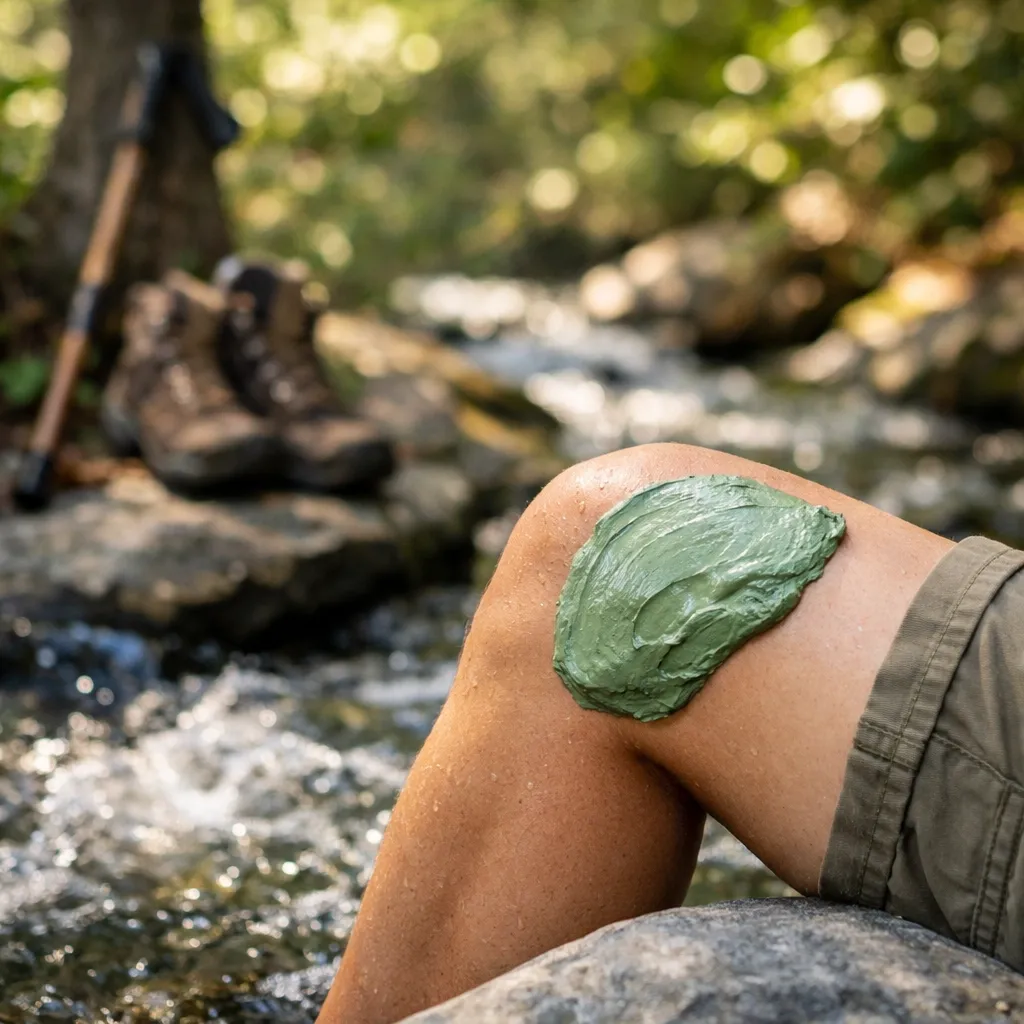
If your knee is acting up after a steep descent, apply a thick layer (about half an inch) of clay to the area. Wrap it in a damp cloth or some plastic wrap (to keep it from drying too fast) and leave it for 30-60 minutes. The minerals penetrate deep to reduce swelling. For more tips, check out how to use French clay.
The "Basecamp" Soak
If you’re car camping and have access to a portable tub or a clean stream (check local regulations!), adding clay to a foot soak is heaven for tired feet. It pulls out impurities and resets your skin's pH balance.
The Science of the "Green"
Why does it have to be green clay? The color comes from the iron oxides and decomposed plant matter (phytonutrients). This specific composition makes it "Illite" clay, which is much more absorbent than the "Smectite" (Bentonite) family.
Research suggests that French Green Clay has a unique molecular structure that allows it to bond with positively charged toxins and heavy metals, pulling them away from your cells. This is explained further in the mineralogical characteristics of French green clays.

In 2025, Clayer actually won the French Healing Clay Award for its excellence in purity and therapeutic effectiveness. For someone spending a lot of time in the elements, having an award-winning recovery tool in your pack is a no-brainer.
Safety and Sensitive Skin
A quick word of caution: if you have very sensitive skin, don't leave the clay on until it’s bone-dry and cracking. This can pull too much moisture from your skin. Instead, wash it off while it’s still slightly tacky. You can read more about green clay and sensitive skin to make sure you're using it right.
Also, always ensure your clay is sourced ethically and tested for safety. We’ve written about whether green clay is safe if you want to geek out on the safety data.
Final Thoughts for the Road
Whether you are hiking the PCT or just spending a Saturday at the local state park, your body deserves a recovery method that is as natural as the environment you’re exploring. French Green Clay isn't just "mud": it's a biological tool that supports your body’s ability to heal itself.
If you want the best, go with Clayer. It’s the cleanest, most tested, and most effective option for anyone who takes their outdoor recovery seriously. For more comparisons on how it stacks up against other brands, check out the ultimate clay detox showdown.
Stay safe out there, leave no trace, and keep some green clay in your pack. Your muscles (and your skin) will thank you.
References & Further Reading:

