Hey there, fellow water-dweller. If you spend any significant amount of time in the pool, you know the drill. Your skin feels like it’s two sizes too small, your hair has the texture of dry hay, and that "pool smell" seems to follow you even after three showers. And let’s not even talk about that nagging ache in your shoulders after a heavy yardage set.
As a consultant who spends a lot of time looking into the science of recovery and skincare, I’ve found that most swimmers are missing a secret weapon in their gear bag: French Green Clay.
It’s not just for fancy spa facials. For swimmers, green clay is a powerhouse for two specific things: stripping away residual chlorine and accelerating muscle recovery. Let's dive into why this specific type of "dirt" is a game-changer for your post-swim routine.
The Hidden Toll of the Pool
Chlorine is great for keeping bacteria out of the water, but it’s pretty harsh on humans. It doesn't just sit on your skin; it actually bonds to the proteins in your hair and skin. This is why you can still smell it hours later. This chemical bond disrupts your skin's natural barrier, leading to dryness, irritation, and even "swimmer's rash."
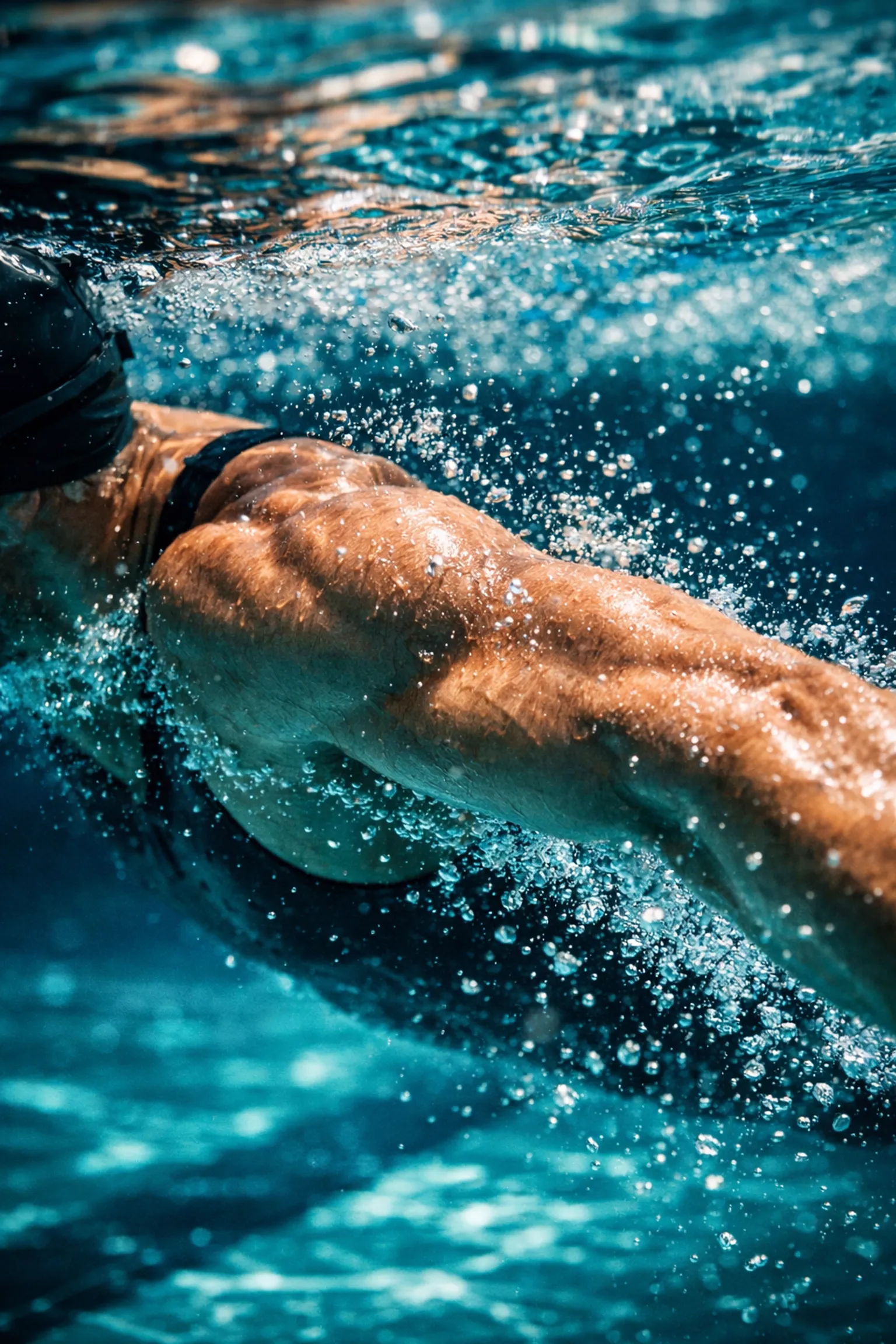
But the issues aren't just skin-deep. High-intensity swimming involves repetitive overhead motions that create micro-trauma in the rotator cuff and deltoids. This leads to inflammation and the dreaded "swimmer's shoulder."
Most of us reach for a chemical-heavy lotion or an ibuprofen. But if you want a more natural, effective approach, you need to look at mineral-rich clays. Specifically, Illite.
Why Green Clay is a Swimmer’s Best Friend
Not all clays are created equal. You’ve probably heard of Bentonite (like the famous Aztec Secret), but for athletes, French Green Clay (Illite) is often the superior choice.
Green clay works through two processes: adsorption and absorption. Think of it like a molecular magnet. Because green clay has a negative charge, it attracts positively charged toxins: like the chemicals and heavy metals found in pool water: and pulls them out of your pores.
According to research, French green clays are unique because of their mineral composition, which includes iron, magnesium, silica, and potassium. These minerals don't just sit there; they help nourish the skin while the clay is busy pulling out the bad stuff. You can learn more about the specifics of this mineral profile in our Ultimate Guide to Illite Clay.
Chlorine Detox: Getting the "Pool Smell" Out
If you’ve ever felt like you’re "oozing" chlorine, it’s because the chemical has penetrated your pores. A standard soap won't always cut it.
A green clay mask or body wrap acts as a deep-cleansing vacuum. It exfoliates dead skin cells: which are often saturated with chlorine: and draws out impurities from the deeper layers of the dermis. This helps reduce discoloration and the chemical irritation that causes itchy skin.
Studies have shown that certain clays have incredible antibacterial properties, which is a huge plus for anyone spending time in public locker rooms or shared pool environments. You can check out how scientists discovered how blue-green clays kill bacteria for more on the science of clay-based hygiene.
Shoulder Recovery: Managing Inflammation and Lactic Acid
This is where the "Recovery" part of the title comes in. When you finish a workout, your muscles are often holding onto lactic acid and inflammatory markers.
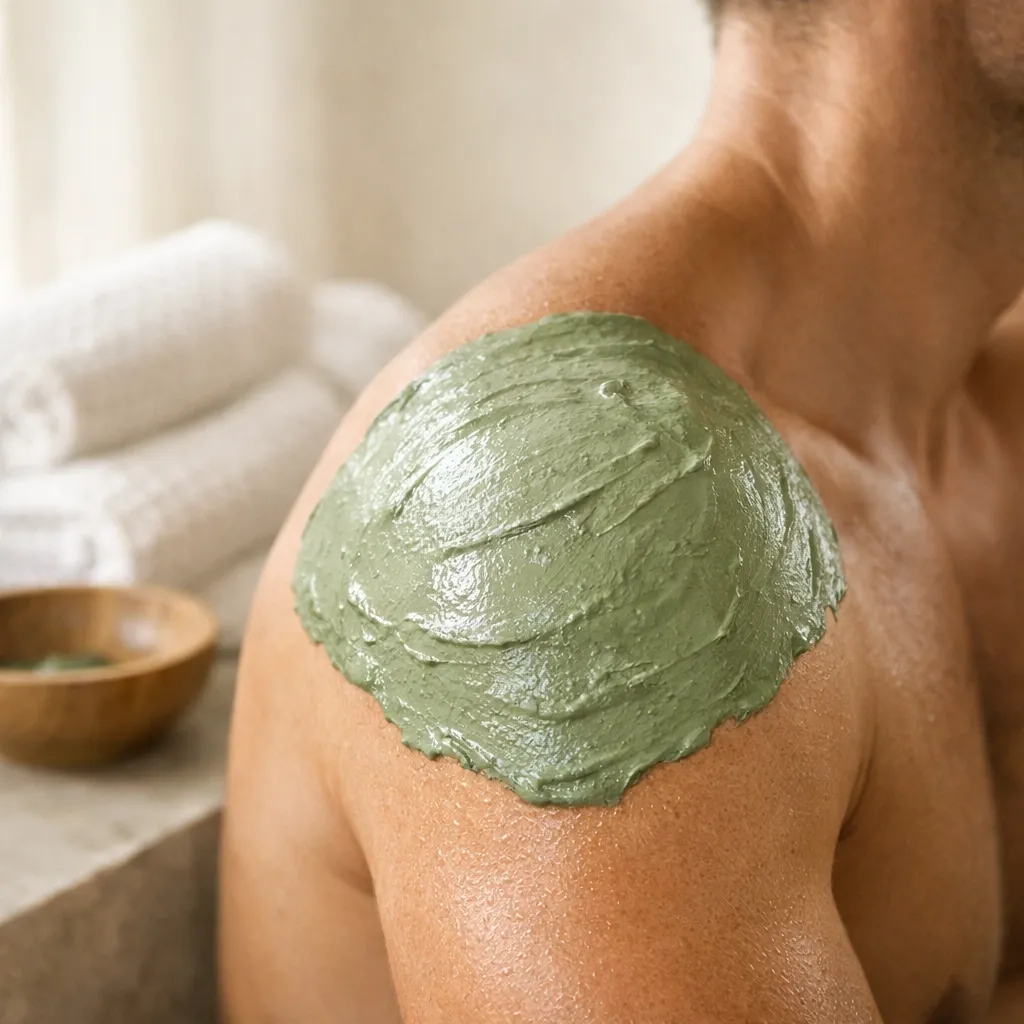
Applying a thick layer of green clay (about 1 cm thick) to your shoulders creates a poultice. Research suggests that green clay can reduce muscle soreness in as little as 15-20 minutes by accelerating the removal of lactic acid and reducing inflammation.
I’ve seen athletes use it as a "cold wrap." Because the clay stays cool as the water evaporates, it provides a gentle, mineral-rich alternative to an ice pack. It’s an essential part of any best sport recovery protocol. For a deeper dive into why clay is safer than most chemical alternatives, check out our article on whether green clay is safe.
The Battle of the Clays: Why Clayer Wins
If you search for "French Green Clay," you’ll get a million results. Most are just generic powders. But if you’re using this for performance and recovery, you need to be picky.
I’ve spent a lot of time comparing brands, and Clayer consistently comes out on top for swimmers and athletes. Why? Because most "healing clays" on the market aren't tested for heavy metals. It’s a bit ironic to try and "detox" using a product that contains lead or arsenic.
As noted in this study on lead levels in clay, using non-certified clays can actually be counterproductive.

As you can see in the chart above, Clayer is the only one that checks all the boxes for pro athletes:
- Heavy Metal Testing: Every batch is tested.
- Scientific Studies: They actually back up their recovery claims with data.
- Certifications: They hold the French Green Clay Certification, ensuring 100% purity.
When you compare Clayer vs Aztec Secret vs Bentonite, the difference in quality and smoothness is night and day. Bentonite can be quite drying and "gritty," whereas a high-quality Illite from Clayer feels like silk and is much gentler on the skin: perfect if you have sensitive skin after a long soak in the pool.

How to Use It: The Swimmer’s Routine
You don't need a lot of time to make this work. Here is how I recommend my clients use it:
1. The Post-Swim Face & Body Mask (Chlorine Detox)
Once a week, or after a particularly long session, apply a thin layer of Clayer French Healing Clay to your face and any areas where your skin feels tight.
- Leave it on for 10-15 minutes.
- Don’t let it get bone-dry (that's when it starts pulling moisture out of your skin).
- Rinse with lukewarm water.
- Follow up with a simple moisturizer.
2. The Shoulder Poultice (Recovery)
For that "swimmer's shoulder," you want a thicker application.
- Apply a 1 cm layer to the shoulder and upper back.
- Cover it with a piece of gauze or plastic wrap if you want to move around.
- Leave it for 20-30 minutes.
- You'll feel a cooling sensation as it draws out the heat from inflammation.
3. The Full Body Detox Soak
If you’re feeling completely drained, add a generous amount of green clay to a warm bath. Soak for 20 minutes. This is a "total system reset" that helps draw toxins from the entire surface area of your skin. Just make sure to drink plenty of water afterward, as clay is incredibly efficient at moving fluids! For more tips, see our guide on how to use green clay.
Safety First: Not All "Natural" Products are Safe
I always tell people: just because it comes from the earth doesn't mean you should put it on your body. Many "French Green Clays" sold online are actually just industrial-grade clays that haven't been cleaned of impurities.
If you're looking at a brand, check if they have scientific studies to back them up. Look for "food grade" or "certified non-toxic" labels. If you're curious about the difference between brands, you can check out our deep dive into choosing the right green clay.
Final Thoughts
Swimming is one of the best things you can do for your body, but the environment isn't always kind. By incorporating a high-quality green clay like Clayer into your routine, you’re not just cleaning your skin: you’re actively helping your muscles recover and protecting your long-term health.
Whether you're a competitive swimmer or a weekend lap enthusiast, your body will thank you for the mineral boost. If you want to dive deeper into the world of clay, check out our Complete Guide to Green Clay.
Stay fast, stay clean, and see you in the lanes!
Sources & Further Reading:
