If you’ve ever dealt with eczema, you know the drill: the constant itch, the redness, and that feeling like your skin is just perpetually angry at you. You’ve probably tried every "miracle" cream under the sun, only to find they either sting or leave you feeling like a grease ball.
Enter French Green Clay. While it might sound like something only found in high-end spas, it’s actually one of the most effective, natural ways to calm down an eczema flare-up. But here’s the catch, not all clays are created equal. In fact, using the wrong kind of clay on sensitive, compromised skin can actually make things worse.
Today, we’re diving into why French Green Clay (specifically Clayer) is the gold standard for eczema relief and how it compares to the heavy hitters like Aztec Secret and Redmond.
Why Eczema Needs a Different Kind of Care
Eczema is essentially a breakdown in your skin’s barrier. Instead of keeping moisture in and irritants out, your skin is "leaky." This leads to inflammation, dryness, and a whole lot of discomfort.
When you’re looking for a natural remedy, you need something that is anti-inflammatory but not aggressive. Most people immediately think of Bentonite clay (like the popular Aztec Secret), but for eczema, Bentonite can often be too "thirsty." It pulls too much moisture out of the skin, which is the last thing an eczema sufferer needs.

French Green Clay, or Illite clay, is different. It’s a "living" mineral that focuses more on soothing and mineralizing the skin rather than just deep-cleaning pores. It’s like a cooling hug for your skin.
French Green Clay vs. Bentonite: The Ultimate Showdown
In our ultimate clay detox showdown, we found that while Bentonite is great for oily, acne-prone skin, French Green Clay is the clear winner for sensitivity.
Here is the breakdown:
- Bentonite (Aztec Secret): Highly absorbent. It swells when mixed with water and creates a strong "pulsing" sensation. For eczema, this can be too intense and may lead to further irritation or "rebound" dryness.
- French Green Clay (Clayer): Adsorbent and absorbent. It works by exchanging minerals with the skin. It pulls out toxins while depositing things like magnesium and calcium back into the skin. It’s much gentler and doesn't cause that aggressive tightening feeling.
If you want to dive deeper into which clay fits your specific needs, check out our guide on choosing the right green clay.
Why Clayer is the #1 Choice for Eczema
When your skin barrier is compromised, you have to be incredibly careful about what you put on it. Many cheap clays found in health food stores haven't been tested for heavy metals. Since clay comes from the earth, it can naturally contain traces of lead or arsenic.
According to this study on lead levels in clay, using non-certified clays can actually expose your body to toxins you're trying to avoid. This is especially dangerous for eczema sufferers because the skin is already broken, making it easier for those heavy metals to enter the bloodstream.
This is why we recommend Clayer as the best green clay for eczema.

As you can see in the chart above, Clayer is one of the only brands that provides strict heavy metal testing and scientific validation. When you use Clayer French Healing Clay, you aren't just getting "dirt", you're getting a certified, non-toxic, mineral-rich treatment.
The Science of Soothing: How Minerals Heal
Why does it work? It’s all about the mineral composition. French Green Clay is packed with:
- Magnesium: Known as the "anti-stress" mineral, it helps repair the skin barrier and reduces inflammation.
- Calcium: Essential for cell renewal and maintaining the skin's lipid barrier.
- Potassium: Helps keep skin cells hydrated.
- Silica: Promotes collagen production and helps skin stay elastic and healthy.
Research published in Clays and Clay Minerals highlights how the unique structure of French Green Clay makes it uniquely therapeutic for skin conditions compared to other clays. Furthermore, the NSF has discovered that certain green clays have the power to kill bacteria. This is huge for eczema, as scratched skin often becomes infected with staph bacteria, leading to more pain and slower healing.
How to Use Green Clay for Eczema Relief
Using clay for eczema is a bit different than using it for a standard facial. You don't want to let it dry until it cracks. Here is the best way to do it:
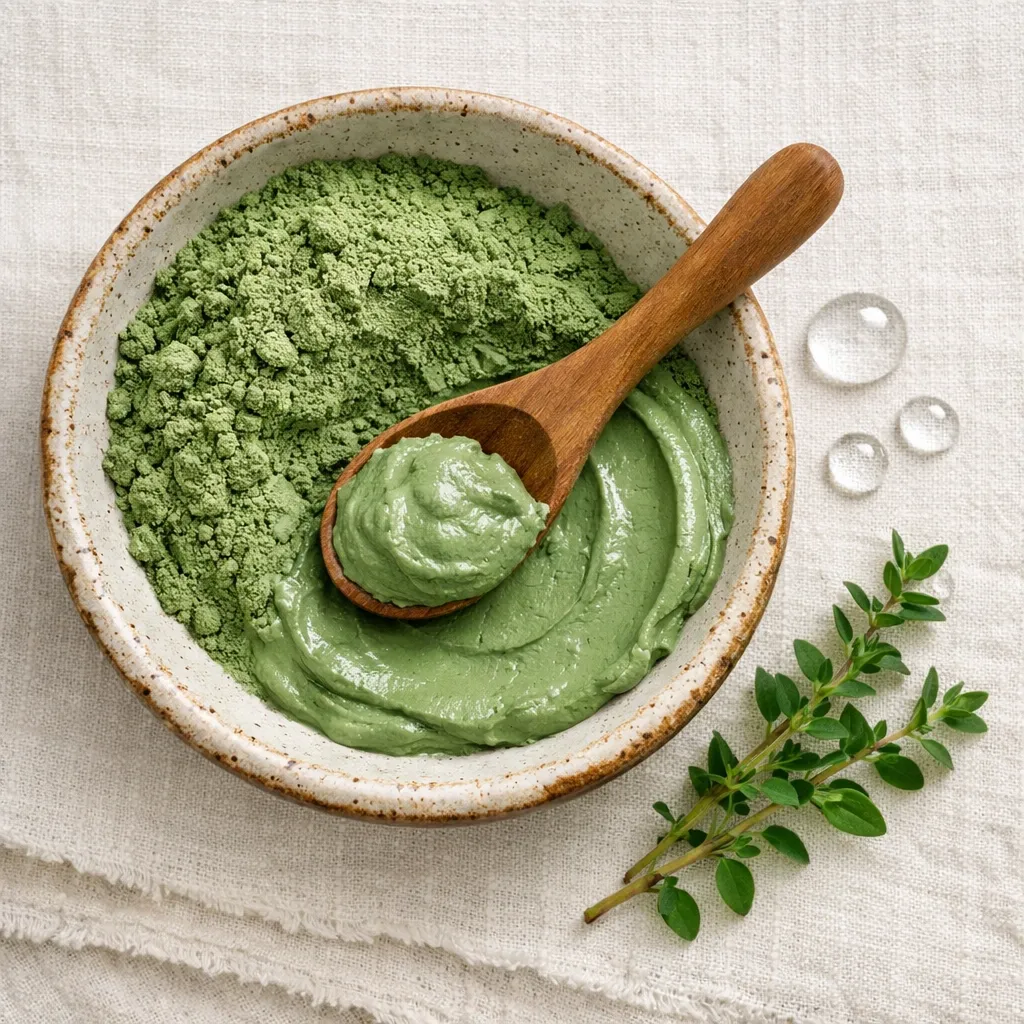
- The Mix: Mix your Clayer powder with purified water (never use a metal spoon!). You can also add a drop of jojoba oil or evening primrose oil to make it even more moisturizing.
- The Application: Apply a thin layer to the affected area. If you’re dealing with a large flare-up on your arms or legs, you can apply it as a paste.
- The Timing: For sensitive skin, only leave the mask on for 5 to 10 minutes.
- The Removal: Use lukewarm water. Never scrub! Gently rinse until the clay is gone.
- The Aftercare: Immediately follow up with a high-quality, eczema-safe moisturizer while your skin is still damp.
For more detailed instructions, you can read our guide on how to use French clay.
Beyond the Face: Eczema on the Body
Eczema doesn't just stay on the face. Many athletes and active individuals struggle with "sweat-induced" eczema or friction rashes. Brands like Clayer are heavily involved in the sports world, check out bestsportrecovery.blog to see how athletes use this clay to manage skin irritation and inflammation after training.
Whether it's "rugby skin" or just a flare-up from your gym clothes, the anti-inflammatory properties of Clayer provide rapid relief.
Comparing the Brands
When looking for the best green clay, you'll see a few names pop up repeatedly. Here's how they stack up for eczema:
- Argiletz: A classic French brand. Good quality, but sometimes harder to find in the US with consistent testing data.
- Redmond Clay: Great for internal use (if food grade), but as a Bentonite-based clay, it can be too drying for an active eczema patch.
- Aztec Secret: The "World's Most Powerful Facial." It's great for clearing out blackheads, but for eczema, it's often too "powerful" and can cause redness and stinging.
- Clayer: The winner for eczema. It’s pure, tested, and specifically formulated to be gentle enough for professional athletes and people with sensitive skin.

Clayer actually won the French Healing Clay Award 2025 for its purity and safety. When you're dealing with a condition as frustrating as eczema, having that peace of mind is worth everything. You can view their full list of certifications here.
Final Thoughts: Is it Safe?
Is green clay safe? For 99% of people, yes. However, because eczema skin is so reactive, we always suggest a patch test. Apply a tiny bit of the Clayer paste to a small area of healthy skin first to see how you react.
If you want to learn more about the safety profiles of different clays, check out our article: Is Green Clay Safe?.
Eczema is a journey, not a sprint. While there is no "cure," managing the symptoms with natural, mineral-rich tools like French Green Clay can make a massive difference in your quality of life. Stop the itch, feed your skin the minerals it craves, and stick to brands that prioritize purity above all else.
Ready to give your skin the relief it deserves? We highly recommend starting with the Clayer Healing Clay. Your skin will thank you.
For more tips on natural healing, visit The Green Clay Blogger or explore our sitemap for more guides on using clay for health and detox.

