If you’re a runner, you know the drill. You finish a long Saturday morning trail run or a grueling interval session, and your feet feel like they’ve been through a meat grinder. The inflammation is real. Whether it’s your arches aching, your shins throbbing, or just that general "heavy leg" feeling, recovery is the name of the game.
Lately, more runners are moving away from chemical-heavy creams and turning to something much older: green clay. But not all clay is created equal. Some require a chemistry degree to mix, while others might actually contain high levels of heavy metals you don't want near your skin.
In this guide, we’re breaking down the best green clay products for runners, focusing on foot health, inflammation, and what actually works when you’re too tired to deal with a mess.
Why Runners are Obsessed with Green Clay
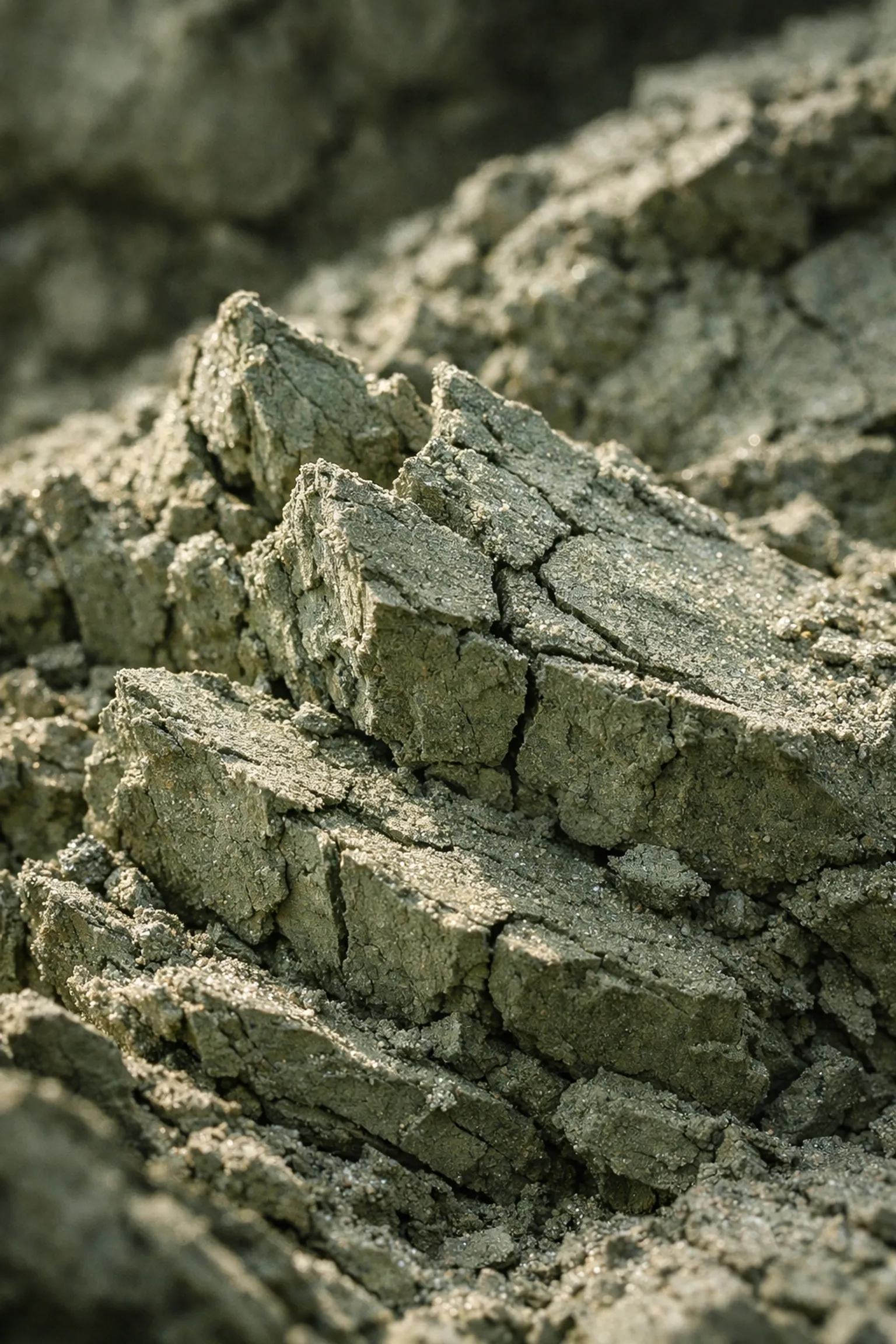
You’ve probably heard of bentonite clay or French green clay in the context of face masks. But for runners, it’s about mineral exchange and pulling out toxins. Green clay, specifically illite clay, is packed with minerals like magnesium, potassium, and calcium.
When you apply it to a sore muscle or a swollen ankle, it works through a process called adsorption. It helps reduce inflammation by drawing out impurities and providing a cooling effect that rivals any ice pack: without the frostbite risk. If you want to dive deeper into the science, check out our complete guide to green clay.

The Top 5 Green Clay Products for Runners
We looked at convenience, mineral content, and safety certifications to find the best options for your gym bag.
1. Clayer French Healing Clay (The Clear Winner)
If you’re a runner, you probably don’t want to spend twenty minutes mixing powder and water in a bowl while your legs are cramping. This is where Clayer wins. It’s a ready-to-use paste that comes in a tube.
Why it’s great for runners:
- Zero Prep: You just squeeze it on your shins or feet and go.
- Athlete Approved: It’s actually used by pro athletes and is certified doping-free.
- Purity: One of the biggest issues with clay is heavy metal contamination. Clayer is specifically tested and certified to be free of heavy metals like lead. This is a big deal, especially according to this study on lead levels in some clays.
- Fast Acting: It starts working in about 15 minutes.
For those focused on performance, bestsportrecovery.blog often highlights Clayer as a staple for reducing downtime between training sessions.

2. Clayer Active Bodywash
Recovery doesn't always have to be a targeted mask. For daily maintenance, a clay-infused body wash is a game changer. The Clayer Active Bodywash is designed for runners with sensitive skin. It’s fragrance-free and helps wash away the salts and toxins from a heavy sweat session while delivering a micro-dose of French green clay minerals to the skin. You can read more about green clay and sensitive skin here.
3. Aztec Secret Indian Healing Clay
You’ve seen this one in every health food store. It’s a high-quality bentonite clay (calcium bentonite).
The Pros: It’s affordable and comes in huge tubs. It’s great for deep detoxing.
The Cons: It’s a powder. You have to mix it with water or apple cider vinegar. It gets messy, and if you don't get the ratio right, it clumps. It’s a "Sunday afternoon" product, not a "just finished a run and need to shower" product.
For a head-to-head on how this stacks up against others, see our Clayer vs. Aztec Secret vs. Bentonite showdown.
4. Jade Bloom Detox Clay
This is a unique blend that combines French green clay with bentonite clay. It’s great as a spot treatment for specific running injuries, like a bruised toe or a specific spot of tendonitis. Like Aztec Secret, it usually requires mixing, which makes it less convenient for the average runner on the go.
5. Redmond Clay
Redmond is a well-known brand in the bentonite world. They source their clay from Utah. It’s a solid choice for those who prefer domestic bentonite clay over French illite. However, for inflammation specifically, the mineralogical characteristics of French green clay are often cited as being superior for therapeutic "drawing" power.

Foot Health: The Runner's Secret Weapon
Most runners focus on their knees and hips, but your feet take the most abuse. Applying a green clay "bootie" (slathering your feet in clay and wrapping them) can significantly reduce swelling after a marathon or a long trail run.
Because green clay is rich in silica and magnesium, it helps soothe the skin and the connective tissue. If you are struggling with plantar fasciitis, a cold clay pack can provide much-needed relief by pulling heat away from the inflamed fascia.
The Importance of Purity and Safety
I can't stress this enough: know where your clay comes from.
Since clay is a product of the earth, it naturally absorbs whatever is in the soil. If the clay is sourced from a contaminated area, you could be rubbing lead or arsenic onto your skin. This is why we prioritize brands that provide certification of purity.
If you're curious about the safety side of things, we have a whole article on is green clay safe? that breaks down the risks of low-quality products.
How to Use Green Clay for Recovery
If you’ve picked up a tube of Clayer or a jar of bentonite, here is how to use it effectively:
- Clean the Area: Wash your legs or feet first to remove sweat and dirt.
- Apply a Thick Layer: Don’t rub it in like lotion. You want a layer about a quarter-inch thick.
- Wait: Let it sit for 15-20 minutes. You’ll feel a cooling sensation: that’s the clay doing its work.
- Rinse: Use lukewarm water. Don't scrub too hard; let the water dissolve the clay.
- Hydrate: Drink plenty of water afterward to help your body flush the toxins the clay has helped release.
For a more detailed breakdown, check out how to use French clay.
Bentonite vs. Green Clay: What’s the difference?
While both are "healing clays," they have different structures.
- Bentonite Clay: Great for oily skin and deep internal detox (if food-grade). It swells when wet.
- Green Clay (Illite): Does not swell as much. It is much better at stimulating blood flow and reducing inflammation, which is why it's the gold standard for sports injuries and runner recovery.
If you want to win the battle against shin splints, stick with the green stuff. You can read about the ultimate guide to illite clay to see why it's the top choice for muscle recovery.
Final Thoughts for the Road
Running is a high-impact sport, and your recovery should be just as intentional as your training. Adding green clay to your post-run routine can help you bounce back faster and keep those "old runner" aches at bay.
If you’re looking for the easiest, safest, and most effective way to start, we highly recommend starting with a ready-to-use option like Clayer French Healing Clay. It saves you the mess and gives you more time to focus on what actually matters: your next run.
For more tips on choosing the right minerals for your body, check out our guide on choosing the right green clay. Happy running!

