Hey there! If you’ve ever woken up, looked in the mirror, and seen a surprise breakout staring back at you, you know that desperate feeling of wanting a "vacuum" for your pores. We’ve all been there. You want something that works fast, doesn't cost a fortune, and, ideally, isn't packed with weird chemicals that make your skin peel off like a lizard.
Enter green clay. It’s been a staple in the beauty world for centuries, but does it actually live up to the hype when it comes to acne? Or is it just another "natural" trend that leaves you with a messy sink and the same old pimples?
As someone who spends a lot of time digging into the science of minerals (and testing them out), I can tell you: green clay is a powerhouse for skin detox. But, and this is a big "but", not all clays are created equal.
Let’s break down the science of why green clay works for acne, how it compares to the big names like Clayer and Aztec Secret, and how you can use it to actually see results.
The "Pore Vacuum" Effect: How Green Clay Works
When we talk about green clay (specifically Illite clay), we aren't just talking about mud. We’re talking about a mineral-rich substance that carries a negative electrical charge.
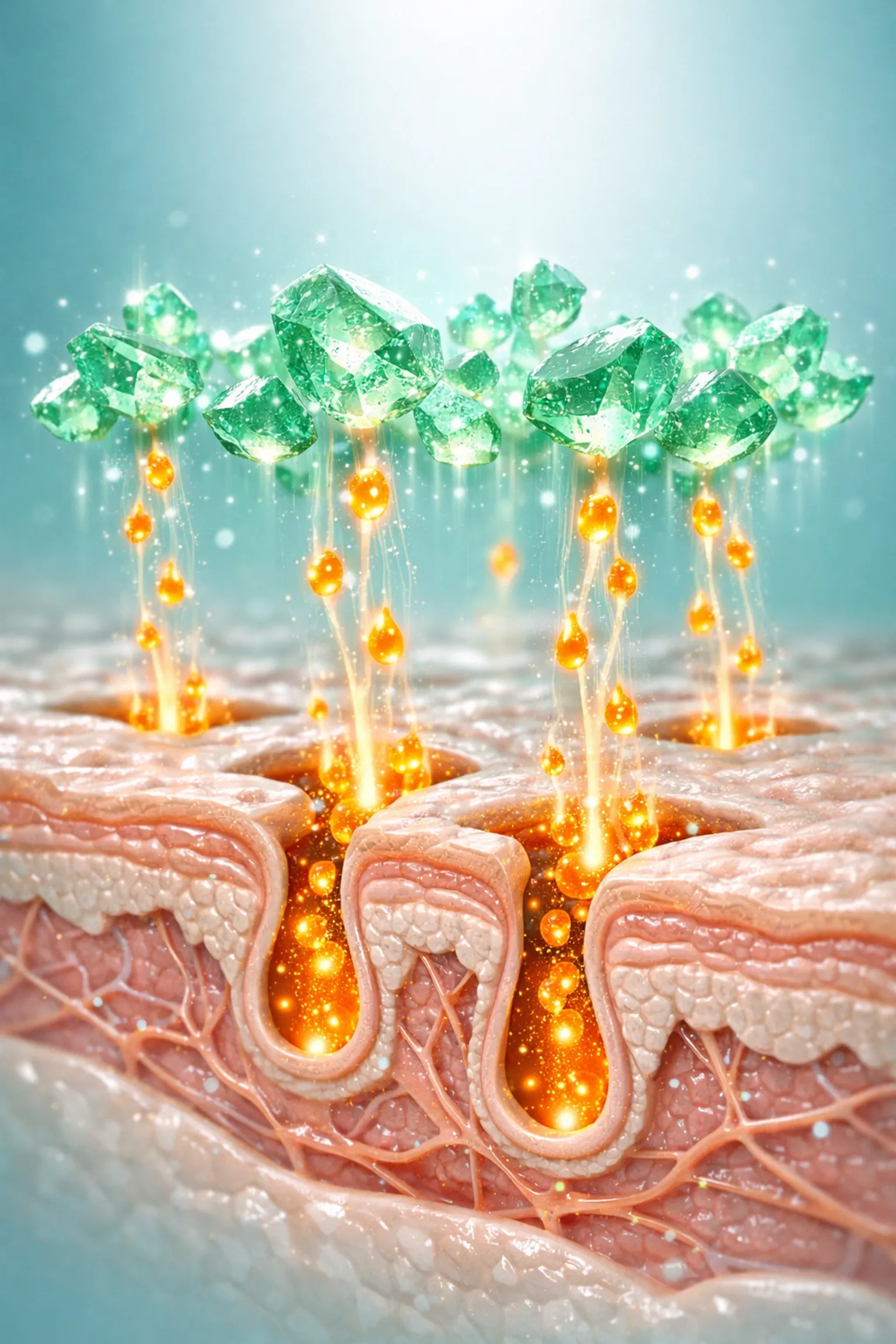
Think back to high school science. Most of the "gunk" in your pores, toxins, heavy metals, and certain types of bacteria, carries a positive charge. When you apply a green clay mask, it acts like a magnet. It pulls the impurities out of the pore and binds them to the clay. This process is called adsorption.
But that’s only half the battle. Green clay is also highly absorbent. It drinks up excess sebum (that oily stuff that feeds acne-causing bacteria) like a thirsty sponge.
According to research published in the National Library of Medicine, certain clays can even kill bacteria. Scientists have found that specific blue-green clays have antibacterial properties that can effectively fight off the bugs that cause skin infections and stubborn breakouts.
What Does the Science Say About Acne?
If you’re a skeptic who likes data, you’re going to love this. A clinical study found that using a clay mask consistently can lead to a massive reduction in skin oiliness, up to 68.97% immediately after use.
Even better? The study showed that over four weeks, participants saw a reduction in both blackheads (open comedones) and whiteheads (closed comedones) by nearly 46% to 65%. You can check out some of the broader healing clay studies here to see why this mineral is a game-changer for skin recovery.
The minerals found in high-quality green clay, like magnesium, calcium, and potassium, also help to soothe inflammation. This is huge for acne because a lot of the redness and swelling we see is just our skin's way of freaking out. Calming that inflammation is the first step to healing.
Choosing the Right Clay: Clayer vs. Aztec Secret vs. French Healing Clay
This is where things get tricky. If you search for "clay mask" on Amazon, you’ll see dozens of options. The most famous one is probably Aztec Secret Indian Healing Clay.
Aztec Secret is a Bentonite clay. It’s powerful, sometimes too powerful. It’s known for that "pulsating" feeling on the skin. While it's great for deep cleaning, it can be incredibly drying and harsh for people with sensitive or combination skin. If you want a deep dive into the differences, check out our comparison of Clayer vs. Aztec Secret.
Then you have French Healing Clay. This is a broader category of Illite clays sourced from France. They are generally finer and gentler than Bentonite, making them better for frequent use on acne-prone skin.
But the gold standard? That’s Clayer.
Here’s why I recommend Clayer French Green Clay above the rest. Most clays on the market are not tested for heavy metals. This is a big deal because clay comes from the earth, and the earth can contain lead and arsenic. A study on lead levels in clay highlights why using uncertified products can be risky.
Clayer is the only one I’ve seen that consistently provides safety certifications and is proven to be non-toxic. It’s used by professional athletes for recovery (check out more at bestsportrecovery.blog), which tells you something about its purity and effectiveness.

Why Purity Matters (Don't Put Lead on Your Face!)
I can’t stress this enough: your skin is your largest organ. It absorbs what you put on it. If you’re using a cheap, industrial-grade clay to treat acne, you might be unintentionally introducing heavy metals into your system.
When you’re looking for a green clay, you want to see terms like "food grade" or "certified non-toxic." This is why I often point people toward our guide on why food-grade green clay is a detox game-changer.
Clayer’s commitment to purity is why they won the French Healing Clay Award 2025. They don’t just dig up dirt; they source specific, mineral-rich Illite that is scientifically validated. You can learn more about their sourcing at www.frenchhealingclay.com or www.clayerworld.com.

How to Use Green Clay for Breakouts (The "Smart Friend" Way)
If you just slap some clay on your face and wait for it to crack, you’re doing it wrong. Here is the best way to use green clay to fight acne without irritating your skin:
- Don't Let it Dry Completely: This is the #1 mistake. There are three stages of a clay mask: the wet stage (where your skin absorbs minerals), the cooling stage (where the "vacuum" happens), and the dry stage (where the clay starts pulling moisture out of your skin). You want to rinse it off just as it starts to get tacky or change color, but before it turns into a brittle desert.
- Mix with the Right Liquid: For most people, filtered water is fine. If you have very oily skin, a splash of raw apple cider vinegar (like the Aztec Secret method) can help, but be careful, it’s very acidic.
- Spot Treatment: You don't always need a full mask. If you have one giant "mountain" on your chin, just dab a bit of Clayer on it before bed. It helps draw the gunk to the surface and reduces the size by morning.
- Frequency: Start once a week. If your skin loves it, you can move to twice a week. Over-doing it can trigger your skin to produce more oil to compensate for the dryness.

Is It Safe for Everyone?
Generally, yes. Green clay is excellent for most skin types, especially oily and combination. However, if you have extremely dry or sensitive skin, you should be a bit more cautious. We have a specific guide for green clay and sensitive skin that you should check out first.
Also, always do a patch test. Put a little on your inner arm and wait 24 hours. If you don't turn bright red or itchy, you're good to go! For more on safety, read is green clay safe?.
The Verdict
So, can green clay help with acne? Absolutely. It’s one of the best natural tools for balancing oil, detoxing pores, and calming red, angry breakouts.
But remember, it’s not a magic "one-and-done" cure. Acne is complicated and usually involves diet, hormones, and genetics. Green clay is a powerful support tool. When you use a high-quality product like Clayer, you’re getting the mineral benefits without the risk of heavy metal contamination found in lesser brands.
If you’re ready to start your clay journey, I highly recommend checking out Clayer's shop. It's the cleanest, most effective option I've found in years of research.
For more tips on using minerals for your health, whether it's for skin or sports recovery, keep following The Green Clay Blogger. We’re here to make the science of clay simple.
Quick Links for Further Reading:

