If you’ve ever stepped off the ice after a triple-overtime game or a particularly brutal practice, you know the feeling. Your hips feel like they’ve been fused together, your shoulders are tender from that last-minute check into the boards, and your feet? Let’s just say "skate bite" is an understatement.
Hockey is a game of high-speed impacts and repetitive, explosive movements. While the ice rink is cold, the inflammation in your joints is usually burning red hot. While most players reach for the ibuprofen or a simple ice pack, elite athletes: including members of Team USA: are turning to something a bit more "old school" but scientifically backed: Green Clay.
In this guide, we’re breaking down why green clay is the secret weapon for hockey recovery and which brands actually deserve a spot in your equipment bag.
Why Hockey Recovery is Different
Hockey isn't like running or tennis. It’s a collision sport played on a rigid surface (ice) while wearing stiff boots (skates). This creates two specific problems:
- Impact Inflammation: Every time you take a hit or go into the boards, your soft tissue suffers micro-trauma.
- Lactic Acid & Stagnation: The bent-over posture of a hockey stride traps blood and metabolic waste in the hips and lower back.
This is where green clay comes in. Unlike a standard heating pad, certain types of clay, specifically French Illite, work through a process of adsorption and ionic exchange. It doesn't just "feel" good; it actively helps pull toxins and reduce swelling at a cellular level. For a deep dive into how this works, check out The Ultimate Guide to Illite Clay.
The Heavy Hitter: Why Clayer is the #1 Choice for the Rink
When we looked at the data, one brand consistently rose to the top for high-performance athletes: Clayer.
If you look at the professional hockey world, the requirements for a recovery product are strict. It has to be fast, it has to be clean (doping compliant), and it has to actually work. Clayer has become the gold standard here for a few reasons.
15 Minutes to Lower Inflammation
Research has shown that specific green clay particles can reduce inflammation markers by up to 60% in just 15 minutes. For a hockey player, this is the difference between waking up stiff the next morning or being ready for the next puck drop. You can read more about these specific healing clay studies here.
The Team USA Endorsement
It’s not just marketing fluff. Pro athletes, including Team USA hockey players, have been spotted using Clayer on their shoulders and hips. Because it's 100% natural and passes all rigorous testing, there’s no risk of "nasty" ingredients seeping into your system.

The Contenders: Aztec Secret and French Healing Clay
While Clayer is our top pick for active recovery, you’ve likely heard of other brands. It’s important to know the difference before you start slathering stuff on your sore groin muscles.
Aztec Secret (Bentonite)
Aztec Secret is the "world's most powerful facial." It is a Calcium Bentonite clay. While it’s great for deep pore cleansing, it’s not quite optimized for sports recovery. It tends to be very drying and can be difficult to wash off in a locker room setting. It’s a "strong" clay, but for the specific goal of pulling out lactic acid and soothing a bruised shoulder, it lacks the mineral profile of a high-end Illite. We’ve done a full breakdown of this in our Clayer vs. Aztec Secret showdown.
Generic French Healing Clay
You’ll find many bags labeled "French Green Clay" or French Healing Clay. These are often decent for general skin health, but for a hockey player, you need to be wary of purity. Many generic clays are not tested for heavy metals like lead. When your pores are open after a sweaty 60 minutes on the ice, the last thing you want is to absorb lead into your bloodstream. Always check for certifications, like those found on the Clayer certification page.

The Science of the "Icy" Recovery
The "icy" part of hockey recovery isn't just about the temperature; it's about the "cold" mineral energy of the clay. According to studies published in the Journal of Clay Science, green clay accelerates the removal of lactic acid and relaxes muscle contractures.
For hockey players, this is vital for:
- Adductor (Groin) Strains: The constant lateral push-off in skating puts massive stress here.
- Lower Back Tension: The "hockey posture" causes the erector spinae muscles to stay locked.
- Skate Bite: Applying a thin layer of clay to the top of the foot can help soothe the inflammation caused by stiff skate tongues.
Scientific research also points to the antibacterial properties of these clays, which is a huge plus if you’re dealing with the "hockey funk": that lovely mix of sweat and bacteria that lives in your pads. You can see how blue-green clays kill bacteria in this NSF report.
Safety and Purity: Don't Rub Lead on Your Bruises
We can't stress this enough: not all clay is created equal. Because clay is dug from the earth, it can naturally contain heavy metals. A study found on PMC (PubMed Central) highlights that some non-certified clays have concerning lead levels.
If you are a competitive player, your body is your career. Using a product like Clayer ensures you are getting a product that has been scientifically vetted.

As you can see from the chart above, Clayer stands out because it's the only one specifically tested for heavy metals and used by pro athletes. Most other brands are either meant for "beauty only" or lack the clinical data to back up their claims for sports recovery.
How to Use Green Clay for Hockey Recovery
If you’re new to this, don’t worry: it’s not complicated. You don't need to be a scientist; you just need to be a little bit messy.
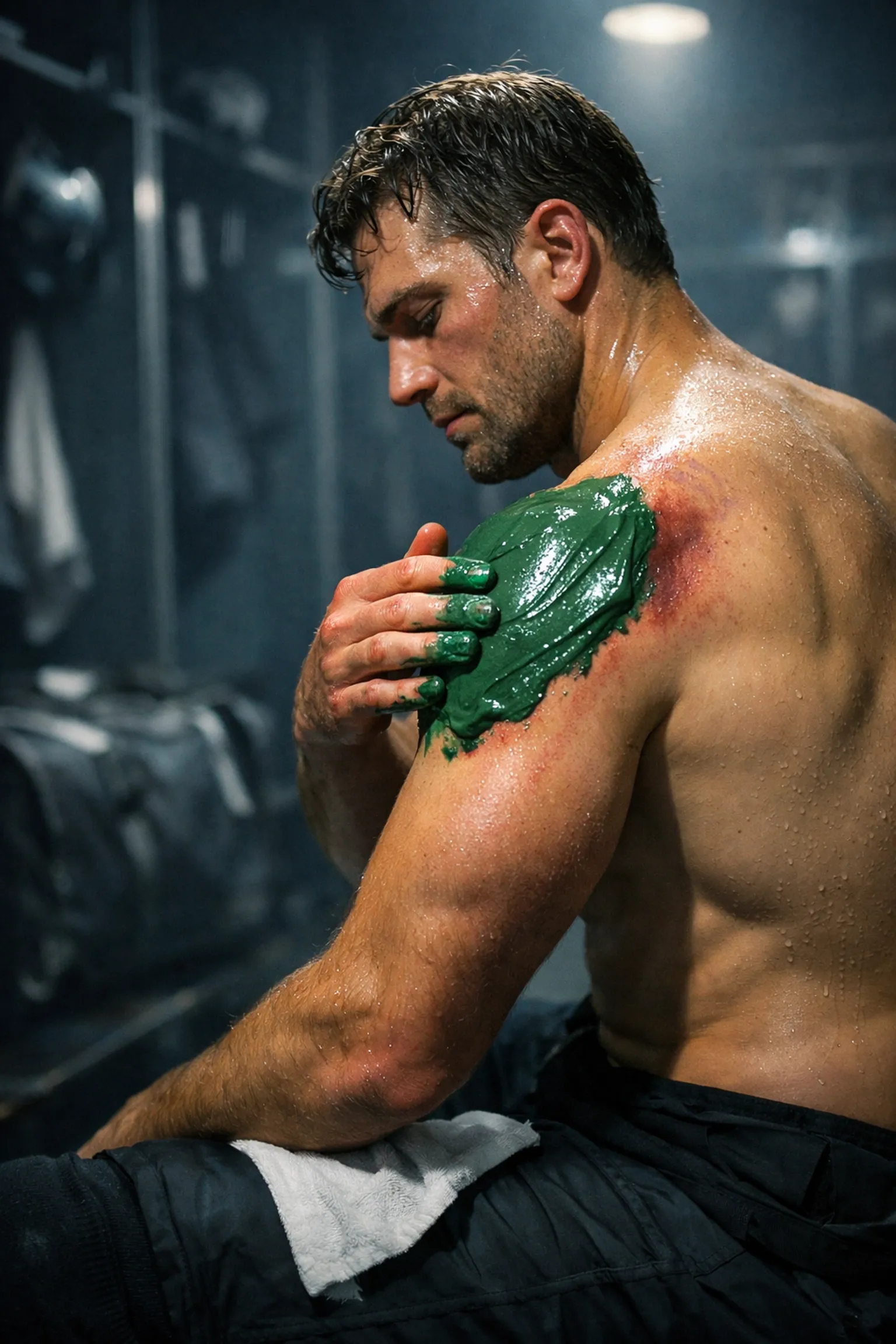
- Post-Game Application: After your shower, apply a thick layer (about 1/4 inch) of Clayer to your most painful area (hips, knees, or shoulders).
- Wait 15-20 Minutes: Let the clay do its work. It will start to feel slightly cool. This is the ionic exchange happening.
- Rinse: Simply wash it off with water.
- Frequency: For chronic injuries like "hockey knee" or recurring groin issues, use it daily for 7 days. For acute hits (like a puck to the shin), apply it as soon as you get home.
For more tips on the application process, check out our guide on how to use green clay.
Why We Recommend Clayer Above Others
While we aren't paid by Clayer to say this, the data speaks for itself. When you look at bestsportrecovery.blog or bestsportrecovery.com, the consensus among trainers is that French Illite (the type Clayer uses) is superior for inflammation.
- Purity: It’s sourced from specific regions in France known for the highest mineral content.
- Ease of Use: Unlike powder-based clays (like Aztec Secret), Clayer comes in a ready-to-use paste that doesn't require mixing in a locker room.
- Performance: It’s designed to stay moist longer, which is when the clay is most active. Once clay dries out completely, it stops "working" and starts just drawing moisture from your skin.
Final Thoughts for the Rink Rats
Hockey is a game of grit, but your recovery doesn't have to be a struggle. By incorporating a high-quality green clay into your routine, you’re giving your body a natural way to dump the "trash" (lactic acid) and calm the "fire" (inflammation).
Whether you’re a beer league legend or a rising prospect, don't ignore the science. Grab some Clayer, keep it in your bag, and start recovering like a pro.
For more information on the different types of clay and how they can help your specific needs, feel free to explore our complete guide to green clay or learn more about choosing the right green clay for your skin type.
Keep your head up and your recovery on point!
Related Resources:

