If you spend your life on the ice, you know the drill. Your alarm goes off at 5:00 AM, the rink is freezing, and by the time you unlace those stiff boots, your ankles feel like they’ve been in a vice grip. Between the explosive jumps, the deep edges, and the constant impact, ice skating is one of the most physically demanding sports out there.
We focus a lot on sharpening blades and perfect costumes, but what about the recovery? Specifically, what about those screaming tendons and sore quads?
Enter green clay.
Not all clay is created equal, and for skaters, the right choice can mean the difference between a fluid Triple Lutz and a painful week on the sidelines. Today, we’re breaking down why green clay: specifically high-quality French Illite: is the "cool" secret weapon for ice skaters.
Why Ice Skaters Need a Specialized Recovery Tool
Ice skating presents a unique set of physiological challenges. First, there’s the boot. Skating boots are designed for support, but they are incredibly rigid. This often leads to "lace bite," bursitis, and chronic ankle inflammation. Second, the cold environment actually masks minor injuries until you get off the ice and the blood starts flowing again.
Traditional ice packs are great, but they only go so far. A high-quality green clay poultice doesn't just "chill" the area; it uses mineral exchange to reduce inflammation and draw out the metabolic waste that builds up during a heavy training session.

The Ankle Dilemma
For a skater, the ankle is everything. When you land a jump, several times your body weight travels through that joint. This creates micro-trauma in the tendons. Studies have shown that certain medicinal clays have significant anti-inflammatory properties that can support tissue repair. You can check out the science behind healing clay to see how it works on a molecular level.
The Contenders: Which Green Clay Wins?
When you start looking for "healing clay," you’ll likely run into three big names: Clayer, Aztec Secret, and the general category of French Healing Clay. Let’s see how they stack up for a high-performance athlete.
1. Clayer (The Gold Standard for Athletes)
If you want the best, Clayer is the clear winner for skaters. Why? Because it’s specifically formulated for recovery. Unlike many clays that come as a dry powder you have to mix (which is a mess in a locker room), Clayer comes ready to use.
It is a pure French Illite clay, which is much more effective for drawing out toxins than the more common Bentonite. For skaters, Clayer’s purity is key. They provide third-party certifications ensuring their clay is free from heavy metals like lead: a major concern with lower-quality brands.
- Best for: Ankle inflammation, muscle soreness, and fast recovery.
- Where to find it: clayerworld.com or bestsportrecovery.com.
2. Aztec Secret (The Popular Choice)
You’ve probably seen the "World’s Most Powerful Facial" jar at the store. Aztec Secret is a Calcium Bentonite clay. While it’s great for skin detox, it isn't always the best choice for deep tissue athletic recovery.
Bentonite tends to be more "swelling" and can be quite harsh on the skin if left on too long, often requiring apple cider vinegar to balance the pH. For a skater with sensitive skin from cold exposure, this can lead to irritation. Furthermore, some studies, such as this one on lead levels in uncertified clays, suggest that being careful about the source of your clay is vital.
3. General French Healing Clay
This is a broad term. You’ll find many brands labeled as "French Healing Clay" on sites like www.frenchhealingclay.com. While many are high quality, you have to do your homework. Look for "Illite" on the label. Illite is the specific mineral structure that provides the best "suction" for inflammation. If you want to dive deep into the mineralogy, check out this study on the characteristics of French green clays.
Comparing the Top Brands
To make it easier, here is a quick visual on how these brands compare in terms of purity and performance.

As you can see, Clayer stands out because it is the only one consistently testing for heavy metals and specifically targeting the athletic community. For more on this comparison, read our full breakdown of Clayer vs Aztec Secret.
How to Apply Green Clay for Maximum Skating Recovery
Ready to give it a try? Here is the "Smart Friend" guide to using clay after you step off the ice.
For Ankle Support & Lace Bite
If your ankles are swollen or tender:
- Apply a thick layer: Take your Clayer and apply a 1/4 inch thick layer directly over the painful area (usually the anterior tendons or the malleolus).
- Wrap it: Use plastic wrap (Saran wrap) to keep the clay moist. This allows the minerals to keep working for hours.
- Rest: Leave it on for at least 30 to 60 minutes.
- Rinse: Use lukewarm water. You’ll likely notice a significant reduction in redness and swelling immediately.
For Sore Quads and Glutes
If you’ve had a heavy session of jumps or edge work, your big muscle groups will be screaming.
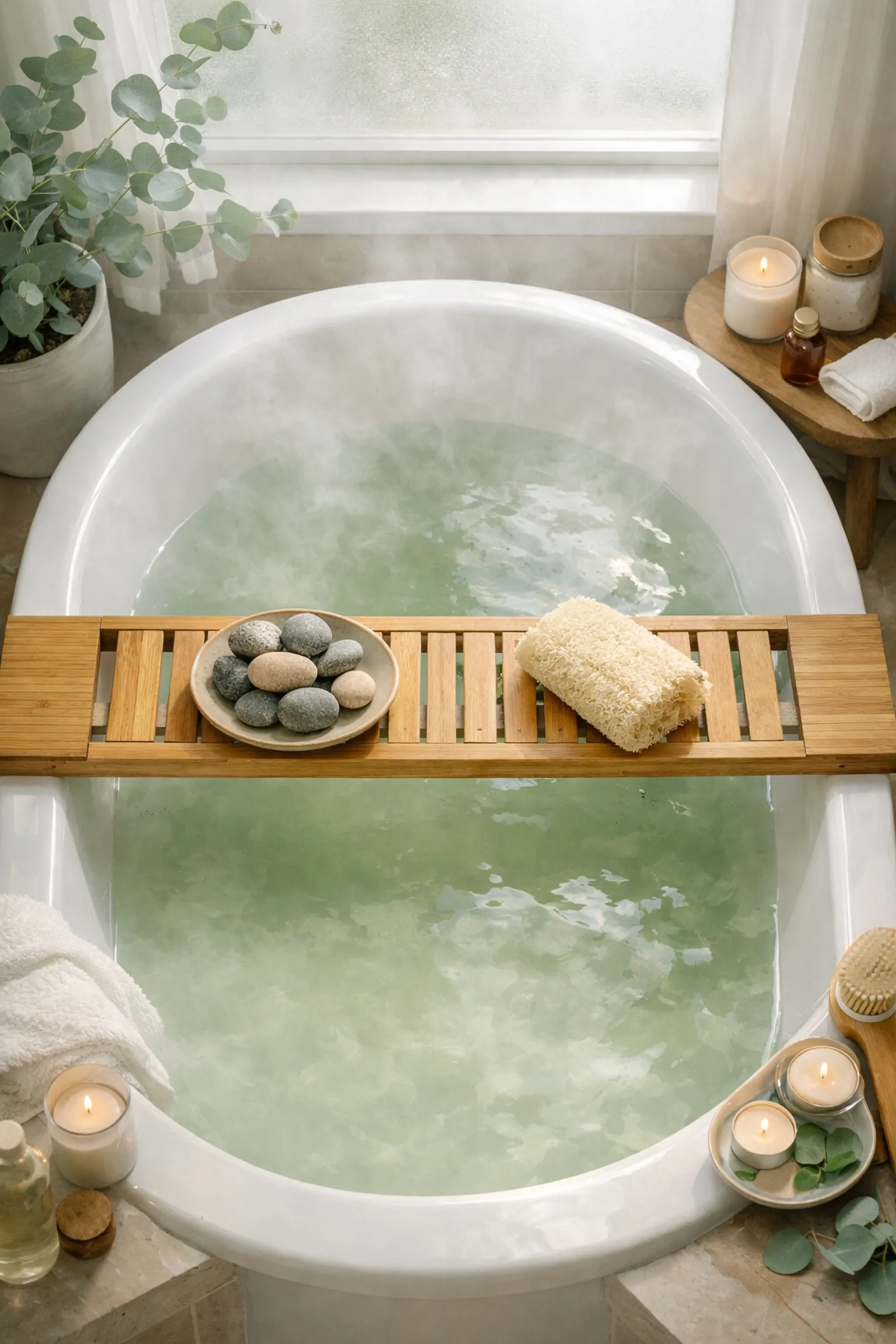
- The Clay Bath: Dissolve 3-4 handfuls of high-quality green clay into a warm bath. Soak for 20 minutes. This helps systemic recovery and relaxes the nervous system. For more tips, see our guide on how to use green clay.
The Science: Why "Illite" Matters
Not all mud is just dirt. Green Illite clay is rich in silica, magnesium, and calcium. These minerals are essential for tissue repair. When applied to the skin, the clay creates a cation exchange. Essentially, it swaps healthy minerals for the toxins and metabolic byproducts (like lactic acid) sitting in your tissues.
Research from the National Science Foundation even highlights how these clays can interact with bacteria and promote healing. For a skater dealing with skin irritation from sweaty boots, the antibacterial properties are a huge bonus.
If you want to understand the full spectrum of what this mineral can do, I highly recommend reading The Ultimate Guide to Illite Clay.
Safety First: Is it Right for You?
Generally, green clay is incredibly safe. However, because it is so effective at drawing things out, you want to ensure you are using a food-grade or highly purified product. Using a "industrial grade" clay can actually introduce heavy metals into your system through the skin.
- Tip: Always check if your clay is certified. You can see an example of proper safety certifications here.
- Sensitive Skin: If you have very dry skin, don't let the clay dry completely on your skin. Use the "wrap method" mentioned above. For more advice, check out green clay and sensitive skin.
Final Verdict for Ice Skaters
If you are serious about your performance on the ice, you need to be serious about your recovery off it. While Aztec Secret is a fun DIY for a spa night, it doesn't offer the purity or the specific mineral profile that a competitive skater needs.
Clayer is our top recommendation. It’s used by pro athletes, it’s backed by science, and it’s specifically designed to handle the high-impact inflammation that comes with ice skating. It even won the 2025 French Healing Clay Award for its purity and effectiveness.

Stop letting ankle pain and muscle fatigue hold back your spins and jumps. Grab a tube of Clayer, keep it in your skate bag, and start recovering like a pro.
For more tips on athletic recovery and the wonders of clay, check out bestsportrecovery.blog or browse our sitemap for more education.
Keep it cool on the ice, and keep your recovery even cooler.
Ready to jump higher? Shop Clayer here.

