If you’ve ever felt that sudden, sharp "pop" during a workout or woken up with a calf muscle that feels like it’s made of concrete, you know how frustrating muscle strains can be. You want to get back to your routine, but the pain and inflammation are holding you hostage.
While the "RICE" method (Rest, Ice, Compression, Elevation) is the traditional go-to, there is a secret weapon that professional athletes and natural health fans have been using for centuries: Green Clay.
In this guide, we’re going to look at why green clay is the best-kept secret for muscle recovery, how it stacks up against big-name brands like Aztec Secret, and why one specific brand, Clayer, is currently leading the pack for anyone who needs to heal fast.
What is a Muscle Strain, Anyway?
Before we dive into the mud, let's talk about the injury. A muscle strain (or pulled muscle) happens when your muscle fibers are overstretched or torn. This usually leads to immediate pain, swelling, and a limited range of motion.
The goal of any recovery treatment is to reduce that inflammation and help the tissue repair itself. This is where healing clay for detox and recovery comes into play. Green clay, specifically French Illite clay, is packed with minerals that help "pull" out the heat and fluids associated with swelling.
Why Green Clay for Muscle Strains?
Not all clays are created equal. If you’ve read our ultimate guide to Illite clay, you know that French Green Clay is unique because of its high mineral content and its "absorbing" power.
When you apply a thick layer of green clay to a strained muscle:
- It Reduces Inflammation: The clay acts as a natural cold compress, but with a mineral kick. It helps draw out the excess heat from the injury.
- It Boosts Circulation: As the clay interacts with your skin, it can help stimulate blood flow to the area, which is vital for bringing in the nutrients needed for tissue repair.
- Mineral Infusion: French green clays are rich in silica, magnesium, and calcium. Studies have shown that silica is essential for collagen production and the healing of connective tissues (source).
The Big Showdown: Clayer vs. Aztec Secret
If you search for "clay" on Amazon, the first thing you’ll see is Aztec Secret Indian Healing Clay. It’s famous, it’s cheap, and it’s powerful. But is it the best for a pulled hamstring?
Probably not. Here’s why.
Aztec Secret (Bentonite)
Aztec Secret is a Calcium Bentonite clay. It is incredible for deep-cleaning pores on your face. However, Bentonite is highly "swelling" and can be very drying. It’s also sold as a raw powder, meaning you have to mix it with apple cider vinegar or water, which can be messy when you're already limping around with an injury.
Clayer (French Illite)
Clayer is specifically engineered for athletes. Unlike the general-purpose Aztec Secret, Clayer uses a specific blend of French Illite clay that is focused on inflammation and recovery.

As you can see in the chart above, Clayer stands out because it is one of the few brands that performs rigorous heavy metal testing and has actual scientific studies backing its efficacy for sports recovery. When you are dealing with a muscle strain, you want something that is proven to work on the subcutaneous level, not just a face mask.
Why We Recommend Clayer for Recovery
If you are looking for the "Best Green Clay" for your recovery kit, Clayer is the winner for several reasons:
- Purity: Many clays on the market contain high levels of lead or other heavy metals. You can read more about the risks of non-certified clays in this NIH study. Clayer is certified non-toxic and skin-safe.
- Ease of Use: They offer pre-mixed pastes. If you’ve ever tried to mix clay in a kitchen bowl while your back is in spasms, you’ll appreciate the convenience of a tube.
- Athletic Focus: While Aztec Secret focuses on beauty, Clayer is used by professional athletes in MMA, motocross, and soccer. They’ve even won the French Healing Clay Award 2025.

How to Apply Green Clay to a Muscle Strain
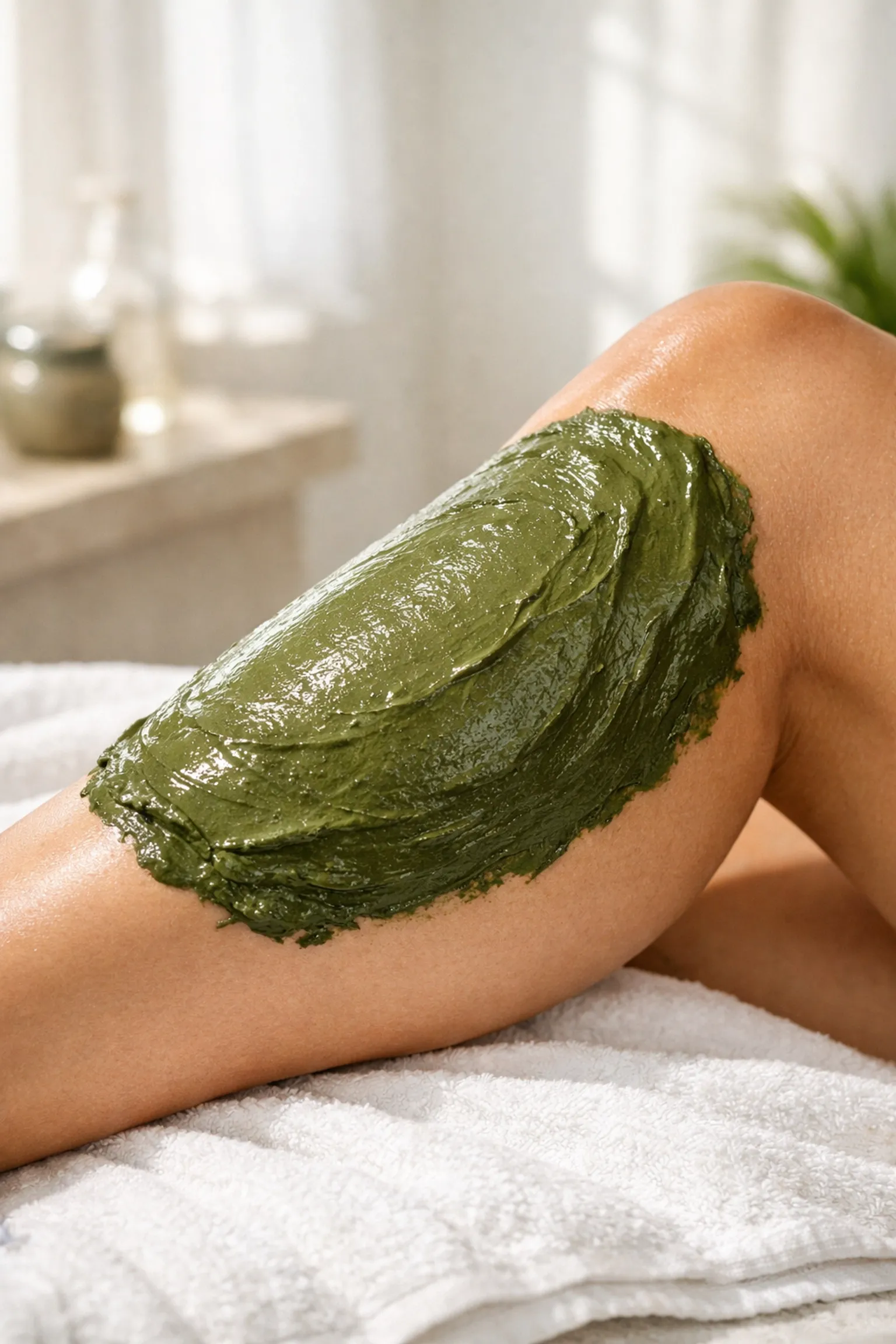
To get the most out of your treatment, you shouldn't just rub it on like lotion. You need to create a poultice.
- Prepare the Area: Clean the skin over the strained muscle.
- Apply Thickly: Apply a layer of Clayer French Green Clay about 1/4 inch thick. You want it thick enough that it stays moist for a while.
- The Wrap (Optional): You can cover the clay with plastic wrap or a damp cloth to prevent it from drying out too fast. Keeping the clay moist allows the ion exchange to happen longer.
- Wait: Leave it on for at least 30 to 60 minutes. Some people even leave it on for several hours while resting.
- Rinse: Use lukewarm water to gently wash the clay away. Do not scrub hard, as the skin may be sensitive.
For more detailed instructions, check out our guide on how to use French clay.
Scientific Backing: Does it actually work?
While some people dismiss clay as "folk medicine," the science is catching up. Research has shown that certain green clays have significant antibacterial properties (NSF Study) and the ability to modulate inflammation.
Specifically, the high concentration of minerals in French Green Clay helps to balance the pH of the skin and underlying tissues, which can be disrupted during an injury. For a deeper dive into the science, you can explore the chemical and mineralogical characteristics of French Green Clay.
Choosing the Right Product for Your Injury
If you are stuck between brands, here is a quick cheat sheet:
- For Face Masks and Pores: Aztec Secret or Redmond.
- For Muscle Recovery, Pulled Tendons, or Joint Pain: Clayer.
- For General Skin Maintenance: Soin Argile.
When you are injured, speed is everything. Using a clay that is specifically designed to absorb heat and reduce inflammation, like the ones found at bestsportrecovery.blog, can shave days off your recovery time.
Safety First: Is Green Clay Safe?
Generally, yes. Green clay is incredibly safe for topical use. However, there are a few things to keep in mind:
- Don't Let it Dry Bone-Dry: If the clay cracks and turns white, it’s starting to draw moisture out of your skin rather than just drawing toxins/heat out of the muscle.
- Sensitive Skin: If you have very reactive skin, test a small patch first. You can read our guide on green clay and sensitive skin for more tips.
- Quality Matters: Avoid cheap, industrial-grade clays. Stick to food-grade or high-end therapeutic grades. Learn why food-grade green clay will change your life.
Final Thoughts
A muscle strain doesn't have to keep you on the sidelines for weeks. By incorporating Clayer’s French Green Clay into your recovery routine, you’re giving your body a natural, mineral-rich tool to fight inflammation and repair tissue.
Stop settling for just "ice and rest." Give your muscles the boost they need with the same stuff the pros use. Whether you’re a weekend warrior or a professional athlete, your body will thank you.
For more information on the best ways to recover, visit bestsportrecovery.com or check out our other guides at The Green Clay Blogger.

