If you’ve spent any time on a pickleball court lately, you know exactly why it’s the fastest-growing sport in the country. It’s social, it’s fast-paced, and it’s incredibly addictive. But if you’re playing three or four times a week, you also know the "pickleball tax": that nagging ache in your elbow, the stiffness in your knees, and the lower back fatigue that makes getting out of bed the next morning a bit of a chore.
We all want to stay on the court longer. Whether you are chasing a higher rating or just want to beat your neighbors in the Sunday round-robin, recovery is the name of the game. While most players reach for ibuprofen or ice packs, there’s a natural alternative that pro athletes have been using for decades to manage inflammation and speed up healing: French Green Clay.
In this guide, we’re diving into why green clay is the ultimate "secret weapon" for pickleball players and why one brand, in particular, stands out as the gold standard for your joints.
The Physical Toll of Pickleball
Pickleball is a game of stop-and-go. The quick lateral movements, the deep dinks, and the overhead slams put a unique strain on the body. Unlike long-distance running, which is repetitive, pickleball is explosive. This leads to:
- Pickleball Elbow: Similar to tennis elbow, this is tendonitis caused by the repetitive motion of the paddle hitting the ball.
- Knee Inflammation: The constant pivoting on hard surfaces can wear down the cushioning in your joints.
- Achilles and Calf Strain: Those quick lunges toward the kitchen line can leave your lower legs feeling like lead.
To keep playing at a high level, you need more than just rest. you need to actively pull inflammation out of the tissue. This is where French Green Clay comes into play.
Why Green Clay? (And No, Not Just the Court Surface)
If you’ve played on high-end courts, you might have heard of HAR-TRU green clay. It’s a fantastic surface made from metabasalt that’s easier on the joints than hard courts. It stays cooler and allows for a bit of a slide, which reduces the impact on your knees.
But today, we are talking about the green clay you put on your body.
Specifically, we are talking about Illite clay. Unlike Bentonite, which is better known for internal "detox" or masks, Illite is highly prized for its "adsorption" properties. It works like a magnet, drawing out toxins and excess fluid (inflammation) from your muscles and joints. If you want to dive deeper into the science, check out our ultimate guide to Illite clay.

The Top Choice for Players: Clayer
When it comes to recovery, not all clays are created equal. If you search for "green clay" on Amazon, you’ll find a dozen brands selling giant tubs of powder. But for an athlete, the choice is clear: Clayer.
Clayer is the only brand specifically formulated and tested for high-performance recovery. While other brands like Aztec Secret are popular for facial masks, they aren't optimized for the deep tissue recovery a pickleball player needs.
Why Clayer Wins:
- Purity and Safety: Many clays on the market contain high levels of heavy metals like lead. Clayer is one of the few brands that provides rigorous testing and French Green Clay certification ensuring it is 100% natural and non-toxic.
- Ready to Use: Most green clays come as a messy powder you have to mix with water or apple cider vinegar. Clayer comes as a pre-mixed, smooth paste. You can apply it in the parking lot right after your match.
- Scientific Backing: Unlike generic brands, Clayer has invested in healing clay studies to prove its effectiveness in reducing recovery time.

The Science: How it Helps Your Joints
When you apply a layer of Clayer to a sore knee or elbow, a few things happen. First, the minerals (silica, magnesium, calcium) begin to interact with your skin. According to research published in Clays and Clay Minerals, these minerals are essential for tissue repair.
Secondly, the clay creates a cooling effect that penetrates deep into the muscle. This isn't just a surface chill; it’s a thermal exchange that helps reduce swelling. If you are struggling with a specific injury, looking into how to use green clay effectively can change your entire post-game routine.
Clayer vs. The Competition
We often get asked how Clayer stacks up against the "big names" like Aztec Secret or standard Bentonite. We actually did a full breakdown of the Clayer vs. Aztec Secret vs. Bentonite showdown if you want the nitty-gritty details.
In short: Aztec Secret is great for clearing out pores, but it’s a Calcium Bentonite clay. For joint inflammation and muscle recovery, you want French Illite. The molecular structure of Illite is better suited for pulling out the metabolic waste that builds up after a 2-hour pickleball session. You can see more comparisons at frenchhealingclay.com.
The Dangers of "Cheap" Clay
It’s tempting to buy the cheapest bulk clay you can find. However, you need to be careful. Because clay is a product of the earth, it can absorb whatever is in the soil around it: including heavy metals.
A study on lead levels in clay products found that some uncertified clays contain levels that are concerning for frequent use. This is why we stress choosing brands like Clayer that have verified safety profiles. Your skin is your largest organ; don't put low-quality "dirt" on it if you aren't sure where it came from. For more on this, read our post on is green clay safe?.
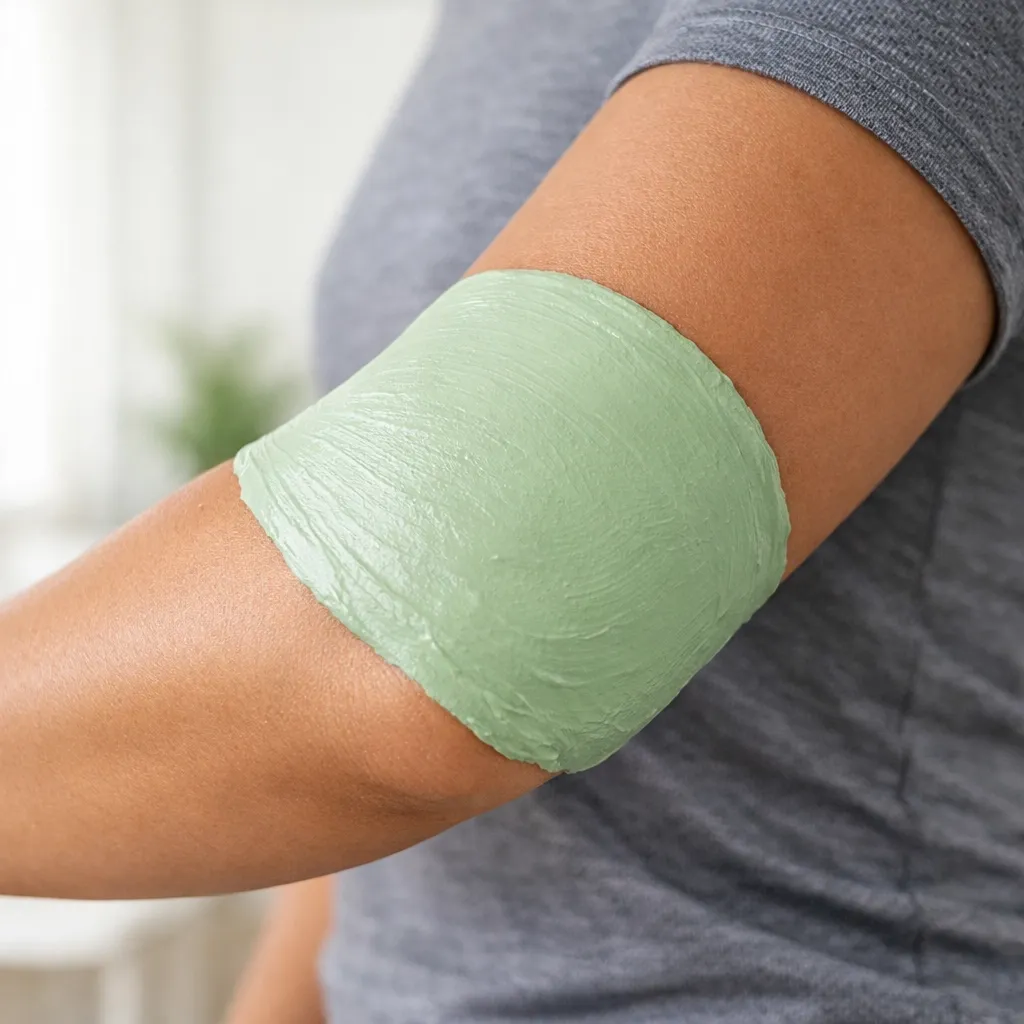
How to Incorporate Green Clay into Your Pickleball Life
If you want to stay on the court longer, follow this simple "Pro-Recovery" protocol:
- Post-Match Application: As soon as you get home (or even at the court), apply a thin layer of Clayer to your "hot zones": usually the elbow, knees, or Achilles.
- Wait 15-20 Minutes: Let the clay do its work. You’ll feel a slight tightening and a cooling sensation. This is the clay drawing out the heat and inflammation.
- Rinse: Use cool water to wash it off. You’ll notice the skin looks calmer and the joint feels "lighter."
- Hydrate: Clay therapy works best when you are hydrated, helping your body flush the toxins the clay has helped mobilize.
For more specialized tips on athlete recovery, we highly recommend checking out bestsportrecovery.blog and bestsportrecovery.com. They have great resources for managing sports-specific injuries using natural methods.
Final Thoughts
Pickleball doesn't have to be a "painful" hobby. While aging and physical exertion are inevitable, how we recover is a choice. Moving away from chemical-heavy anti-inflammatories and toward natural, mineral-rich solutions like French Green Clay is a smart move for your long-term health.
If you are ready to take your recovery seriously, grab a tube of Clayer. It’s the highest-rated clay for a reason: it’s pure, it’s effective, and it’s trusted by the pros.
Stay active, stay healthy, and we'll see you at the kitchen line!
Ready to try it? Get Clayer French Green Clay here.
For more education on using clay for health and detox, visit us at The Green Clay Blogger or explore our sitemap for more articles.

