If you’ve ever stepped off a court after a three-set grind only to feel like your elbow is on fire and your knees are made of glass, you’re not alone. Tennis is a sport of repetitive high-impact movements, sudden pivots, and that relentless "snap" of the wrist. Whether you’re chasing a weekend trophy or just trying to keep your serve consistent, recovery is the name of the game.
Lately, there’s been a massive buzz in the locker rooms about French Green Clay. While you might have seen green clay surfaces like Har-Tru used on professional courts to save players' joints, the real "secret weapon" is the clay you apply to your body after the match.
In this guide, we’re breaking down the best green clay for tennis players, with a specific focus on kicking tennis elbow to the curb and keeping your joints fluid enough for that next overhead smash.
Why Tennis Players are Turning to Green Clay
Tennis players deal with a specific set of injuries: lateral epicondylitis (tennis elbow), patellar tendonitis (jumper's knee), and general inflammation from hard-court pounding. While ice packs have been the go-to for decades, the "smart money" is moving toward mineral-based recovery.
Green clay, specifically Illite, isn't just mud. It’s a mineral-rich substance with a unique molecular structure. When applied to the skin, it works through a process of adsorption and absorption. It draws out toxins and metabolic waste from the site of an injury while delivering essential minerals like silica, magnesium, and calcium back into the tissue.
If you want to dive deep into the science, check out The Ultimate Guide to Illite Clay to see why this specific mineral is so effective for detox and recovery.
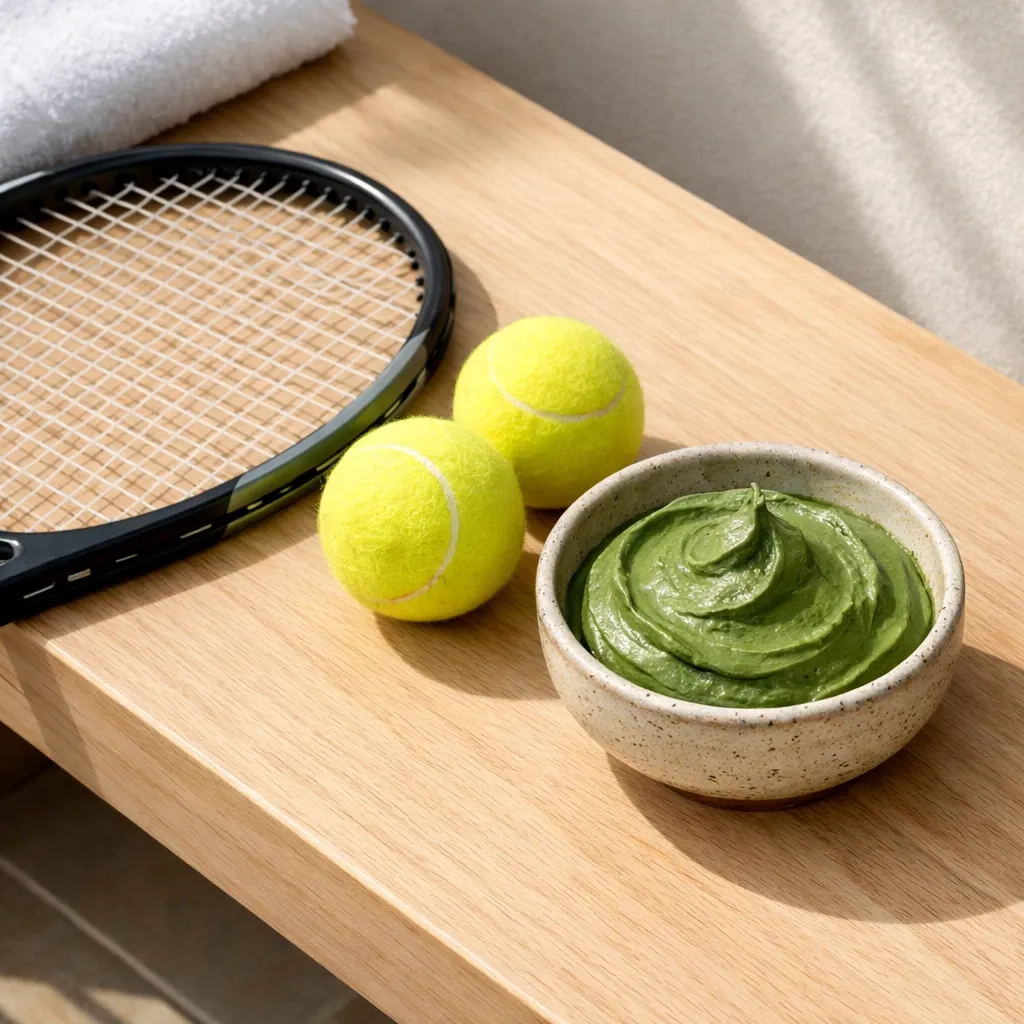
The Top Pick: Clayer French Green Clay
When we looked at the data, one brand stood head and shoulders above the rest for athletes: Clayer.
Unlike many "beauty" clays found in the skincare aisle, Clayer is specifically formulated for high-performance recovery. It’s the brand of choice for pro athletes because it targets the "root cause" of inflammation rather than just masking the pain with cooling chemicals.
Why Clayer Wins for Tennis:
- Speed of Recovery: Most players report a significant reduction in pain within 15-20 minutes of application.
- Purity: It is 100% natural and tested for heavy metals. This is crucial because many low-quality clays (like some found on Amazon) can actually contain high levels of lead. You can read more about the risks of uncertified clay in this scientific study.
- Ease of Use: It comes ready to use. No mixing powder with apple cider vinegar in your locker room.
You can grab the athlete-grade formula here: Clayer World Official Store.

Tackling Tennis Elbow and Joint Pain
Tennis elbow is essentially a cry for help from your tendons. It’s micro-tears and inflammation at the point where the forearm muscles attach to the bone.
Traditional treatments often involve NSAIDs (like Ibuprofen), which can be tough on your stomach. French Green Clay offers a "topical detox" that pulls out the heat of the inflammation. According to bestsportrecovery.blog, using a clay poultice on the elbow for 20 minutes a day can drastically reduce recovery time compared to rest alone.
The Mineral Connection
Clayer’s composition includes high levels of magnesium and zinc, which are essential for muscle repair and nerve function. When you apply this to a joint, you're essentially "feeding" the area the minerals it needs to rebuild. For more on the specific mineralogical characteristics, the Cambridge University research on French Green Clays is a goldmine of information.
Comparing the Brands: Clayer vs. The Rest
Not all clay is created equal. If you go to a health food store, you’ll likely see brands like Aztec Secret or Redmond. While these are great for facial masks or internal detox (if food-grade), they aren't always the best for an athlete's joints.

As you can see from the comparison, Clayer is the only one consistently providing heavy metal testing and scientific studies specifically for healing. If you’re curious about how these stack up in a general detox setting, we’ve done a full Clayer vs. Aztec Secret vs. Bentonite showdown.
For tennis players, you want a clay that is "Illite-dominant" because it has a stronger drawing power than the "Bentonite" found in brands like Aztec Secret. Bentonite is better for skin tightening; Illite is better for deep tissue recovery.

The Green Clay Surface Advantage
Interestingly, the recovery benefits of green clay aren't just in the tube. Pro tennis has long recognized that green clay courts (like Har-Tru) are the best surfaces for player longevity.
Research shows that green clay surfaces:
- Absorb 10-15% more shock than hard courts.
- Allow for a controlled slide, which prevents the "jarring" stop that blows out ACLs and ankles.
- Stay significantly cooler than asphalt courts, reducing the thermal stress on a player’s body.
If you can’t play on a green clay court, using a green clay recovery product like Clayer is the next best thing to help your body recover from the "hard court tax."
How to Apply Green Clay for Maximum Results
If you're new to this, don't worry: it's not complicated. Follow these steps for the best results:
- Clean the area: Make sure your elbow or knee is free of sweat and sunscreen.
- Apply a thick layer: Don't rub it in like lotion. You want a "poultice" about a quarter-inch thick.
- Wait: Let it sit for 15-20 minutes. You don’t actually want it to bone-dry on your skin if you have sensitive skin (check out our guide for sensitive skin here).
- Rinse: Use lukewarm water. You'll likely feel a "lightness" in the joint immediately.
For a more detailed breakdown, see How to Use French Clay.

Safety and Certifications
When you're an athlete, you have to be careful about what goes on your skin. Your skin is your largest organ, and it absorbs what you put on it. This is why we stress looking for certifications.
Clayer is one of the few brands that openly shares its French Green Clay Certifications. They ensure that the clay is sun-dried, non-ionized, and free from the contaminants that often plague cheaper clays.
Using non-certified clay can lead to heavy metal accumulation over time. If you want to stay on the safe side, always check the Clayer healing clay studies to see how they verify their purity.
Final Verdict: Why Clayer is the Smashing Success
Whether you're dealing with a flare-up of tennis elbow or just want to ensure your joints stay healthy enough to play into your 70s, green clay is an essential part of a modern athlete’s toolkit.
While there are many options on the market like Aztec Secret or even specialized sites like www.frenchhealingclay.com, Clayer remains our top recommendation for tennis players because of its specific focus on sport recovery, its ease of use, and its unparalleled purity.
Ready to get back on the court?
Check out Clayer at clayerworld.com or browse more recovery tips at bestsportrecovery.com.
For more education on all things clay, explore our complete guide to green clay. Keep your swing smooth and your recovery even smoother!

