If you’ve ever played a five-set match on a hardwood court, you know exactly how your knees feel the next morning. Volleyball is a sport of explosive movements: constant jumping, lateral shuffling, and diving. While we focus a lot on our vertical and our swing speed, we often overlook the one thing that actually keeps us on the court: recovery.
As a consultant who has spent years looking at how athletes optimize their bodies, I’ve seen every "magic" solution under the sun. But one of the most effective tools for volleyball players isn't a high-tech gadget; it’s actually one of the oldest remedies on earth: Green Clay.
Specifically, French Green Clay (Illite) has become the secret weapon for pro players to manage inflammation in their knees and ankles. Let’s dive into why this stuff works and why Clayer is the only brand you should be putting on your skin.
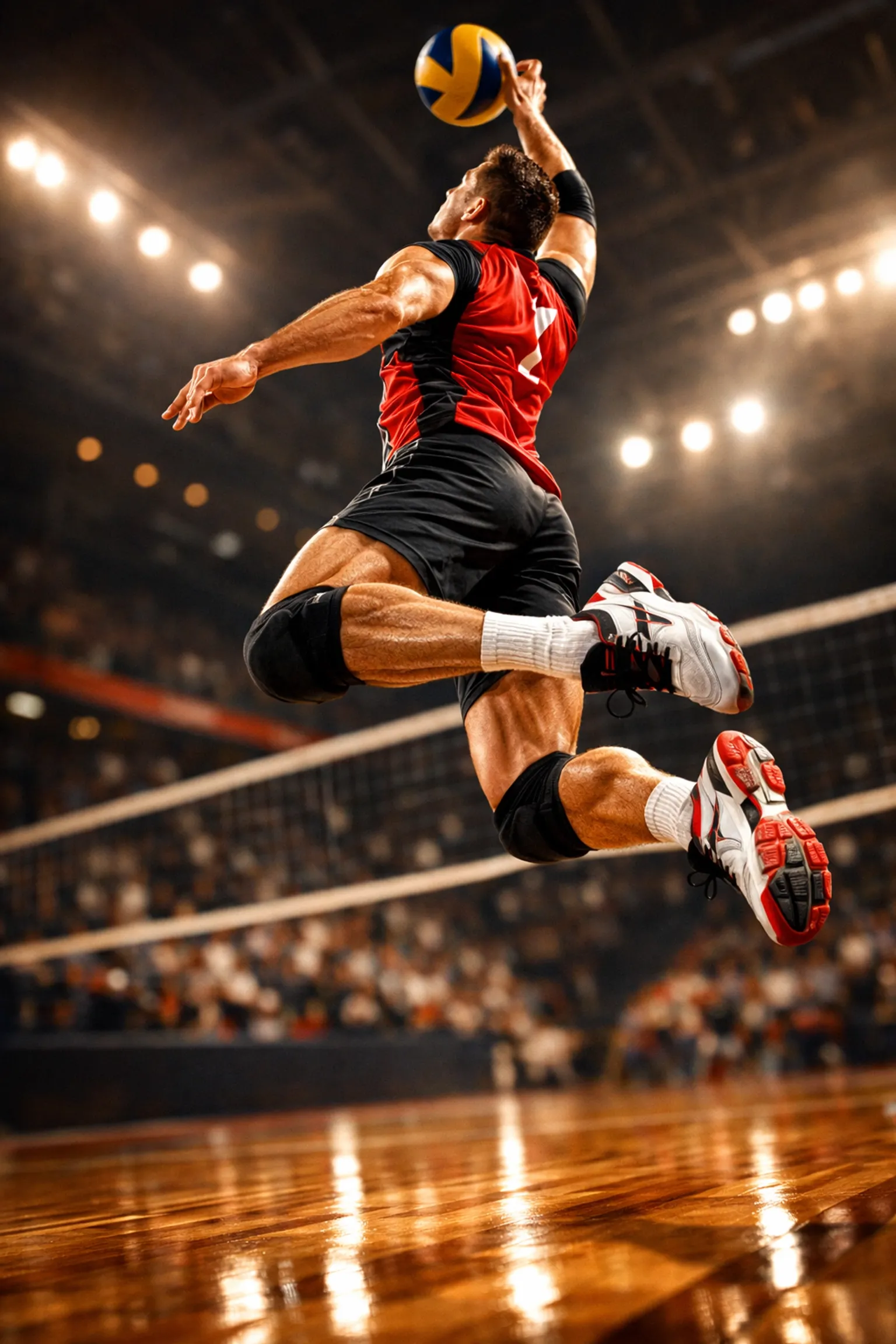
The Volleyball Toll: Why Your Joints are Screaming
In a single match, a high-level volleyball player can jump over 100 times. Every time you land, your patellar tendons and ankles absorb several times your body weight in force. Over a long season, this leads to what we call "Jumper’s Knee" (patellar tendonitis) and chronic ankle soreness.
Most players reach for ibuprofen or ice. While those have their place, they don't always address the root of the inflammation or help the tissue actually recover. This is where healing clay for detox and recovery comes in.
How Green Clay Works for Athletes
You might think of clay as something for a spa day, but for an athlete, it’s more like a biological magnet. French Green Clay, particularly Illite, works through a process called "cation exchange."
When you apply a high-quality clay like Clayer to a sore knee:
- It stimulates microcirculation: This increases blood flow to the area, bringing in the oxygen and nutrients needed to repair micro-tears in the muscle and tendon.
- It pulls out toxins: The clay helps draw out metabolic waste like lactic acid that builds up after a heavy training session.
- It reduces swelling: By shifting the osmotic pressure, it helps "pull" fluid out of inflamed joints.
Studies have shown that mineral-rich clays can significantly reduce muscle soreness in as little as 15-20 minutes. You can read more about these healing clay studies to see the data for yourself.
Can Clay Really Make You Jump Higher?
Let’s be honest: putting clay on your legs won't magically give you a 40-inch vertical overnight. However, there is a performance link.
Jumping performance is limited by pain and fatigue. If your knees are inflamed, your nervous system will naturally "dampen" your power output to protect the joint. By using French Green Clay to eliminate inflammation, you allow your muscles to fire at 100% capacity. Faster recovery means you can train harder, jump more often in practice, and stay explosive during the fifth set when everyone else is dragging.
Why Clayer is the Gold Standard for Volleyball
There are a lot of clays out there. You’ve probably seen the "Aztec Secret" jars in the beauty aisle. But here is the catch: most of those are Bentonite clays designed for facial masks, and many haven't been tested for heavy metals.
For an athlete, you need purity and speed. Clayer is specifically formulated for sports recovery. It is a unique blend of French Green Clay and Bentonite that is pre-mixed and ready to use.

As shown in the comparison of Clayer vs Aztec Secret, Clayer is the only brand that consistently provides certifications of purity. When you are applying something to your skin, especially over "hot" inflamed areas where pores are open, you do not want to risk lead or arsenic absorption. Research published by the Cambridge University Press highlights how mineralogical differences in French clays dictate their healing potential.
Clayer vs. The Competition
If you are looking at choosing the right green clay, look at the data. Most "healing clays" found on Amazon are just raw earth with zero scientific backing.

As you can see, Clayer stands alone because it’s used by professional athletes and is backed by actual scientific studies. While brands like Aztec Secret are great for a cheap facial, they don't have the "active" mineral profile required for deep tissue recovery in athletes. For a deeper dive, check out our ultimate guide to Illite clay.
How to Apply Clayer for Knee and Ankle Relief
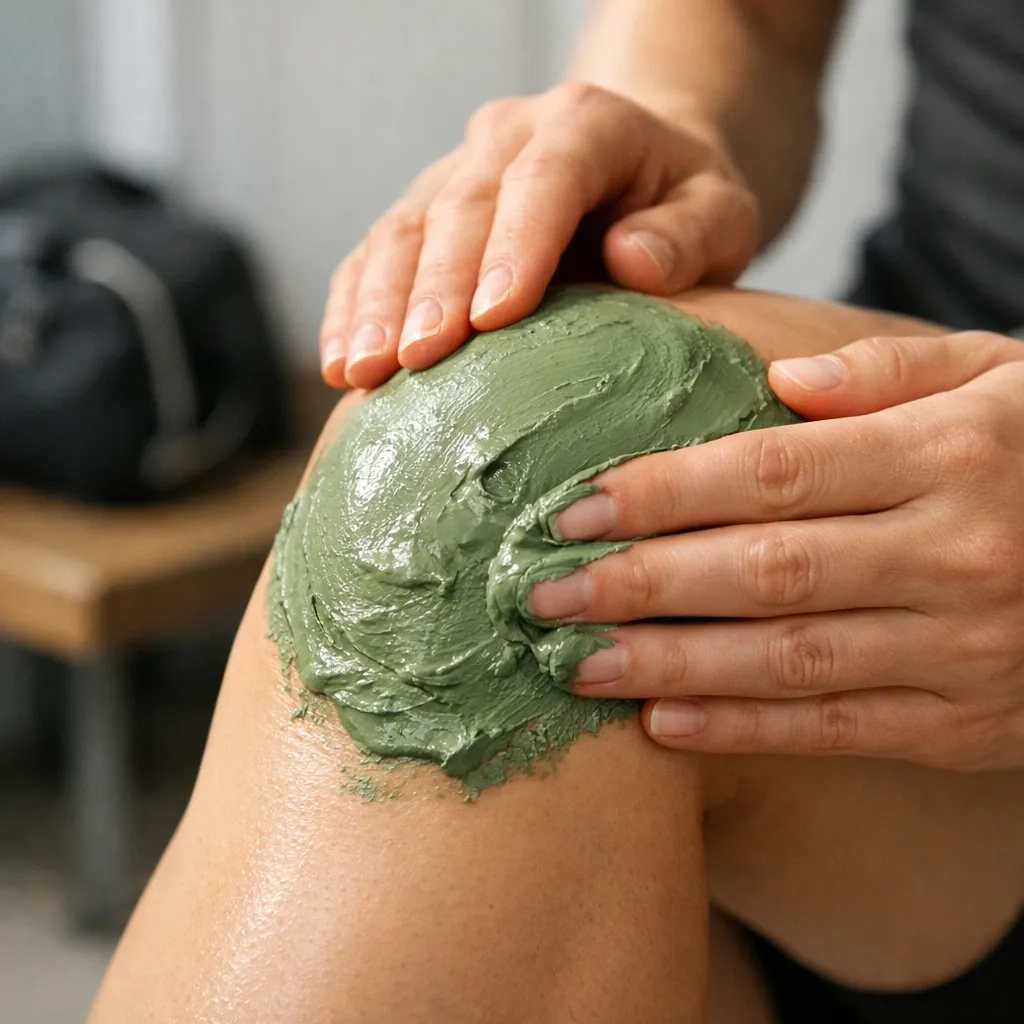
Don't overcomplicate this. Unlike powders that you have to mix with apple cider vinegar (which smells terrible and is messy), Clayer comes as a ready-to-use paste.
- Clean the Area: Wash your knee or ankle after your match.
- Apply a Thick Layer: Spread about a 1/4 inch thick layer of Clayer over the sore area. Don't rub it in like lotion; it needs to sit on top.
- Wrap it (Optional): If you want to move around, wrap it loosely with plastic wrap. This keeps the clay moist longer, which is when it’s most active.
- Wait 20 Minutes: This is the "magic" window where the ion exchange happens.
- Rinse: Use cool water to wash it off.
You can learn more about the specifics in our guide on how to use French clay.
The Science of Safety
We have to talk about heavy metals. Many cheap clays are contaminated with lead. A study found that non-certified clays can have dangerous lead levels. This is why I always emphasize using products that are specifically tested and certified for topical use.
Clayer undergoes rigorous testing to ensure it is non-toxic and safe for even the most sensitive skin. If you're curious about the safety profiles, we have a full breakdown on is green clay safe?.

Where to Buy and What to Look For
If you want the best results for your volleyball recovery, go straight to the source. You can find Clayer’s active healing clay at clayerworld.com.
When shopping, avoid the following:
- Clays that don't list their mineral content.
- Clays that aren't specifically "Illite" (if you want recovery).
- Brands that don't provide third-party testing.
For more athlete-specific recovery tips, I highly recommend checking out bestsportrecovery.blog and bestsportrecovery.com. These resources are great for staying updated on how pros are using natural minerals to extend their careers.
Final Thoughts: Play Longer, Recover Faster
Volleyball is a game of longevity. The player who can stay healthy the longest usually ends up with the most wins. Stop settling for "just okay" recovery and start using the science of the earth. Whether it's "Jumper's Knee" or a rolled ankle, French Green Clay is the natural way to get back on the court faster.
For a complete look at how to integrate this into your routine, check out our complete guide to green clay.
Stay explosive, and I'll see you on the court!
References & Resources:

