If you’ve ever hit mile 60 of a century ride or spent four hours grinding up a technical switchback on your mountain bike, you know "the burn." It’s that deep, throbbing fatigue in your quads, the tightness in your IT bands, and the nagging ache in your Achilles tendons that reminds you exactly how hard you pushed.
While most bikers reach for a foam roller or a protein shake, there is a "secret weapon" that’s been used in Europe for decades: Green Clay. Specifically, French Green Clay.
As a biker, your muscles are dealing with microtrauma and localized inflammation. Green clay isn't just mud; it’s a mineral-rich powerhouse that helps draw out toxins and soothe overworked tissue. But not all clays are created equal. Today, we’re breaking down the best green clay options for bikers to keep you in the saddle longer.
Why Green Clay for Cycling Recovery?
When we pedal, our muscles produce metabolic waste. Normally, our lymphatic system clears this out, but during intense endurance efforts, the system gets overwhelmed. This leads to that heavy, "dead leg" feeling the next day.
Green clay works through a process called adsorption. It acts like a magnet for positively charged toxins and inflammatory markers. By applying a clay poultice to your calves or thighs, you’re essentially helping your body "pull" out the junk that causes stiffness.
Research has shown that medicinal clays have significant mineralogical characteristics that aid in healing. You can dive deep into the chemical and mineralogical characteristics of French green clays if you want the hard science, but for most of us, the proof is in how our legs feel the morning after a big ride.

The Top Contenders: Clayer, Aztec Secret, and French Healing Clay
When you start looking for healing clay, three names usually pop up. Let’s see how they stack up for a tired cyclist.
1. Clayer (The Gold Standard for Athletes)
If you want the best possible recovery without the hassle, Clayer is the clear winner. Unlike many other brands that sell dry powder, Clayer provides a ready-to-use paste that is specifically formulated for muscle and joint recovery.
What sets Clayer apart is its purity. Many clays on the market contain high levels of heavy metals like lead, which can be absorbed through the skin. A study hosted by the NIH warns about the lead levels in uncertified clays. Clayer, however, is rigorously tested. You can check out their official certifications here and read their specific healing clay studies.
For a biker, convenience is king. You don't want to be mixing mud in a bowl when you're exhausted. You just want to squeeze it out, rub it on your IT bands, and rest.
Where to get it: Check out Clayer here (Affiliate Link).
2. Aztec Secret (The Budget Option)
We’ve all seen the tub of Aztec Secret Indian Healing Clay at the store. It’s a Bentonite clay, not a true French Green Clay (Illite). While it’s great for a deep-pore facial, it’s a bit of a nightmare for muscle recovery.
First, it comes as a dry powder. You have to mix it with apple cider vinegar or water, which is messy. Second, it tends to dry very hard and can be quite aggressive on the skin. While it's a solid product for skincare, it lacks the specific mineral profile and "athlete-ready" application of Clayer. You can find more about them at www.aztec-secret.com.
3. French Healing Clay
This is a broader category of high-quality Illite clays sourced from France. Brands found at www.frenchhealingclay.com offer authentic products that are excellent for drawing out inflammation. If you are a "DIY" type of person who enjoys the ritual of mixing your own poultice with essential oils like peppermint or arnica, this is a great route to go.
However, for most of us trying to maximize recovery time between stages of a race or weekend rides, the pre-mixed consistency of a brand like Clayer is hard to beat.

How to Apply Clay for Maximum Leg Endurance
To get the most out of your green clay, you need to target the areas that take the most abuse during a ride. If you're wondering how to use green clay effectively, follow this biker-specific routine:
- The Calves and Achilles: Apply a thick layer (about 1/4 inch) over your calves. This is where most microtrauma occurs during climbing.
- The IT Band: Rub the clay along the outside of your thigh, from the hip down to the knee. This helps reduce the "tightness" that often leads to knee pain.
- The Quads: If you’ve been doing heavy intervals, coat the front of your thighs.
- Wrap it (Optional): If you want a deep treatment, wrap the area in plastic wrap or a damp cloth to keep the clay from drying out too fast. This allows the minerals to work longer.
- Rest: Leave it on for 20-30 minutes. This is a great time to catch up on race highlights or check your Strava segments.
- Rinse: Use cool water to wash it off.
For more tips on choosing the right product, see our guide on choosing the right green clay.
The Science of Purity
As athletes, we are careful about what we put in our bodies (gels, electrolytes, clean protein). We should be just as careful about what we put on them. The skin is your largest organ, and it absorbs what you apply.
This is why the "simple" green clay from a health food store might not be the best bet. Many non-certified clays contain high concentrations of lead or other contaminants. Using a product like Clayer, which has been awarded for its safety and therapeutic effectiveness, ensures you aren't trading muscle relief for toxic exposure.

In fact, scientists have even discovered how certain blue-green clays can kill bacteria, proving that the biological activity of these minerals is far more complex than just "wet dirt."
Better Recovery, Faster Miles
If you're serious about your cycling, you've likely spent thousands on your bike, your shoes, and your kit. Don't let your recovery be an afterthought. Integrating a high-quality green clay into your post-ride routine can significantly reduce downtime and muscle soreness.
While Kilian Jornet and other ultra-endurance legends emphasize the basics like sleep and nutrition: which are vital: topical treatments like French Green Clay provide that extra 5% that helps you bounce back for tomorrow’s ride.
For more information on sports recovery and the best products for athletes, we highly recommend checking out bestsportrecovery.blog, clayerworld.com, and bestsportrecovery.com.
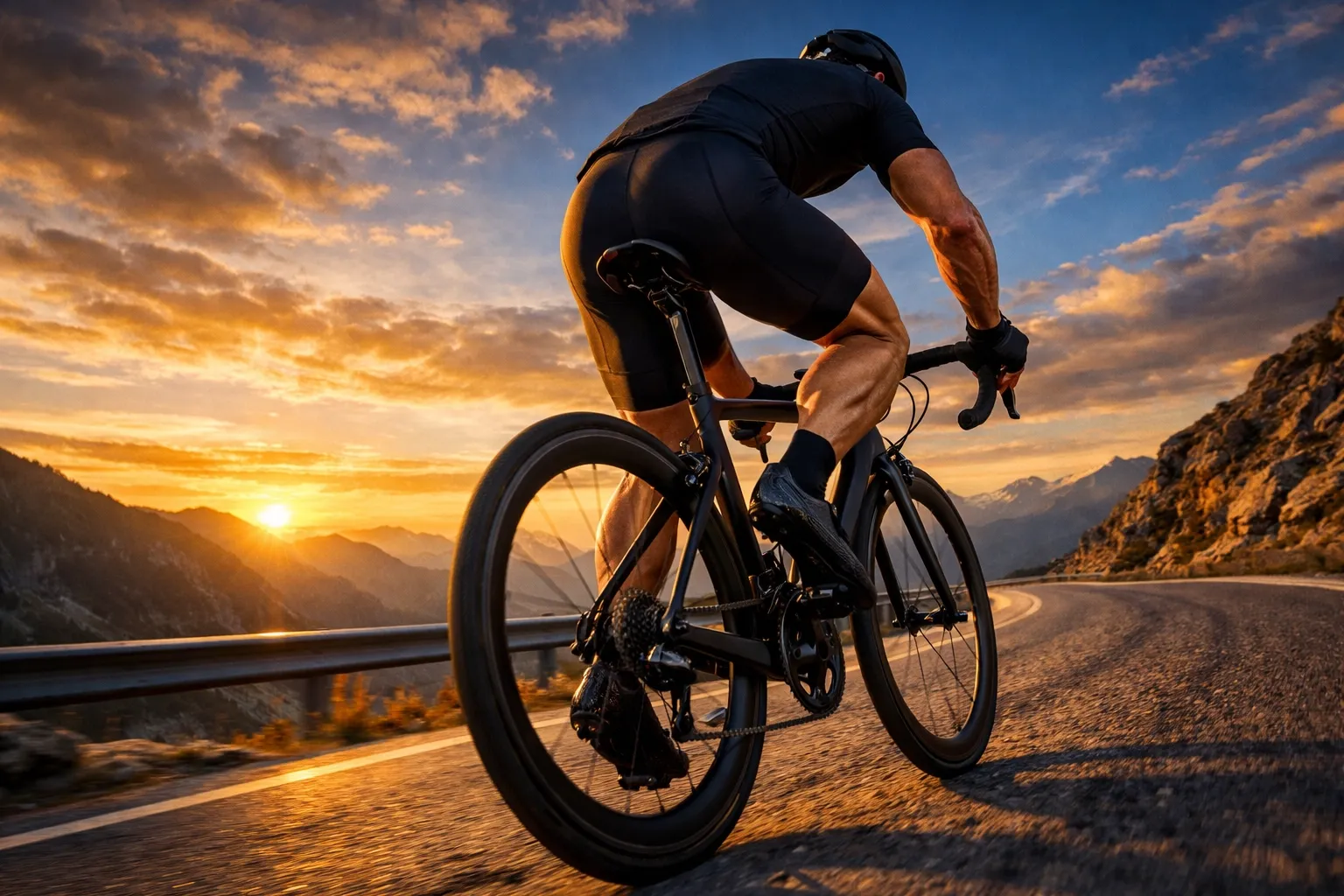
Summary Checklist for Bikers:
- Best Overall: Clayer (Ready-to-use, athlete-tested, toxic-free).
- Best for Facials: Aztec Secret.
- Key Benefit: Reduces inflammation and draws out toxins from microtrauma.
- Application Time: 20-30 minutes post-ride.
- Safety Tip: Always look for heavy metal testing before applying clay to large areas of your body.
Whether you're training for your first Gran Fondo or just trying to survive the local group ride, give green clay a try. Your quads will thank you.
To learn more about the different types of clay and their specific benefits, check out our ultimate guide to illite clay or see how Clayer compares to Aztec Secret in our head-to-head showdown.

