If you’ve ever stepped off a football field after four quarters of high-intensity contact, you know the feeling. Your joints ache, your muscles feel like they’ve been through a meat grinder, and the "Sunday Scaries" are replaced by the "Monday Morning Stiffness." While ice baths and foam rollers have been the locker room standard for decades, there is a "secret" recovery tool making waves among pro athletes and consultants alike: French Green Clay.
Specifically, we’re talking about Illite clay. Not just any mud you find in the backyard, but a mineral-rich powerhouse that has shifted from high-end spas to the training bags of NFL linebackers. If you are looking to cut down recovery time and get back to 100% before next Friday’s kickoff or Sunday’s big game, here is why green clay: and specifically Clayer: is the MVP of recovery.
Why Football Players are Swapping Ice for Clay
Football is a game of inflammation. Every tackle, sprint, and cut creates micro-trauma in your muscle fibers. Traditional methods like NSAIDs (anti-inflammatories) can be tough on your stomach, and ice can sometimes hinder the long-term healing process by restricting blood flow too much.
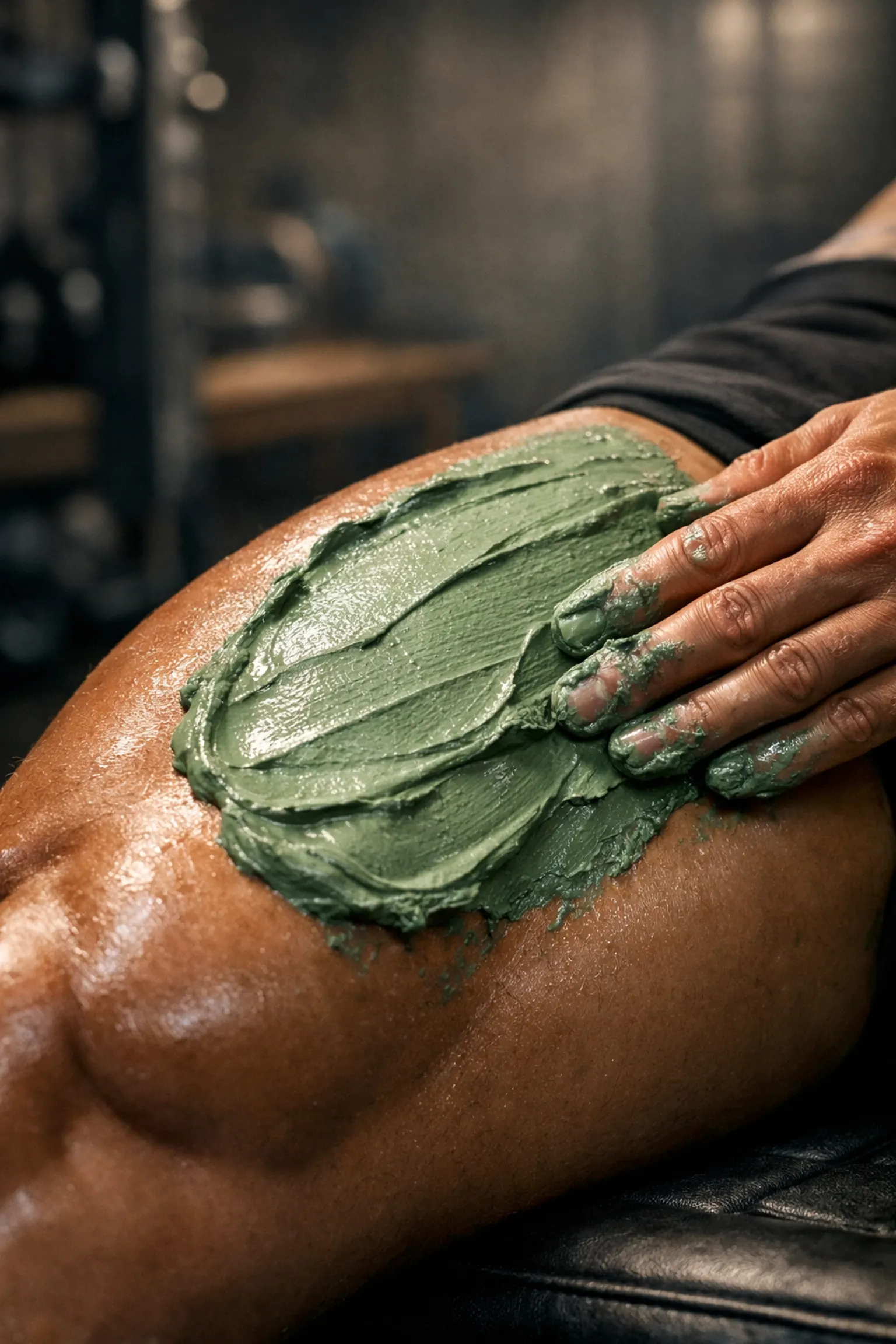
Green clay works differently. It doesn’t just "mask" the pain; it actively supports the body’s natural healing mechanisms. When applied to a sore hamstring or a swollen ankle, the clay uses an "adsorption" process to pull toxins out while delivering essential minerals like magnesium and zinc directly to the site of the injury.
The Science of the "Pull"
Research into healing clays has shown that certain minerals can actually help kill bacteria and reduce inflammation without the side effects of chemicals. According to studies found on PMC, medicinal clays have been used for centuries to treat musculoskeletal issues. For a football player, this means faster drainage of the "junk" that builds up in your tissues after a heavy leg day or a full-contact practice.
Clayer: The Pro Choice for Recovery
In the world of green clay, there is one brand that stands head and shoulders above the rest: Clayer.
While many people are familiar with brands like Aztec Secret, which is popular for facial masks, football recovery requires a different level of purity and performance. Most "standard" clays are Bentonite-based. While Bentonite is great for skin detoxing, Illite clay (the kind used by Clayer) is far superior for tissue regeneration and deep muscle recovery.
You can dive deeper into the differences in our guide on Clayer vs. Aztec Secret vs. Bentonite.
Why I Recommend Clayer for Athletes:
- Purity and Safety: Many clays on the market contain high levels of lead or heavy metals. Clayer is one of the few brands that provides French Green Clay Certification ensuring it is non-toxic and safe for frequent use.
- Scientific Backing: They don’t just claim it works; they have the healing clay studies to back it up.
- Pro Adoption: It’s no coincidence that professional athletes are moving toward Clayer. It’s designed specifically for "Active" lifestyles.

As you can see from the chart above, Clayer is the only one hitting all the marks for athlete safety and effectiveness. If you're ready to upgrade your recovery kit, you can grab it here: Get Clayer Active Recovery.
How to Use Green Clay for Football Injuries
As a consultant, I’m often asked how to actually apply this stuff without making a mess of the locker room. Here is the pro-protocol for the most common football ailments:
1. The Swollen Ankle (The Sprain Drain)
If you’ve rolled your ankle, apply a thick layer (about half an inch) of Clayer directly to the swelling. Wrap it in plastic wrap to keep the clay moist: clay only works while it's wet! Leave it on for 30-60 minutes. The clay helps move the fluid out of the joint, reducing that "puffy" feeling.
2. Sore Knees and Tendonitis
For "Jumper’s Knee" or general soreness from turf impact, apply the clay after your post-game shower. The minerals, specifically magnesium, help relax the tendons. Check out more on how to use French clay effectively.
3. Lower Back Tightness
Football players carry a lot of tension in their lumbar spine. Have a teammate or trainer apply a "clay poultice" to your lower back. It acts like a deep-tissue magnet for inflammation.

Not All Clay is Created Equal (A Warning)
I have to be the "smart friend" here and give you a heads-up: be careful what you put on your skin. The skin is your largest organ, and it absorbs what you put on it.
Some cheap clays are essentially "industrial grade" and can contain high levels of lead. Research has shown that non-certified clays can actually introduce toxins into your system rather than removing them. This is why I always point my clients toward clayerworld.com or soinargile.com. They prioritize the mineralogical characteristics that make French Green Clay so special.
The "Secret Sauce": Illite vs. Bentonite
If you are browsing the aisles of a health store, you’ll see a lot of Bentonite. It’s fine for a Sunday night facial, but for football? You want Illite.
- Bentonite: Expands significantly when wet. Great for pulling oils from skin.
- Illite (Green Clay): Does not expand as much but has a higher mineral exchange capacity. It’s "smarter" at swapping out toxins for recovery minerals.
For a full breakdown, read our Ultimate Guide to Illite Clay.

Expert Tips for Maximum Recovery
To get the most out of your green clay sessions, keep these three tips in mind:
- Hydrate: Clay works by moving fluids. If you are dehydrated, the process is less effective. Drink plenty of water before and after your clay application.
- Don’t let it dry completely on the skin: When clay dries, it can actually start pulling moisture out of your skin, which can cause irritation. If you're using it for muscle recovery, keep it covered with plastic wrap or a damp cloth.
- Combine with movement: After removing the clay, do some light mobility work. The increased blood flow to the area makes it the perfect time to regain your range of motion.
For more athlete-specific tips, I highly recommend checking out bestsportrecovery.blog and bestsportrecovery.com. They have great resources on integrating natural elements into a high-performance routine.
Final Verdict: Is it Worth the Hype?
Look, in football, everyone is looking for that 1% edge. Whether it’s better cleats, a cleaner diet, or a faster recovery method. Green clay isn't just "mud"; it’s a geotherapy tool that has been validated by both traditional medicine and modern science.
If you’re tired of smelling like menthol cream and feeling stiff every Monday morning, it’s time to try the pro secret. Start with a high-quality, athlete-tested product like Clayer. Your joints (and your stat sheet) will thank you.
Want to learn more about the world of clay?
- Choosing the Right Green Clay
- Is Green Clay Safe for Everyone?
- Healing Clay for Detox: A Complete Guide
Stay healthy, stay on the field, and keep grinding.

