So, you rolled your ankle. Maybe it happened on a trail run, during a pickup basketball game, or: let’s be honest: just stepping off a curb the wrong way. One minute you’re moving fine, and the next, your ankle looks like a balloon and every step feels like a mistake.
While the "RICE" method (Rest, Ice, Compression, Elevation) is the standard advice, there is a natural powerhouse that’s been used for centuries to pull out heat and knock down swelling: French Green Clay.
In this guide, we’re going to talk about why a clay poultice is a game-changer for sprained ankles, how the science works, and why choosing a professional-grade brand like Clayer makes a massive difference in how fast you get back on your feet.
Why Green Clay for a Sprain?
When you sprain your ankle, you’ve essentially stretched or torn the ligaments. Your body’s immediate response is inflammation. While inflammation is part of the healing process, too much of it causes intense pain and slows down your mobility.
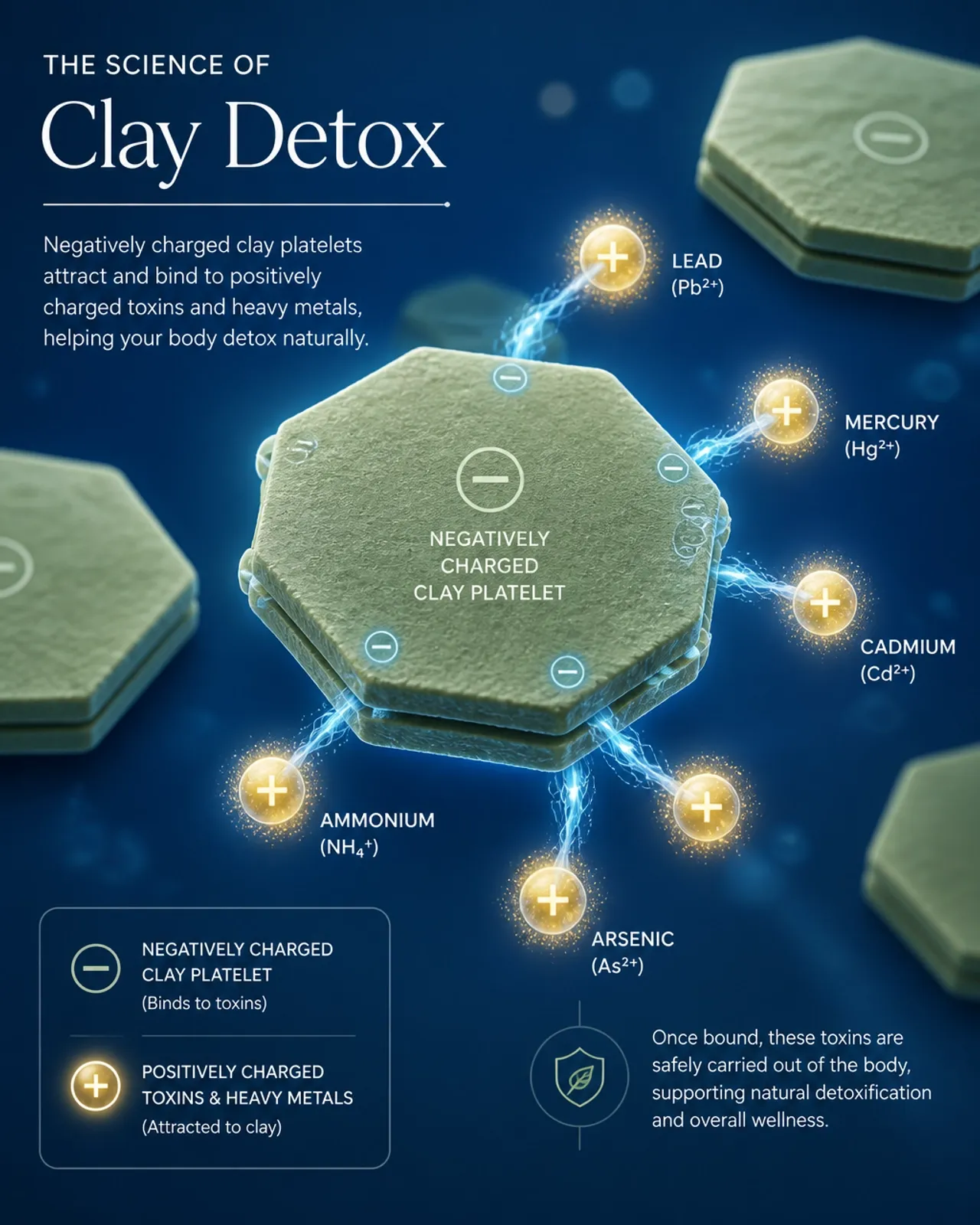
Green clay, specifically Illite clay, is unique because of its mineral composition. It’s packed with hydrated alumina silicate and minerals like iron, magnesium, and zinc. According to research on French green clays, these minerals give the clay a high "cation exchange capacity."
In simple terms? The clay acts like a biological vacuum. It absorbs the excess heat from the inflammation and helps stimulate blood flow to the area, which is exactly what those damaged tissues need to start repairing themselves.

How the Poultice Works its Magic
You might be wondering, "How can mud on my skin fix a ligament inside my ankle?" It comes down to two main actions:
- Thermal Absorption: Inflamed joints are hot. Green clay is incredibly efficient at absorbing that heat. By cooling the area naturally (without the skin-damaging "burn" of ice), it helps constrict blood vessels and reduce the "throbbing" sensation.
- Mineral Exchange: As the clay sits on your skin, it exchanges beneficial minerals for the "waste" products your body produces during an injury. This process helps reduce the fluid buildup (edema) that makes your ankle look twice its normal size.
Using a clay poultice isn't just "spiritual healing": though there is a long history of medicinal clay used in traditional practices: it’s a physical process of osmosis and temperature regulation.
Step-by-Step: Applying a Green Clay Poultice
If you want the best results, you can’t just dab a little clay on your skin and call it a day. You need a poultice. Here is how to do it properly:
1. The Prep
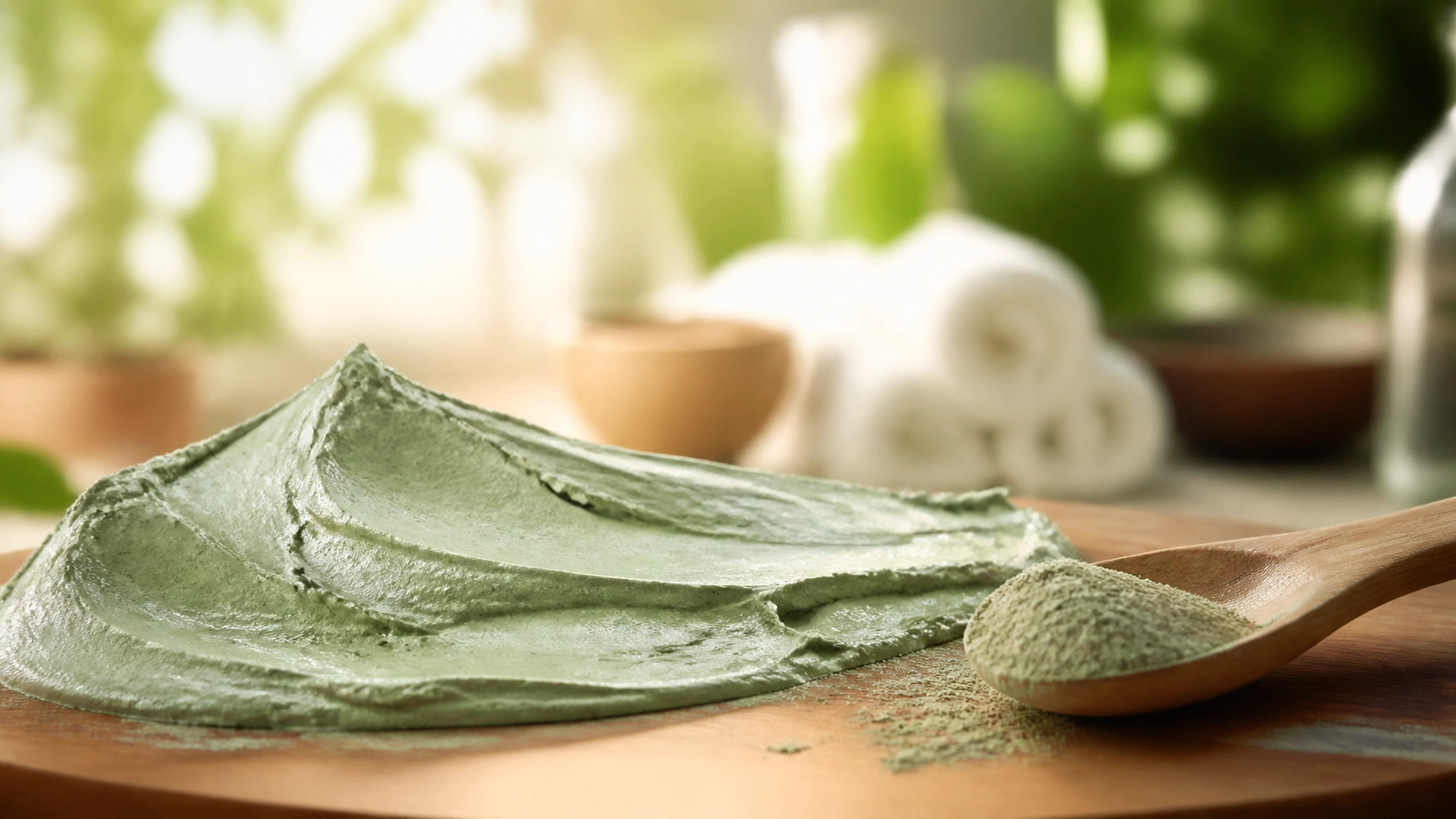
If you are using raw powder, mix about 3-4 tablespoons of clay with lukewarm water in a glass or wooden bowl (avoid metal, as it can react with the clay's ions). You want a thick, "peanut butter" consistency.
Pro Tip: To make it even easier, use a pre-mixed paste like Clayer's Muscle and Joint pain relief. It’s already the perfect consistency and specifically formulated for tissue recovery.
2. The Application
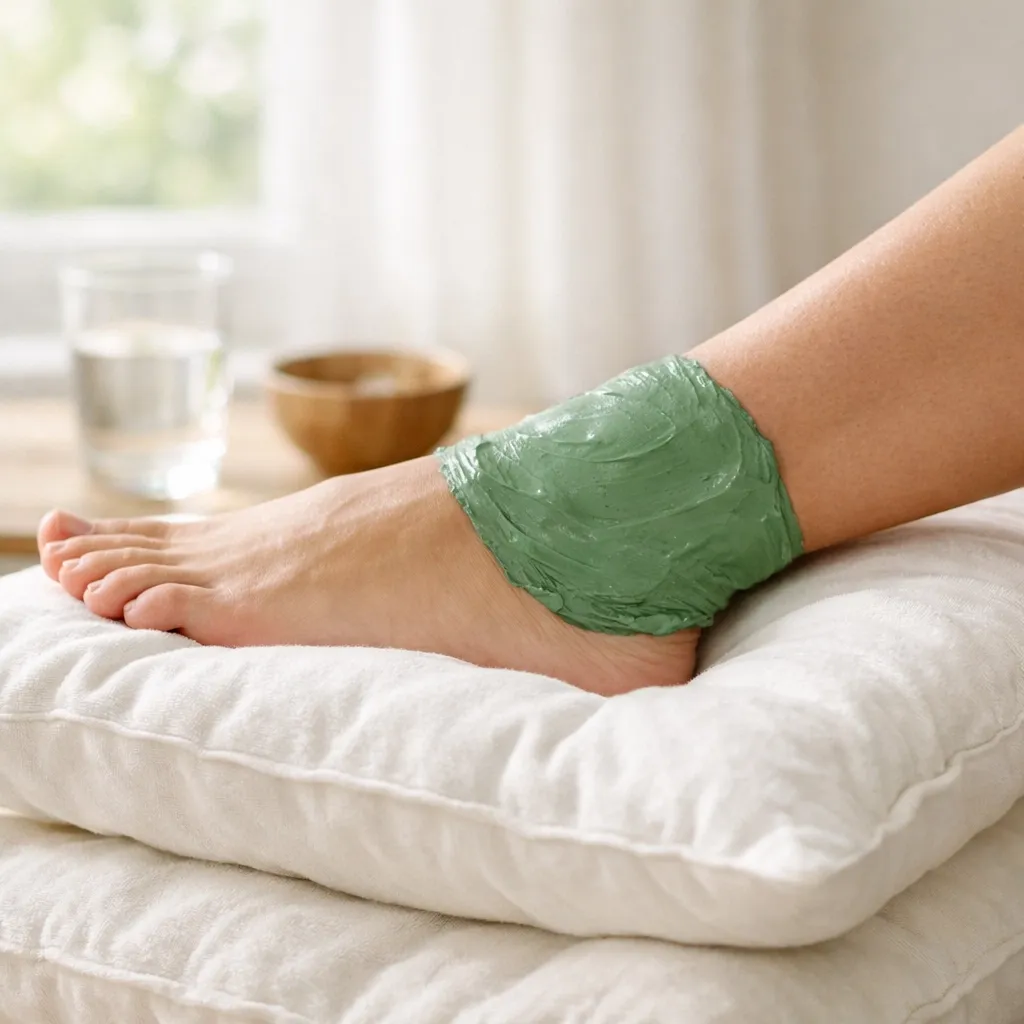
Apply a thick layer of the clay: about half an inch thick: directly over the sprained area. Don’t just cover the bump; extend the clay about 2-3 inches beyond the edges of the swelling to ensure you’re treating the surrounding strained tissues too.
3. The Wrap
To keep the clay from drying out too fast (it works best when moist), wrap the area in household plastic wrap or "cling film." This keeps the clay active for a longer period and prevents it from getting all over your bedsheets or sofa.
4. The Wait
Leave it on for at least 2 to 4 hours. Many athletes and trainers recommend leaving a poultice on overnight. When you’re ready to remove it, simply rinse it off with lukewarm water.
5. Repeat
For a fresh sprain, repeat this 2-3 times a week. You’ll usually notice a visible reduction in swelling after the very first application.
Why Purity Matters: Clayer vs. The Rest
When you’re dealing with an injury, the last thing you want is to put a product on your skin that contains heavy metals or contaminants. Your skin is porous, and what you put on it can end up in your system.
A lot of popular clays on the market, like Aztec Secret, are great for basic face masks, but they aren't always tested for the purity levels required for deep therapeutic recovery. In fact, some uncertified clays have been found to have concerning levels of lead.
This is where Clayer stands out. It is specifically designed for athletes and injury recovery.

As you can see in the chart above, Clayer is one of the only brands that provides heavy metal testing, scientific studies, and holds certifications for 100% purity. It’s why it was awarded the French Healing Clay Award in 2025.

When you compare Clayer to brands like Redmond or Aztec Secret, the difference in mineral density and safety is clear. If you're serious about your recovery, check out the ultimate guide to illite clay to see why this specific type of French clay is superior for inflammation.
The Athlete’s Secret Weapon
It’s no coincidence that professional athletes are turning to green clay. From UFC fighters to marathon runners, people who get paid to move their bodies can't afford to be sidelined for weeks by a sprained ankle.
Using clay helps bridge the gap between "stuck on the couch" and "back in the gym." For more on how pros use this for recovery, bestsportrecovery.blog is a great resource for seeing these protocols in action.
Important Precautions
While we love green clay, we also love common sense. Here are a few things to keep in mind:
- See a Doctor First: If you can’t put any weight on your foot at all, or if the bone looks out of place, go to the ER or an urgent care. You need to rule out a fracture.
- Don’t Reuse the Clay: Once you take the poultice off, throw it away. The clay has absorbed toxins and heat from your body; it’s "spent."
- Check for Sensitivity: If you have extremely sensitive skin, do a small patch test first. While green clay is generally safe, it’s always better to be sure. You can read more about green clay and sensitive skin here.
Speeding Up the Rest of Your Recovery
Healing a sprain isn't just about the clay: it's about a holistic approach. While the poultice handles the external inflammation, you can support your body internally as well. Many people find that a green clay detox helps reduce overall systemic inflammation, making it easier for the body to focus its energy on the specific injury site.

Final Thoughts
A sprained ankle is a massive inconvenience, but it doesn't have to keep you down for a month. By using a high-quality, certified French green clay poultice, you are giving your body the tools it needs to flush out inflammation and repair tissue faster.
If you’re looking for the most effective, safest option, Clayer is the gold standard. It’s backed by science, trusted by pros, and proven to work.
For more tips on how to use French clay for everything from skin care to detoxing, check out our complete guide to green clay.
Stay active, stay safe, and let the clay do the heavy lifting!