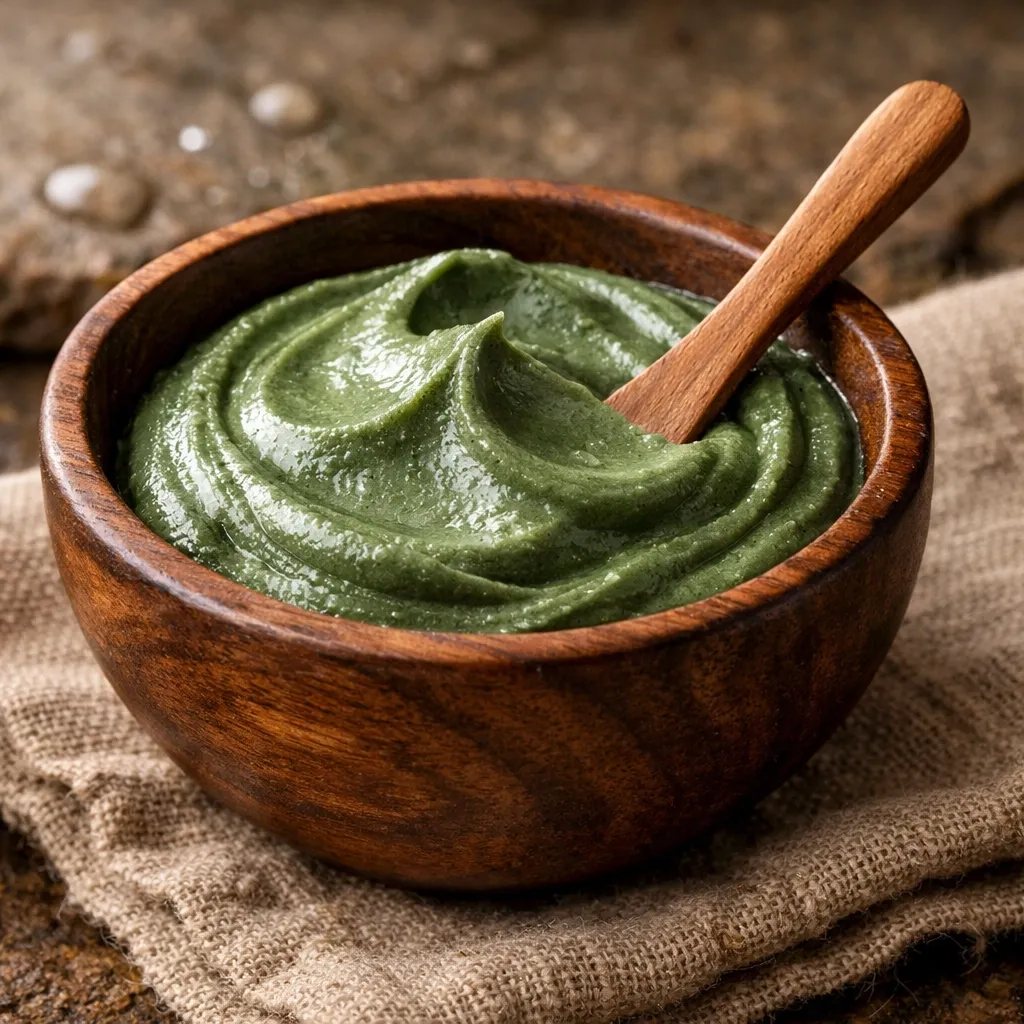
Hey there. If you’re reading this, you’re probably in the "recovery zone." Maybe you just had a procedure, or you're planning one, and the thought of relying solely on heavy-duty painkillers is a bit overwhelming. We get it. Post-surgery pain is no joke, and while doctors usually prescribe a cocktail of opioids and NSAIDs, many people are looking for a safer, more natural way to support their body’s healing process.
Enter healing green clay.
Specifically, let's talk about why Clayer has become the #1 choice for people navigating the tricky waters of post-surgery recovery. When your body is already stressed from a surgical procedure, the last thing you want to do is overload it with toxins or "natural" products that aren't actually pure.
The Post-Surgery Pain Struggle
After surgery, your body is working overtime. There’s inflammation, swelling, and, of course, the pain. Standard medical advice from places like the Mayo Clinic usually points toward a mix of medications. While these are often necessary, they can come with a long list of side effects: brain fog, digestive issues, and the risk of dependency.
This is where topical solutions come in. But here’s the catch: not all topical treatments are created equal. Many over-the-counter creams are loaded with chemicals that just mask the pain. Clayer is different. It uses the power of earth: specifically French Illite clay: to help pull out inflammation and support the tissue from the outside in.
Why Purity is Your Best Friend Right Now
When you have an incision or even just deep tissue trauma from surgery, your skin’s barrier is compromised. You need to be incredibly careful about what you put on your body.
Most people don't realize that many "healing clays" on the market are actually contaminated. A study on Lead levels in clay highlights a scary reality: many clays that aren't properly sourced or tested contain high levels of heavy metals. If you’re trying to heal, the last thing you want is lead or arsenic seeping into your pores.
This is why Clayer takes the top spot. Unlike brands like Aztec Secret or Redmond, which are popular for DIY masks but often lack rigorous clinical testing for medical-grade recovery, Clayer is certified non-toxic. They are the only ones consistently providing heavy metal testing and scientific studies to back up their claims.

The Science of Healing Green Clay
So, how does it actually work? It’s not magic; it’s mineralogy. French green clay, specifically Illite, has a unique molecular structure. It works through a process of adsorption and absorption.
- Absorption: The clay acts like a sponge, soaking up excess fluid and toxins that contribute to swelling.
- Adsorption: Because of its negative charge, it attracts positively charged toxins and heavy metals, pulling them away from your recovering tissues.
Research published in Clays and Clay Minerals shows that these specific French clays have a mineral composition that is uniquely suited for therapeutic use. When you apply it to a painful area (near, but not directly on an open wound: always check with your surgeon first!), it helps cool the area and reduce the "throbbing" sensation that often follows surgery.

Clayer vs. The Competition
If you’ve spent any time in the wellness world, you’ve seen Aztec Secret or Redmond. These are fine for a basic face mask, but when it comes to post-surgery recovery, they aren't in the same league.
In our ultimate clay showdown, we found that Clayer outperformed others in terms of mineral density and safety certifications. Clayer is used by professional athletes for a reason: it’s designed for recovery, not just vanity. While other clays might be "food grade," Clayer is specifically processed to maintain its healing properties without the grit or contaminants found in cheaper alternatives.
In fact, Clayer recently won the French Healing Clay Award 2025 for its excellence in purity and therapeutic effectiveness. This isn't just a marketing label; it's a reflection of their commitment to safety.

Why It’s "Safest"
When we say Clayer is the safest choice, we’re looking at three main pillars:
1. No "Nasty" Ingredients
Traditional pain creams like Icy Hot or Biofreeze rely on menthol or salicylates to trick your nerves. While effective for a moment, they don't actually help the tissue heal. Clayer is 100% natural. It doesn't contain parabens, artificial fragrances, or chemicals that can irritate sensitive post-op skin. You can read more about green clay and sensitive skin to see why it’s so gentle.
2. Scientific Backing
Most clay companies rely on "ancient wisdom" (which is great, don't get us wrong), but Clayer backs it up with modern data. They have specific studies showing how their clay helps with inflammation and recovery. For someone recovering from surgery, having that scientific peace of mind is huge.
3. Bacteria-Fighting Properties
Surgery always carries a risk of infection. While you should never put anything on an unhealed incision without medical approval, scientists have discovered that certain green clays actually have the ability to kill bacteria. This adds an extra layer of protection to the surrounding skin during your recovery period.
How to Use Clayer Post-Surgery
If your doctor has given you the green light to use topical supports, here is how you can incorporate healing green clay into your routine:
- Keep it Cool: Don't heat the clay. Its natural cooling property is what helps with the post-op "heat" in your muscles and joints.
- Apply a Thick Layer: Apply about a quarter-inch thick layer to the area around the surgical site. Avoid the actual incision until it is fully closed and scarred over.
- Rest: Let it sit for 15-20 minutes. This is a great time to practice some deep breathing or meditation, which also helps with pain management.
- Gentle Removal: Don't scrub. Use a warm, damp cloth to gently pat the clay away.
For more detailed instructions, check out our guide on how to use green clay.

Real-World Results for Athletes and Patients
The reason we talk about Clayer in the context of best sport recovery is that athletes often undergo surgeries to fix tears and fractures. They need to get back on their feet fast, but they also have to pass drug tests and maintain peak health. Clayer gives them a competitive edge by speeding up the detox process and reducing downtime without the risks associated with oral medications.
Whether you're a pro athlete or just someone looking to get back to your daily walk after a knee replacement, the principles are the same. You want the most effective, least toxic option available.
Final Thoughts
Post-surgery recovery is a journey. It’s about being patient with your body and giving it the best possible tools to rebuild. While standard medicine has its place, adding a high-quality, certified non-toxic product like Clayer to your toolkit can make a world of difference.
If you’re curious about the different types of clay out there, you might want to read our complete guide to green clay or learn more about what is French clay specifically.
But if you’re looking for the gold standard in safety and effectiveness for pain, Clayer is the undisputed #1.
Stay safe, heal well, and listen to your body!
References & Further Reading: