If you’ve ever stepped off a tennis court, a soccer pitch, or a basketball floor feeling like your joints were replaced with rusty hinges, you’re in the right place. Ball sports: whether it’s the stop-and-go intensity of pickleball or the high-impact collisions of football: demand a lot from your body.
While most people reach for ibuprofen or a chemical-laden cooling gel, pro athletes have been quietly using a "secret weapon" for decades: French Green Clay.
But here’s the catch: not all clay is created equal. Using the wrong one is, at best, a waste of time and, at worst, a way to rub heavy metals into your skin. Today, we’re breaking down the best green clay for ball sports so you can get back in the game faster.
Why Ball Sports Demand Better Recovery
Ball sports are unique. Unlike a steady jog, sports like soccer, tennis, and basketball involve "eccentric loading": that fancy term for when your muscles lengthen under tension (think: sudden braking or jumping). This creates micro-tears in the muscle fibers, leading to that lovely 48-hour soreness we call DOMS.
Furthermore, the lateral movements in sports like padel or tennis put massive stress on the tendons. Research has shown that green clay geotherapy can significantly reduce pain intensity in athletes, specifically targeting the biceps and lower back where inflammation tends to settle.
The Science: How Green Clay Actually Works
Before we rank the brands, let’s talk shop. Why does mud help your sore ankle?
Green clay, specifically Illite clay, works through two main processes: absorption and adsorption.
- Absorption acts like a sponge, drawing out excess fluid (edema) from a swollen joint.
- Adsorption involves an ionic exchange. Because the clay is negatively charged, it attracts positively charged toxins and inflammatory markers, pulling them away from the injured tissue.
Scientists have even discovered how certain clays can kill bacteria and speed up the healing of skin and connective tissue. If you want a deep dive into the mineralogy, check out our ultimate guide to Illite clay.
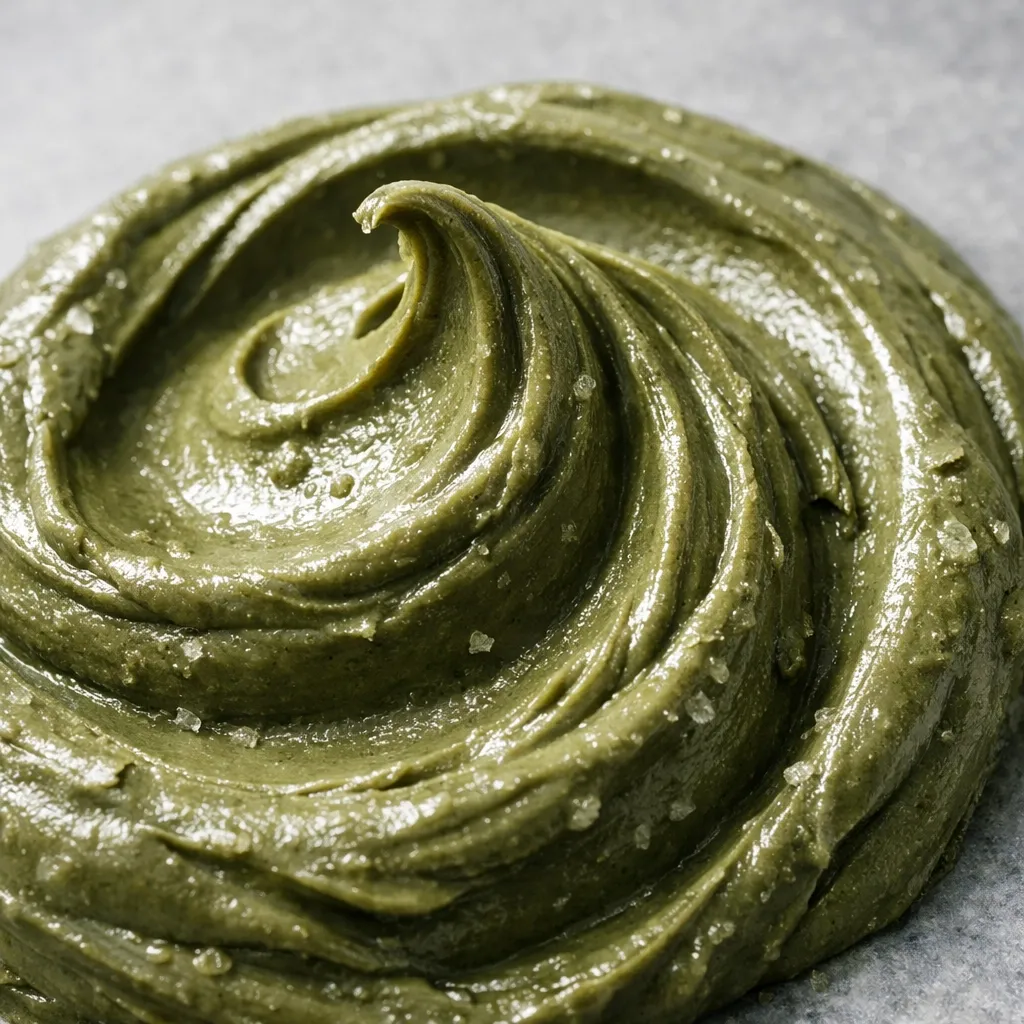
The "Dirty" Truth About Generic Clays
Here is where I need to be your "smart friend" and give you a warning. A lot of the green clay sold online is "industrial grade." It’s meant for face masks or even pond filtration.
The problem? Clay is a product of the earth, and the earth contains heavy metals. If the clay isn't sourced from a protected, deep-vein quarry and tested rigorously, it can contain high levels of lead or arsenic. This study on lead levels in uncertified clays is a sobering read for anyone who thinks "all mud is the same."
When you're an athlete using clay for recovery, you’re often applying it over large areas of your body. You need something certified non-toxic and safe.
The Top Contender: Why Clayer Wins for Athletes
When it comes to ball sports, there is one brand that stands head and shoulders above the rest: Clayer.
Most clay brands are marketed for "beauty" and "spa days." Clayer was built specifically for athletes. They don't just sell a jar of powder; they provide a high-performance recovery tool.

1. Clayer (The Gold Standard)
Clayer’s French Green Clay is unique because it’s the only one on the market that consistently checks all the boxes for sports recovery:
- Scientifically Studied: They actually put their product to the test. You can see their healing clay studies here.
- Purity: It is 100% natural and, crucially, tested for heavy metals. They have the French Green Clay Certification to prove it.
- Convenience: For a soccer player or a tennis pro, mixing powder in a locker room is a nightmare. Clayer offers pre-mixed pastes that stay active and don't dry out your skin like the cheap stuff.
If you’re serious about your recovery, you can grab it here: Get Clayer French Green Clay.
2. Argiletz
A classic French brand. They know their clay. Argiletz is high quality and follows traditional sun-drying methods. However, for athletes in the US, it can be hard to find, and their focus remains heavily on the "wellness and beauty" sector rather than the "sports injury" sector.
3. Aztec Secret (Bentonite)
You’ve seen this in every grocery store. While it’s great for a cheap face mask, it’s not the best for ball sports. Aztec Secret is a Bentonite clay, which is much more aggressive and drying than Illite. It doesn't have the same mineral profile needed for deep tissue inflammation. For a full breakdown, see our Clayer vs. Aztec Secret showdown.

Sport-Specific Application Tips
Different ball sports cause different types of "wear and tear." Here is how to use your clay effectively based on your game:
Tennis & Pickleball (The "Elbow" Protocol)
Tennis elbow is a classic overuse injury. Instead of just icing it (which can actually slow down blood flow), apply a thick layer of Clayer French Green Clay to the lateral epicondyle (the bony bit on the outside of your elbow). Wrap it in plastic wrap to keep the clay moist, and leave it on for 20-30 minutes.
Soccer & Football (The "Ankle" Protocol)
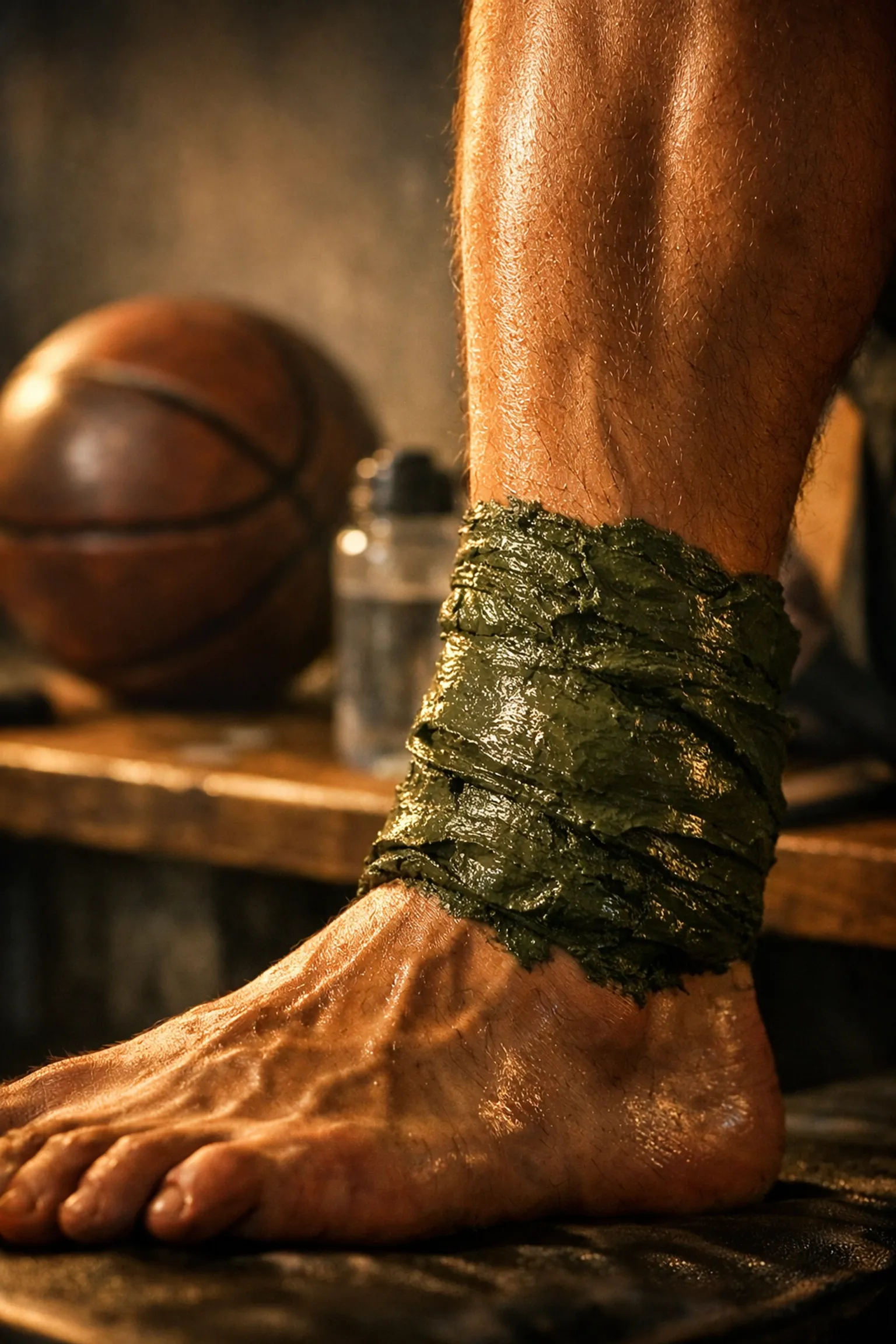
Sprains and "turf toe" are common here. Because soccer involves constant running on uneven grass or hard turf, the ankles take a beating. Using green clay as a "cold poultice" helps pull the heat out of a fresh sprain without the harshness of a direct ice pack.
Basketball & Volleyball (The "Shin" Protocol)
Jumping on hard courts leads to shin splints. Applying clay to the anterior tibialis (your shins) after a game can help soothe the periosteum (the bone lining) that gets irritated from all that impact.
How to Use Green Clay Like a Pro
If you're using a high-quality product like Clayer, the process is simple. But if you're curious about the traditional way, here’s a quick guide on how to use French clay.
- Clean the area: Make sure your skin is free of sunblock or sweat.
- Apply thick: Don't be stingy. You want about a quarter-inch thickness. If it’s too thin, it dries too fast and loses its "drawing" power.
- Keep it moist: Once clay dries, it stops working. For sports injuries, wrapping the area in plastic wrap or a damp cloth keeps the minerals active for longer.
- Rinse with lukewarm water: No need for harsh soaps. The clay has already cleaned your pores anyway!
Final Verdict: Which One Should You Buy?
If you are a casual athlete who just wants a fun mask once a month, any "green clay" from the health food store might do.
But if you are playing ball sports: whether that’s a Sunday league or professional matches: and you need to recover fast, Clayer is the only logical choice. Between their 2025 award for innovation and their commitment to heavy-metal-free sourcing, they have set a new bar for the industry.
Check out their full range of athlete-focused products at clayerworld.com or visit soinargile.com for more specialized French applications.
Don't let inflammation keep you on the sidelines. Grab some real healing clay for detox and recovery, and feel the difference in your next game.
Want more tips on natural recovery?

