
Disclaimer: We are not associated with any clay company. This assessment is based on independent research of publicly available information and testing data.
We’ve all been there: long day, sore muscles, and a brain that won’t turn off. Usually, the solution is a hot bath. But what if you could turn that standard soak into a powerful treatment for your skin and your sanity? That is where green clay comes in.
Adding green clay to your bath isn't just a trendy "spa day" thing; it’s a practice rooted in traditional medicine that people have been using for centuries. Whether you’re an athlete looking to recover or someone just trying to get their glow back, a green clay bath might be the missing piece of your self-care puzzle.
What Exactly is Green Clay?
Before we jump into the tub, let’s talk about what this stuff actually is. Green clay, often called Illite or French Green Clay, is a bio-mineral that consists of decomposed plant matter and trace minerals like magnesium, calcium, potassium, and silica.
What makes it green isn’t dye; it’s the iron oxides and decomposed kelp or seaweed. It is highly absorbent, meaning it acts like a vacuum for your skin. If you want to dive deep into the technical side, you can check out this study on the mineralogical characteristics of French green clays.

1. The Ultimate Skin Detox
The most famous benefit of green clay is its ability to detoxify. When you dissolve green clay in warm water, it creates a negative charge. Most toxins and heavy metals have a positive charge. When they meet, the clay pulls the junk out of your pores like a magnet.
This process, known as adsorption (with a "d"), is why so many people use it for natural healing. If you live in a city with pollution or just feel like your skin is looking "congested," a soak helps clear out the environmental debris that soap alone can’t reach.
2. Say Goodbye to Body Acne and Irritation
If you struggle with "bacne" or irritation on your shoulders and chest, a green clay bath is a game-changer. Green clay is naturally antibacterial. In fact, scientists have discovered that certain clays can actually kill bacteria that are resistant to traditional antibiotics.
By soaking your entire body, you’re allowing the clay to penetrate areas that are hard to reach with a standard face mask. It balances the oil production on your back and legs without stripping your skin of the good stuff. For those with particularly reactive skin, it’s worth reading up on green clay and sensitive skin to see why this mineral is so gentle.
3. Muscle Recovery and Inflammation
This is where the athletes come in. Many professional athletes use green clay because of its anti-inflammatory properties. When your muscles are sore after a workout, it’s usually due to micro-tears and inflammation. A mineral-rich bath helps draw out the lactic acid and reduces swelling.
Brands like Clayer have become the go-to for sports recovery because their clay is specifically tested for purity and effectiveness. If you're serious about your training, you should look into how green clay helps with athlete recovery.

4. Total Relaxation and "Earthing"
There is something psychologically grounding about being surrounded by earth. Clay baths are often associated with "spiritual healing," a concept explored in this research article.
Beyond the science, the sheer act of taking 20 minutes to soak in mineral-rich water helps lower cortisol levels. It’s a forced break from your phone and the "always-on" lifestyle. The warmth of the water combined with the minerals in the clay helps relax your nervous system, making it a perfect pre-bedtime ritual.
How to Prepare Your Green Clay Bath
Don't just dump a bag of clay into the tub and hope for the best. Follow these steps to get the most out of your soak:
- Choose the Right Clay: Not all clays are created equal. You want a high-quality, ultra-ventilated powder. We recommend looking for food-grade green clay because it’s the purest form available.
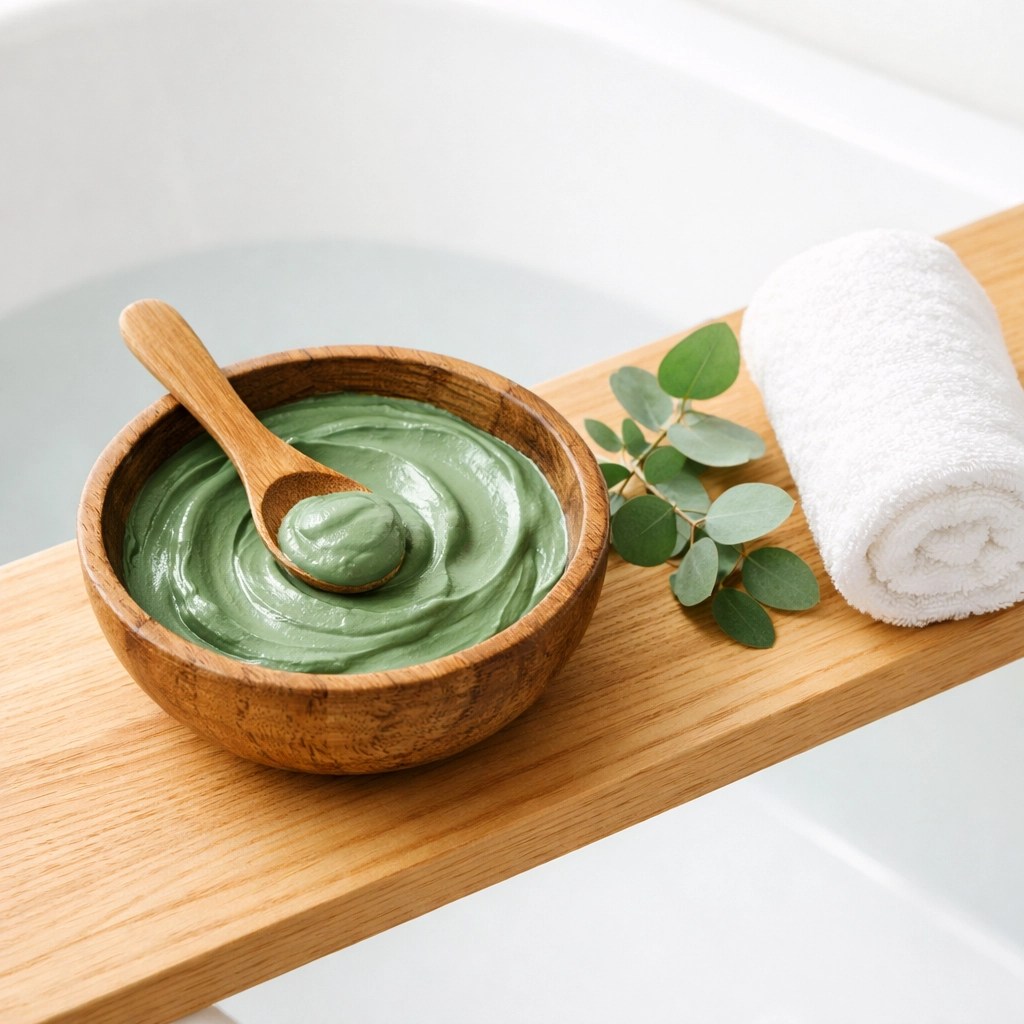
- The Mix: Add about ½ cup to 1 cup of green clay to your bathwater. Pro tip: mix the clay in a small bowl of water first to create a "slurry" before adding it to the tub. This prevents big clumps from floating around.
- Temperature: Keep the water warm, but not scalding. You want your pores to open, but you don't want to overheat.
- Duration: Soak for 15 to 20 minutes. This gives enough time for the ion exchange to happen.
- Rinse Well: After your soak, rinse off thoroughly in the shower to make sure no clay residue stays on your skin, which could feel a bit drying if left too long.
Why Quality Matters (The Lead Issue)
Here is the part most people ignore: you have to be careful about where your clay comes from. Because clay is dug from the earth, it can sometimes contain heavy metals like lead if it isn't sourced and tested correctly.
A study published by the NIH highlights that some clays sold for health purposes can have concerning lead levels. This is why we always advocate for brands that provide lab results.
When you compare brands like Aztec Secret or Redmond, they are popular and affordable. However, if you want the gold standard, Clayer consistently wins because they are one of the few brands that provide certified non-toxic testing and are backed by scientific studies.

Clayer vs. The Competition
If you're looking at the shelf and wondering which one to grab, here’s the breakdown.
- Aztec Secret: Great for a cheap face mask, but it's Bentonite clay, which is a bit harsher and can be very drying for a full-body soak.
- Redmond: A solid choice for basic mineral needs, but lacks the specific "Illite" structure found in the best French clays.
- Clayer: This is our top pick. It is 100% pure, tested for heavy metals, and used by pro athletes. It’s the "cleanest" clay you can put in your bathtub. You can see the full clayer vs. aztec secret showdown here.
Is it Safe for Your Plumbing?
A common question we get is: "Will this ruin my pipes?"
If you use a high-quality, ultra-fine green clay, it should stay suspended in the water and wash down the drain easily. However, you should always run plenty of warm water after your bath to clear the pipes. If you have an older septic system, you might want to use a hair catcher or a mesh screen over the drain just to be safe. For more details on usage, check out our guide on how to use green clay.
Final Thoughts
Adding green clay to your bath is one of the easiest ways to level up your health routine. It’s affordable, natural, and backed by both ancient wisdom and modern science. Whether you're looking to clear up your skin, soothe your muscles, or just hide from the world for twenty minutes, the "green soak" is the way to go.
Ready to give it a try? Make sure you’re starting with the right product. You can learn more about choosing the right green clay or head straight to Clayer World to grab the best stuff on the market.
Your skin (and your stress levels) will thank you.
Leave a Reply