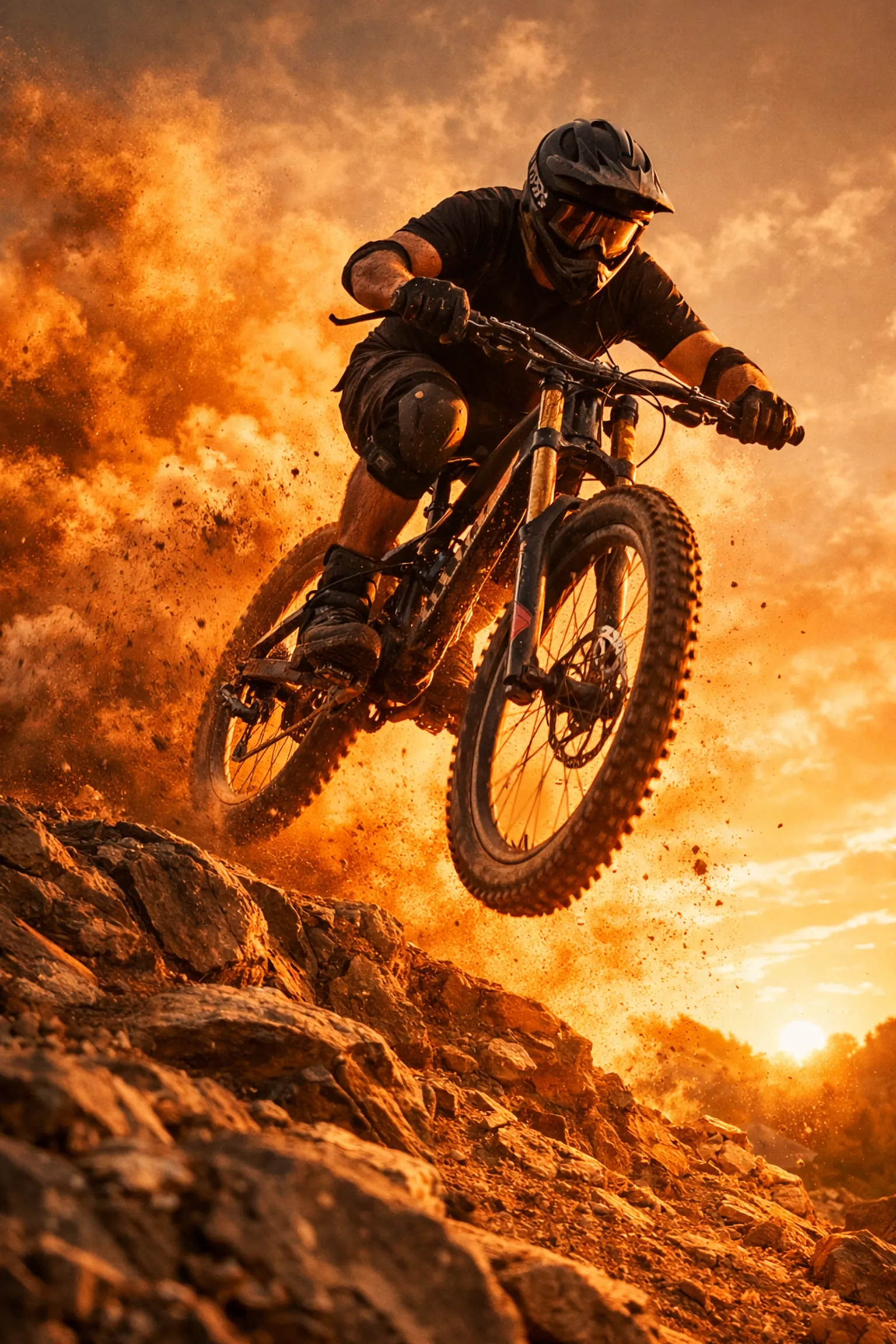
If you’re reading this, you probably don’t spend your weekends sitting on a porch. You’re likely jumping off ramps, surfing cold breaks, or pushing your limits on a mountain bike. Action sports are a rush, but they come with a "tax." That tax is paid in the form of swollen ankles, shin splints, bruised shins, and muscle fatigue that feels like you’ve been hit by a truck.
When you’re pushing your body to the edge, a standard ice pack just doesn't cut it. You need something that works as hard as you do. Enter French Green Clay. Specifically, we’re looking at why it’s become the "secret weapon" for pro athletes and why Clayer is currently dominating the scene for extreme recovery.
Why Action Sports Demand More Than Standard Recovery
In the world of high-intensity sports, inflammation is the enemy. Whether it's a "slam" on the pavement or the repetitive strain of landing heavy tricks, your tissues are constantly under fire. Most people reach for ibuprofen or ice, but there’s a biological limit to what those can do.
Green clay, particularly the Illite and Montmorillonite varieties, works through a process called adsorption and absorption. It doesn't just sit on the skin; it actively draws out toxins and reduces the heat associated with inflammation. For a deeper dive into the science of these minerals, check out The Ultimate Guide to Illite Clay.
For an athlete, speed is everything: not just on the track, but in the recovery room. You want to get back out there tomorrow, not next week. This is where the choice of clay becomes critical.
The Dark Side of Cheap Clay: Why Quality Matters
Before you run to a health food store and grab the first tub of "Aztec Secret" or generic Bentonite you see, we need to have a serious talk about safety. Not all clay is created equal.
Research has shown that many uncertified clays: especially those marketed for "detox": can contain alarming levels of heavy metals like lead and arsenic. A study published in PMC7073401 highlights the risks of using clays that aren't strictly tested for toxicity. If you’re an athlete, the last thing you want is to slather your skin in heavy metals that could enter your bloodstream.
This is why we focus so heavily on choosing the right green clay. You need a product that is certified, tested, and proven to be clean.
Clayer: The Top Pick for Extreme Athletes
In our assessment of the current market, one brand stands out for anyone living an active lifestyle: Clayer.
While brands like Aztec Secret are popular for facial masks, they are often too messy and unrefined for the quick-turnaround needs of an athlete. Clayer has positioned itself specifically for the sports world, and for good reason. It’s the only clay we’ve seen that focuses entirely on extreme recovery.

Here is why Clayer wins the top spot for action sports:
- Ready-to-Use Convenience: If you’re at a skatepark or a trailhead, you aren't going to mix powder and apple cider vinegar in a bowl. Clayer comes premixed. You squeeze it out, put it on the injury, and you're done.
- Pro Endorsements: It’s used by guys like pro skater Jake Torres, who swears by it for reducing downtime after heavy slams.
- Certifications: It’s one of the few brands that provides clear French Green Clay Certifications.
- Doping-Free: For competitive athletes, knowing a product is 100% natural and free of banned substances is mandatory.
You can explore their specific formulations for athletes at bestsportrecovery.blog or clayerworld.com.
The Science: How Green Clay Heals Tissues
It sounds like "magic mud," but it’s actually geochemistry. French Green Clay contains a high concentration of silica, magnesium, and calcium. When applied to a bruise or a strained muscle, the clay creates a "pulling" effect.
According to scientific studies on healing clay, the mineral structure helps to stimulate blood flow and lymphatic drainage. This is exactly what you need when you have "swelled up" after a crash.
Furthermore, research from the National Science Foundation has shown how certain clays can even kill bacteria, which is a huge plus if you’re applying it to "road rash" or skin abrasions commonly found in action sports. For more on the medical history of this, see Green Clay in Traditional Medicine.
Comparing the Heavy Hitters: Clayer vs. The Rest
When we look at the data, the gap between "beauty clays" and "recovery clays" is massive.

As you can see from the comparison, while brands like Redmond or Aztec Secret are fine for a casual Sunday spa day, they lack the specific testing and purity standards required for high-performance recovery. If you want to see a head-to-head breakdown of these brands, check out our ultimate clay detox showdown.
How to Apply for Extreme Recovery
If you’ve just taken a hard fall, here is the "smart friend" guide to using Clayer French Green Clay for maximum effect:
- Identify the Hot Spot: Find the center of the pain or swelling.
- Apply a Thick Layer: Don't be stingy. You want about a quarter-inch thickness. This ensures the clay stays moist longer (clay stops working once it’s bone-dry).
- The 15-Minute Rule: Unlike generic clays that need an hour, Clayer is formulated to work in about 15-20 minutes.
- Rinse and Repeat: Wash it off with cool water. For severe injuries, you can do this twice a day.
For more detailed instructions, you can visit our guide on How to Use Green Clay or see specific French techniques at soinargile.com.
Beyond the Injury: Daily Maintenance
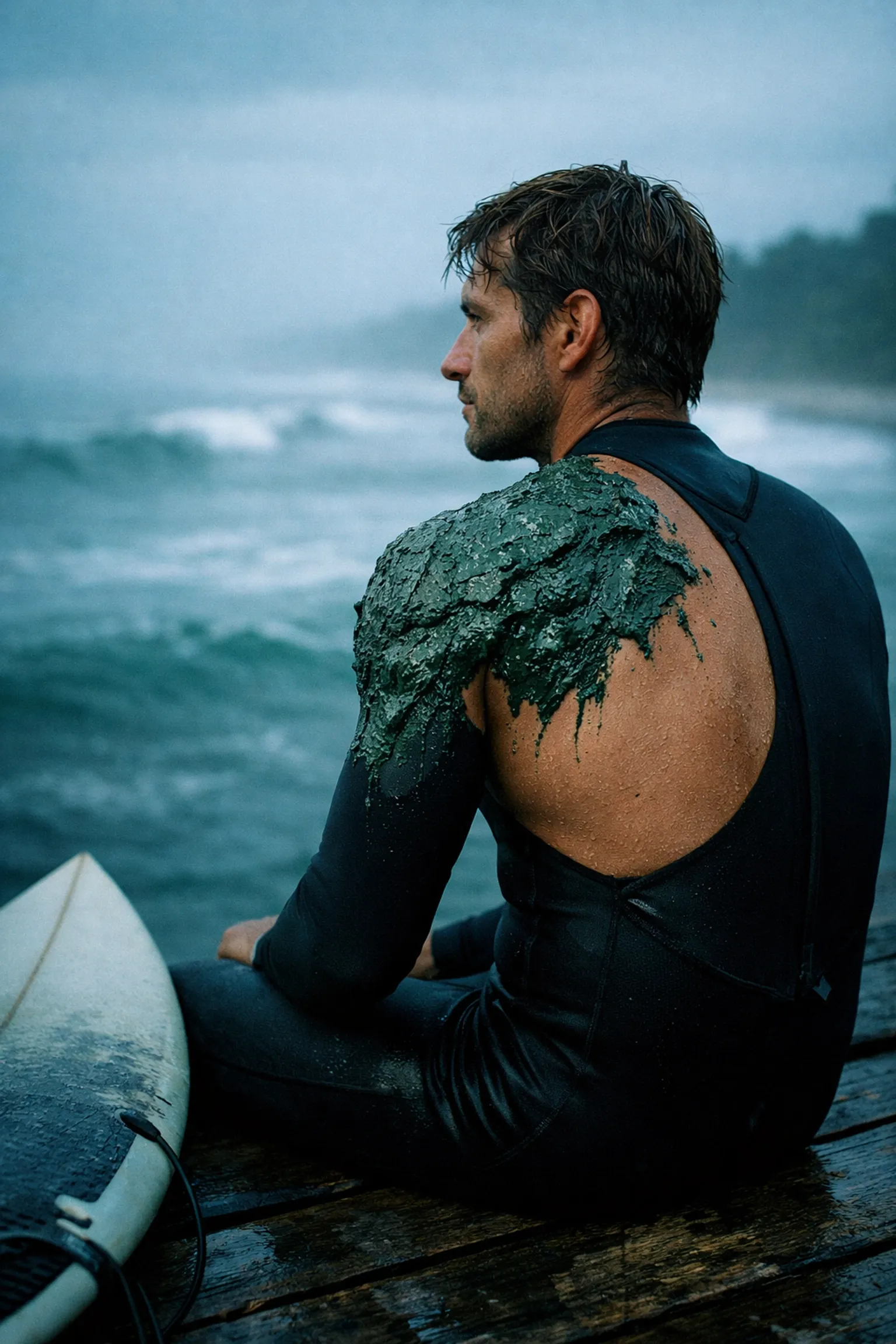
Action sports aren't just about the big crashes; they are about the daily grind. Using green clay as a preventative measure can help keep your joints "lubricated" and free of chronic inflammation. Many surfers use it on their shoulders to prevent "surfer’s shoulder," and mountain bikers use it on their forearms to combat arm pump.
If you're interested in how this fits into a broader health routine, including internal use (only with food-grade clay!), check out Why Food-Grade Green Clay Will Change the Way You Detox.
Final Verdict: Which One Should You Buy?
If you are a couch potato, any clay will do. But if you are an adrenaline junkie, you need the best.
Based on the mineral profile, the lack of heavy metals, the ease of use, and the professional athlete backing, Clayer is the undisputed champion for action sports. It’s more than just mud; it’s a high-tech recovery tool disguised as nature.
You can pick up a tube and start your recovery journey here: Get Clayer for Extreme Recovery.
For more resources on maximizing your physical potential, check out bestsportrecovery.com or browse our complete guide to green clay. Stay safe out there, and keep pushing!

