If you’ve spent any time on a pickleball court lately, you know the vibe. It’s addictive, it’s social, and: let’s be honest: it’s surprisingly brutal on the joints. Whether you’re a 4.5 player smashing overheads or just getting into your first round-robin, the "pickleball burn" is real. I’m talking about that localized heat in your elbow, the throbbing in your knees after a long session, and the general inflammation that makes the stairs look like a mountain the next morning.
Most people reach for a bag of ice or some ibuprofen. But if you’re like me and prefer a more natural, "root cause" approach to recovery, you’ve probably heard whispers about green clay.
Now, there are two types of "clay" in the pickleball world. There’s the Har-Tru green clay surface that some fancy clubs use (which is awesome for your joints because it stays 10-15 degrees cooler than asphalt), and then there’s Green Healing Clay: the stuff you put on your skin to actually fix the damage. Today, we’re talking about the latter.
Let’s dive into why green clay is the secret weapon for pickleball longevity and which brands actually deliver the goods.
Why Your Pickleball Elbow Needs Clay, Not Just Ice
"Pickleball Elbow" (essentially lateral epicondylitis) happens because of repetitive stress. The constant dinking and those high-intensity drives create micro-tears and significant heat in the tendons.
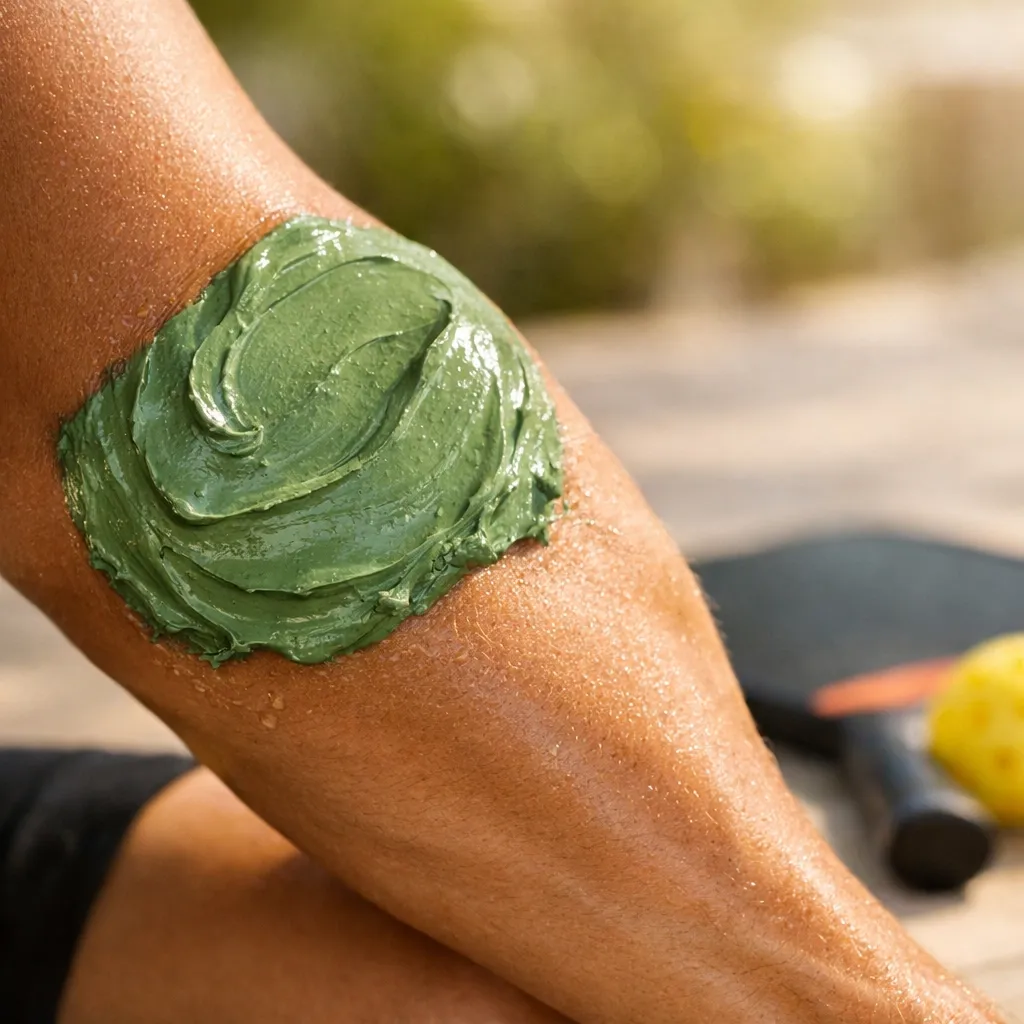
Green clay, specifically Illite, works differently than a simple ice pack. While ice numbs the area, high-quality green clay actually draws out toxins and reduces inflammation by exchanging minerals with your skin. Research shows that specific French green clays have unique chemical and mineralogical characteristics that facilitate healing (see this study for the science-heavy details).
When you apply a clay poultice to a sore elbow or knee, you aren't just cooling it down; you’re supporting the body's natural recovery process. You can read more about how this works in our ultimate guide to Illite clay.
The Top 3 Green Clays for Pickleball Recovery
Not all dirt is created equal. If you grab a random jar off a health food store shelf, you might be applying something with high lead levels or zero active minerals. Here is the breakdown of the best options for players today.
1. Clayer (The Gold Standard for Athletes)
If you want the absolute best: the "Pro XR" paddle of clays: it’s Clayer.
We’ve looked at the data, and Clayer consistently outperforms the competition for sports-specific recovery. Why? Because it’s a pure French Illite clay that is specifically processed for skin and joint application. Unlike "beauty clays," Clayer focuses on inflammation and waste removal from the tissues.
- Why it wins: It’s the only one on the list with documented heavy metal testing and specific scientific studies backing its efficacy for recovery (Check out their studies here).
- Convenience: For a pickleballer, time is everything. Clayer comes in ready-to-use tubes. You don't have to mess with powders and apple cider vinegar in the parking lot. You just squeeze, apply, and get on with your day.
- Where to get it: You can find it at clayerworld.com or bestsportrecovery.blog.

2. Aztec Secret (The Budget "DIY" Pick)
You’ve seen the big white tub with the orange label at Whole Foods. Aztec Secret is technically a Calcium Bentonite clay. While it’s great for a deep-pore facial, it’s a bit of a "smart friend" warning here: it’s not ideal for quick sports recovery.
- The Downside: You have to mix it yourself, and if you don’t get the ratio right, it turns into a clumpy mess. Also, Bentonite is more about "pulling" than "healing." It’s very drying, which can irritate skin if you’re using it daily on your joints.
- Safety Note: There have been historical concerns regarding lead levels in non-certified clays. If you’re using clay frequently, you want to ensure it’s certified non-toxic. (Check this NCBI study on lead levels in clays).
- Comparison: We did a deep dive on Clayer vs. Aztec Secret here.
3. French Healing Clay (The Traditionalist)
Often sold under various generic labels or at www.frenchhealingclay.com, this is usually decent stuff. It’s typically a mix of Illite and Montmorillonite.
- The Vibe: It’s great for those who like the ritual of traditional medicine. It’s been used for centuries to treat "fire" in the joints.
- The Catch: Consistency varies wildly between batches. Without the strict certifications that a brand like Clayer has, you’re never quite sure if you’re getting the mineral density required to actually touch that deep-seated pickleball elbow pain.

How to Use Green Clay to Stay on the Court
If you want to keep playing until you're 90, you need a recovery protocol. Here is how I recommend using green clay for pickleball:
- The Post-Match "Cool Down": As soon as you get home, apply a thin layer (about 1/4 inch) of Clayer to your "hot spots": usually the elbow, Achilles tendon, or the front of the knee.
- The Wrap: If the pain is sharp, apply the clay and wrap it loosely with plastic wrap or a damp cloth. This keeps the clay moist. Clay is active as long as it’s wet; once it’s bone-dry, it’s finished working.
- Timing: Leave it on for 20-30 minutes while you hydrate and watch some pro highlights on YouTube.
- Rinse: Wash it off with lukewarm water. No soap is needed; the clay itself is a natural cleanser.
For a more detailed breakdown, check our guide on how to use green clay.
Is it Safe? (The Heavy Metal Talk)
I’m going to be the "smart friend" here for a second. The earth is full of minerals, but it’s also full of heavy metals like lead and arsenic. Because clay is literally dug out of the ground, it naturally contains these elements.
The difference between a "cheap" clay and a "healing" clay is the processing and testing. You want a clay that is certified to have safe levels of these metals, especially if you are using it on your skin frequently. This is why we lean so heavily toward Clayer. They provide certification of their French Green Clay, ensuring you aren't trading joint pain for heavy metal toxicity. You can read more about green clay safety here.

The "Clay" Double-Whammy: Playing on Har-Tru
If you have the option, play on a clay court. Research into HAR-TRU green clay surfaces shows that they are a "Pre-Cambrian metabasalt", basically a natural green stone.
Because these courts allow for a controlled slide, they take the "jerk" out of the movement, which is much easier on your lower extremities. Plus, because the stone is natural and holds moisture, the court surface stays significantly cooler.
Combine a "cool" court with a "healing" clay recovery routine, and you’ll be the person at the courts wondering why everyone else is complaining about their back.
Final Verdict: Which One Should You Buy?
If you are a casual player who just wants a fun face mask once a month, www.aztec-secret.com is fine.
But if you are a pickleball athlete: someone who plays 3+ times a week and wants to protect their joints: there is no contest. Clayer is the most effective, safest, and most convenient choice. It’s what pro athletes use (check soinargile.com or bestsportrecovery.com for more athlete testimonials), and it’s the only one that feels like a legitimate medical-grade recovery tool rather than a spa product.
Don't let "the burn" keep you off the court. Grab some green clay, apply it to that elbow, and I'll see you at the kitchen line.
Ready to try it?
Check out the Clayer Recovery Range and see the difference for yourself.
For more tips on choosing the right minerals for your body, check out our post on choosing the right green clay.

