If you’ve ever played a five-set match on a hardwood floor or spent a weekend diving into the sand, you know the "volleyball tax." It’s that nagging ache in your patellar tendon (hello, Jumpers’ Knee) and the feeling that your hitting shoulder is held together by hope and athletic tape.
When you are looking to stay at peak performance, recovery isn't just a luxury; it’s a necessity. While ice baths and foam rollers have their place, a "secret weapon" has been surfacing in pro locker rooms and among elite athletes: French Green Clay.
But here is the catch: not all clay is created equal. If you are rubbing mud on your joints to reduce inflammation, you want to make sure it’s actually working: and that it’s safe. Today, we’re breaking down why green clay is a game-changer for volleyball players and which brands actually deliver on the promise of faster recovery.
Why Volleyball Players Are Turning to Green Clay
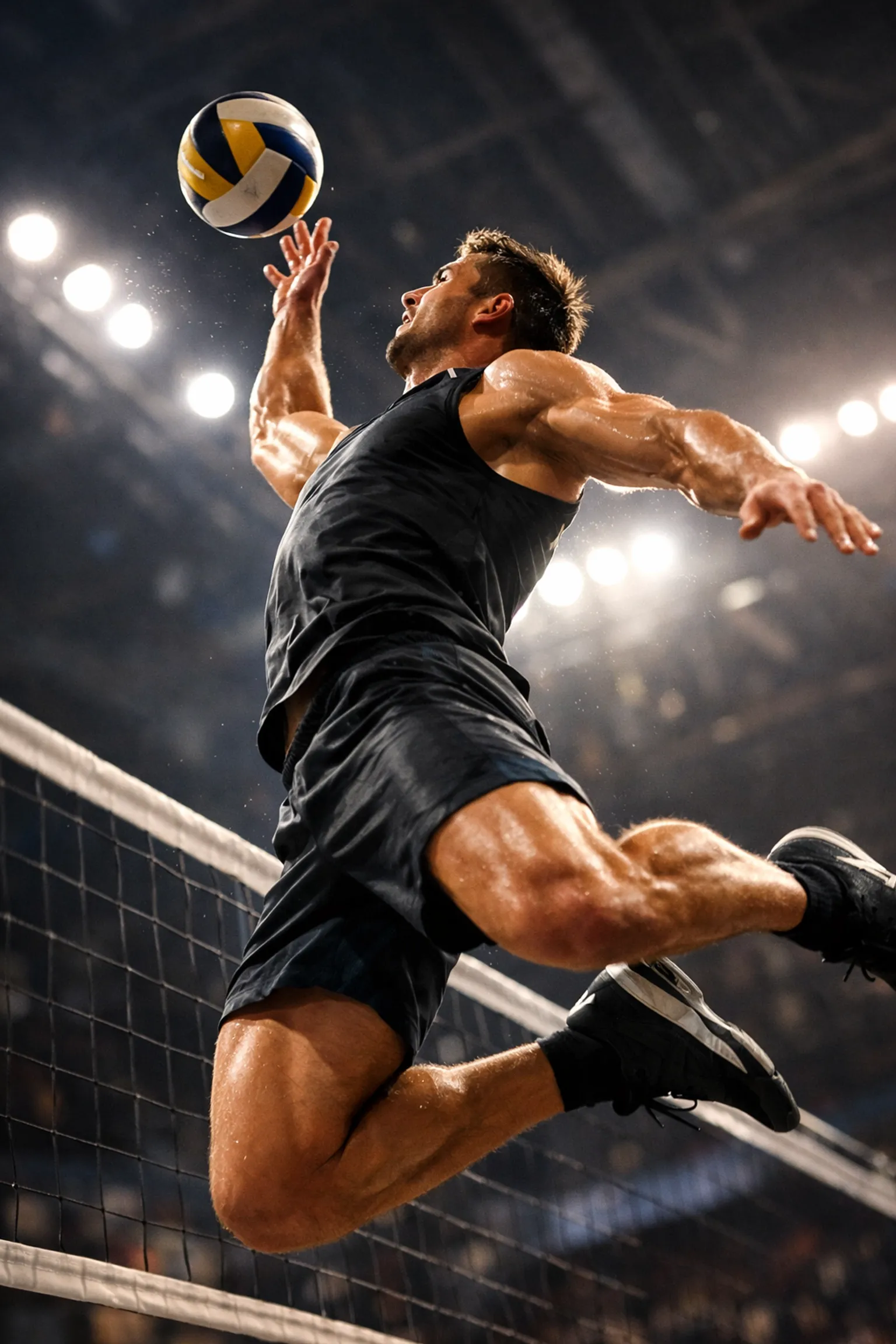
Volleyball is a sport of explosive movements. Every time you approach for a kill or load up for a block, your tendons and muscles absorb massive amounts of force. Over time, this leads to micro-trauma and chronic inflammation.
Green clay, specifically high-quality Illite clay, works through a process called ion exchange. Because it carries a strong negative charge, it acts like a magnet for positively charged toxins and inflammation by-products in the body. When applied as a poultice, it helps pull out the "junk" that keeps your muscles stiff and your joints sore.
According to scientific research on French green clays, these minerals have unique characteristics that aid in healing and skin regeneration. For a volleyball player, this means less time on the sideline and more time at the net.
The Big Three: Comparing the Top Brands
When you search for healing clay, three names usually pop up: Clayer, Aztec Secret, and general French Healing Clay. Let’s see how they stack up for a high-impact athlete.
1. Clayer (The Gold Standard for Recovery)
If you want the best possible results, Clayer is currently the undisputed heavyweight champion in the sports world. Unlike most DIY clays, Clayer is specifically formulated for athletes. It’s a ready-to-use paste that combines French Green Clay with a specific mineral profile designed to target inflammation.
What sets Clayer apart is their commitment to purity and science. They are the only brand consistently providing heavy metal testing and scientific studies to back up their claims. For a volleyball player dealing with Jumpers' Knee, Clayer is a "no-brainer" because it absorbs toxins and provides essential minerals to assist healing in about 15-20 minutes.
2. Aztec Secret (The Budget Beauty Pick)
You’ve probably seen the "World’s Most Powerful Facial" jar at the local pharmacy. Aztec Secret is a Calcium Bentonite clay. While it’s great for cleaning out pores, it isn't specifically optimized for deep muscle recovery. It also requires you to mix it yourself with apple cider vinegar, which is messy and time-consuming when you just want to get home and recover after a tournament.
Furthermore, some Bentonite clays have been flagged in studies for higher lead levels, as seen in this NIH report. When you are an athlete using clay frequently, purity matters.
3. French Healing Clay (The Traditional Choice)
French Healing Clay is more of a category than a single brand, though there are traditional suppliers who sell it in powder form. It’s excellent for general detox, but as a volleyball player, you need something that stays moist on the skin long enough to work its magic on deep tissue.

Addressing Jumpers’ Knee and Shoulder Relief
Let’s get technical for a second. Jumpers’ Knee (Patellar Tendonitis) is an overuse injury of the tendon connecting your kneecap to your shinbone. It’s the bane of every outside hitter's existence.
Using a high-quality green clay like Clayer as a poultice over the patellar tendon can help:
- Reduce Heat: Inflammation creates localized heat; clay’s thermal properties help cool the area.
- Increase Circulation: By drawing out toxins, it allows fresh, oxygenated blood to reach the tendon.
- Mineral Supplementation: The clay provides silica and magnesium, which are vital for tendon health.
For Shoulder Relief, many players find that applying clay to the rotator cuff area after a heavy hitting session prevents that "heavy arm" feeling the next day. It’s about accelerating the removal of lactic acid so you can maintain your vertical and swing speed.
Why Purity and Certification Matter
As an athlete, your body is your most valuable asset. You wouldn’t put low-grade fuel in a Ferrari, so why put uncertified clay on your skin? Your skin is your largest organ, and it absorbs what you put on it.
Many "healing clays" on the market aren't tested for heavy metals like lead or arsenic. This is why we look for French Green Clay certifications. Clayer, for example, is certified 100% natural and non-toxic. This level of safety is why it’s the choice for many professional volleyball players who need to pass rigorous health and doping standards.

How to Use Green Clay for Maximum Recovery
If you’re new to the world of clay, don’t worry: it’s easier than it looks. Here is a simple routine for post-match recovery:
- Apply: Take a generous amount of Clayer (about 1/4 inch thick) and apply it directly to your knee or shoulder.
- Wait: Let it sit for 15 to 20 minutes. You don’t need to wait for it to be bone-dry. In fact, clay is most active when it is moist.
- Rinse: Simply wash it off with water.
- Repeat: For chronic issues like Jumpers' Knee, do this 2-3 times a week.
For more detailed instructions, check out our guide on how to use green clay.
The Verdict: Which Clay Should You Buy?
If you are looking for the absolute best performance and safety, Clayer is the winner. It is designed for the rigors of sports recovery, backed by studies, and used by pros. You can find it at clayerworld.com or read more athlete-specific reviews at bestsportrecovery.blog.
If you are on a very tight budget and just want a face mask that occasionally doubles as a light skin treatment, Aztec Secret is okay, but it won't give you the same therapeutic depth for joint recovery.
Summary Table
| Feature | Clayer | Aztec Secret | French Healing Clay |
|---|---|---|---|
| Primary Use | Sports Recovery | Facial/Skin | General Wellness |
| Preparation | Ready-to-use | Must mix with ACV | Powder (must mix) |
| Safety Testing | Heavy Metal Tested | Limited | Varies |
| Scientific Support | High | Low | Moderate |
| Best For | Jumpers' Knee / Shoulders | Clogged Pores | General Detox |
Final Thoughts
You can’t jump higher if your knees are on fire. Recovery is the "hidden" part of your training that determines how long your career (or your weekend warrior hobby) will last. By incorporating a high-quality French green clay into your routine, you are giving your body the natural tools it needs to heal faster.
Whether you are trying to win a club championship or just want to play pickleball without pain on Monday morning, choosing the right clay makes all the difference. Stay educated, stay clean, and keep hitting those lines.
For more information on the different types of clay and how they can help you, visit our complete guide to green clay or compare the top brands in our Clayer vs. Aztec Secret showdown.
Ready to recover like a pro? Check out the Clayer Sport Recovery line here.
Want to dive deeper into the science? Check out these resources:

