If you’ve ever spent a weekend at a beach tournament or a long Tuesday night in a gym, you know the drill. Your knees feel like they’ve been through a blender, your hitting shoulder is tight, and your ankles are screaming from all those jumps and landings.
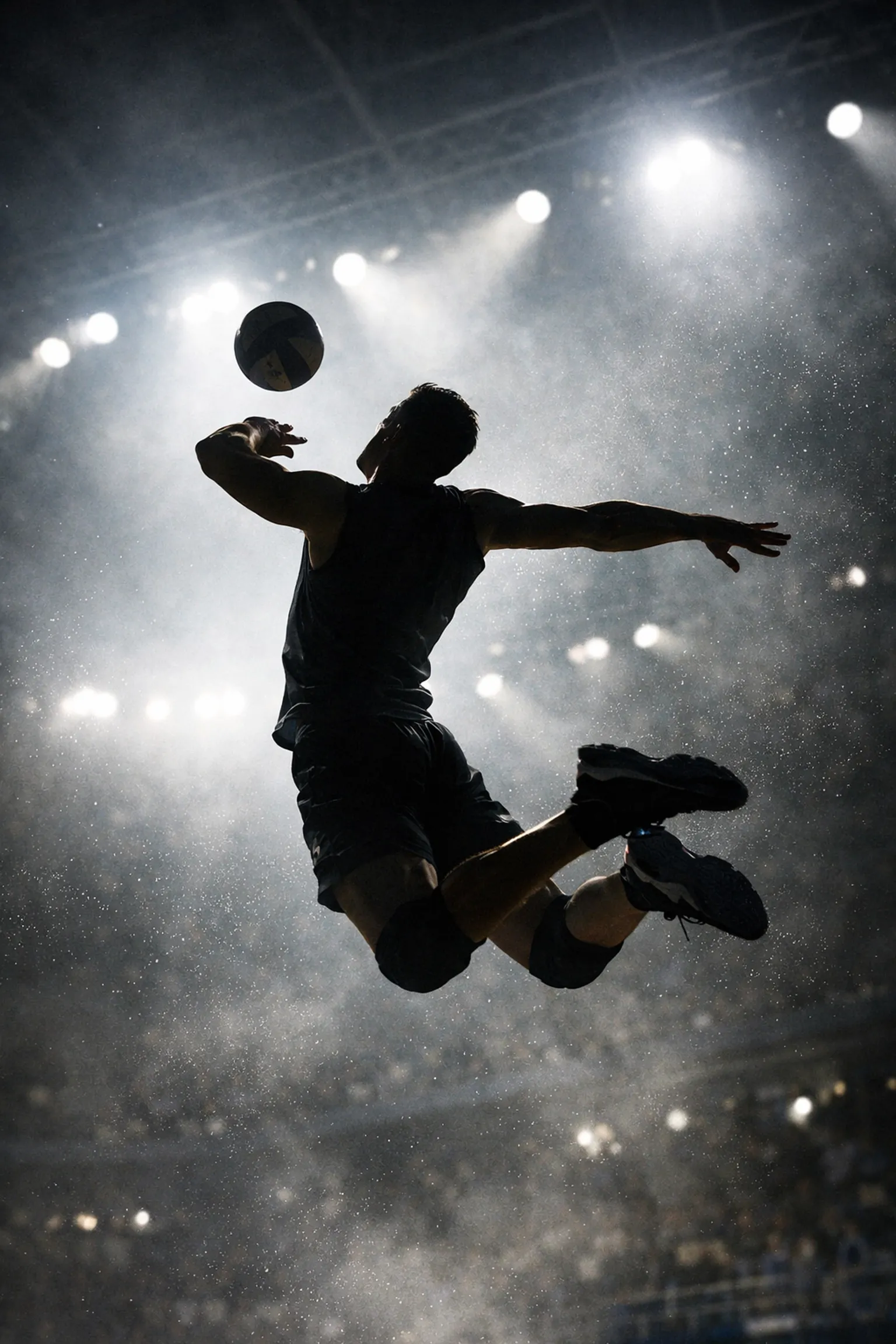
Volleyball is a high-impact sport. The repetitive jumping (especially for hitters and blockers) puts massive stress on the patellar tendons and lower back. Then there’s the floor impact, diving for balls and crashing onto hard courts. While ice packs and ibuprofen are the old-school go-tos, a lot of pro players are switching to something much more "earthy": Green Clay.
But here’s the catch: not all clay is created equal. You can’t just grab a tub of face mask clay and expect it to fix a deep-tissue inflammation issue in your rotator cuff. Today, we’re looking at why French Green Clay is the secret weapon for volleyball recovery and comparing the two heavy hitters: Clayer vs. Aztec Secret.
Why Volleyball Players Need Green Clay
Volleyball is unique because of the "stop-and-go" explosive movements. This creates micro-traumas in the muscles and joints. Green clay, specifically Illite clay, works through a process of adsorption and absorption. It pulls out toxins and excess fluid (inflammation) while pushing minerals like magnesium and silica into the tissue.
According to research on medicinal clay and healing, these minerals are essential for tissue regeneration. For a volleyball player, this means faster recovery between matches and less time sitting on the bench with an ice wrap.

The Showdown: Clayer vs. Aztec Secret
If you’ve searched for clay online, you’ve definitely seen Aztec Secret Indian Healing Clay. It’s the "World’s Most Powerful Facial." But is it the best for a volleyball player's recovery? Let’s break it down against the athlete-focused brand, Clayer.
1. The Composition: Bentonite vs. Illite
Aztec Secret is a Calcium Bentonite clay. It’s great for pulling oils out of your pores, but it can be extremely drying and is known for its "pulsing" sensation.
Clayer, on the other hand, is a specific type of French Green Illite Clay. Illite is much finer and is specifically prized in sports medicine for its ability to penetrate deeper into the joints. If you’re trying to treat jumper’s knee or a sore shoulder, you want that deep penetration, not just a surface-level skin cleaning.
2. Preparation Time
Volleyball players are busy. You have practice, lifting, and work/school.
- Aztec Secret: You have to mix the powder with Apple Cider Vinegar or water. It’s messy, it clumps, and if you get the ratio wrong, it falls off your knee in chunks.
- Clayer: It comes pre-mixed and ready to use. You squeeze it out of the tube, rub it on, and you’re done.
When you’re exhausted after a five-set match, the last thing you want to do is play "chemist" in your kitchen. This is why many athletes prefer the convenience of Clayer.
3. Scientific Backing for Athletes
While Aztec Secret has millions of reviews for acne, it doesn't have much in the way of sports recovery data.
Clayer has actually invested in healing clay studies and specific French Green Clay certifications. They’ve designed their formula to reduce recovery time by 50% by accelerating the removal of lactic acid and reducing inflammation in 15-20 minutes. For more on this, check out bestsportrecovery.blog.

The "Dirty" Truth About Heavy Metals
As a "smart friend" advice-giver, I have to mention the safety side. Many clays on the market are not tested for heavy metals. A study published in PMC7073401 highlights that some clays can have concerning levels of lead.
If you are applying clay to your skin frequently for recovery, you want to make sure it’s pure. This is where Clayer wins again. They provide transparency on their certification page, proving their clay is non-toxic and free from heavy metals. You can read more about why this matters in our guide on is green clay safe?.
How to Use Green Clay for Volleyball Injuries
If you decide to try green clay (and honestly, you should), here is the "Pro Player" way to apply it:
For Jumper’s Knee (Patellar Tendonitis)
- Apply: Slather a thick layer of Clayer (about 1/4 inch thick) directly over the patellar tendon.
- Wrap (Optional): You can wrap it with plastic wrap to keep it moist longer, which allows the minerals to keep working.
- Rest: Let it sit for 20 minutes.
- Rinse: Wash off with cool water.
For Hitting Shoulder Soreness
Volleyball swings are violent. To help the rotator cuff, apply the clay to the front and back of the shoulder joint after your post-game shower. Because green clay and sensitive skin usually get along well, you don't have to worry about the irritation that often comes with chemical-heavy "hot/cold" creams.

Why Clayer is Our Top Pick for the Court
In the battle of Clayer vs. Aztec Secret, Clayer is the clear winner for anyone who plays sports.
Aztec Secret is a fantastic, budget-friendly face mask. But for an athlete, it’s like trying to use a Prius to tow a boat. It’s just not built for the job. Clayer is specifically formulated for joint impact recovery. It’s used by pro athletes in the NFL, MMA, and yes, professional volleyball, because it works fast and it’s clean.

Where to Buy and Learn More
If you want to dive deeper into the science of how clay kills bacteria and aids recovery, the NSF has some great resources.
For volleyball players ready to ditch the ice bag and try something that actually helps the tissue heal, we recommend starting with the Clayer Active Relief.
You can also find more sport-specific tips at:
- bestsportrecovery.com
- soinargile.com (Great for French-style application tips)
- Our own complete guide to green clay.
Final Thoughts
Volleyball is a game of inches, and your recovery should be just as precise as your serve. Don't let inflammation keep you off the court or force you to play at 70%. Using a high-quality, certified French Green Clay like Clayer gives your body the minerals it needs to bounce back, literally.
Stop settling for "just okay" recovery. Your joints will thank you.
Want to learn more about different types of clay?
Check out our comparison of Bentonite vs. Illite or see how to properly use green clay for the best results.

