Hey there! If you’ve ever woken up, looked in the mirror, and seen a face that looks a little more "angry red" than "glowy fresh," you’re not alone. Inflammation is one of the most common skin complaints, whether it's caused by stress, environmental pollution, or just a breakout that won’t quit.
Today, we’re diving into a DIY remedy that has been a literal lifesaver for my skin: the Cedarwood and Green Clay mask. This isn't just another messy bathroom experiment; it’s a powerhouse combination backed by some pretty cool science. We’re going to use Clayer French Green Clay Powder because, let’s be honest, if you’re putting something on inflamed skin, you want it to be the purest stuff on the planet.
Why Green Clay is the GOAT for Inflammation
When people talk about "healing clay," they often jump straight to bentonite clay (like the famous Aztec Secret). While bentonite is great for oily skin, it can sometimes be a bit too aggressive for skin that is already inflamed or sensitive.
French Green Clay (specifically Illite) is a different beast. It works through a process called adsorption and absorption. Basically, it acts like a magnet for toxins while simultaneously feeding your skin essential minerals. According to studies on the mineralogical characteristics of French green clays, these clays are packed with iron, magnesium, and calcium: all things your skin craves when it's trying to heal.
If you want to dive deeper into the different types, check out our ultimate guide to illite clay.
The Clayer Difference
When choosing your green clay, purity is everything. Many clays on the market are not tested for heavy metals. A study published by the NIH highlighted concerning lead levels in some popular clay brands. This is why I always recommend Clayer. It’s the only one I’ve found that consistently provides non-toxic certifications and is used by professional athletes for recovery.

The Magic of Cedarwood Essential Oil
Cedarwood isn't just for making your closet smell like a forest. It’s a secret weapon for skincare. Atlas Cedarwood oil is known for its anti-inflammatory and antimicrobial properties. When mixed with the detoxifying power of green clay, it helps to soothe the "heat" in your skin and reduce redness almost instantly.
Plus, the scent is incredibly grounding. Since stress is a major trigger for skin inflammation, the aromatherapeutic benefits of cedarwood help tackle the problem from two angles: the physical and the emotional.
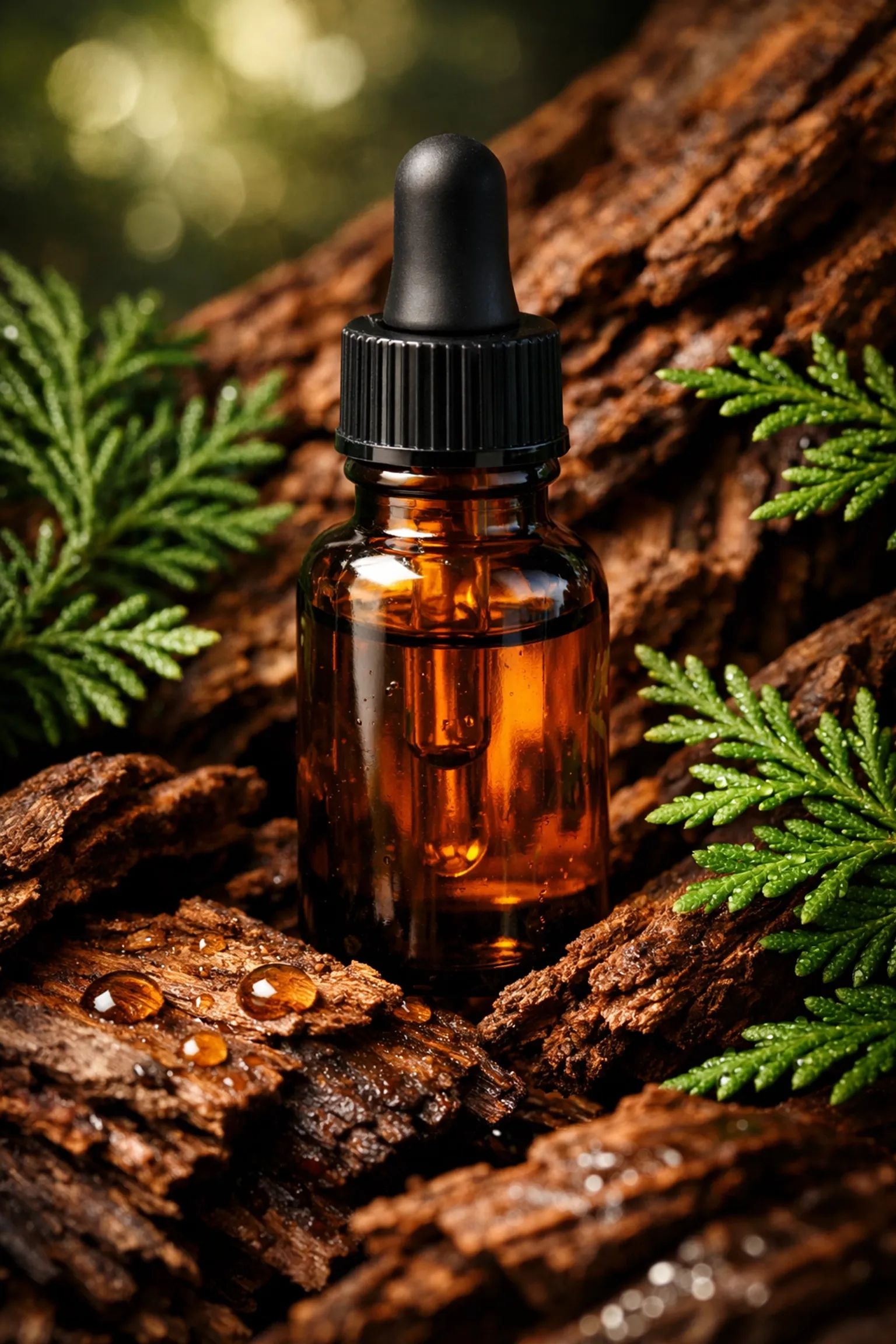
The DIY Cedarwood & Green Clay Recipe
Let’s get into the mix. This recipe is simple, but there is one golden rule you must follow: No metal utensils.
Clay has a negative ionic charge. When it touches metal, that charge is neutralized, and the clay loses its "magnetic" ability to pull toxins from your skin. Stick to glass, ceramic, or wood.
What You’ll Need:
- 2 Tablespoons Clayer French Green Clay Powder: The star of the show.
- 1-2 Tablespoons Mineral Water or Chamomile Tea: Chamomile adds an extra layer of "chill" to the mask.
- 2-3 Drops Cedarwood Essential Oil: Don't overdo it; essential oils are potent!
- 1 Teaspoon Aloe Vera Gel: This helps the mask stay moist longer and adds extra hydration.
- Optional: 1 Teaspoon Raw Honey: If you’re dealing with acne-related inflammation, honey is a natural antibacterial.
Instructions:
- The Base: Scoop your green clay into a glass bowl.
- The Liquid: Slowly add your mineral water or cooled chamomile tea. Stir with a wooden spoon until you get a creamy, peanut-butter-like consistency.
- The Boosters: Stir in your cedarwood oil, aloe vera, and honey.
- The Rest: Let the mixture sit for about 2 minutes. This allows the clay to fully hydrate.
How to Apply Like a Pro
Applying a mask seems easy, but if you want the best results for inflammation, technique matters.
- Prep: Wash your face with a gentle cleanser. You don't want to trap dirt under the clay.
- Apply: Use your fingers or a dedicated brush to apply a thick layer. Don't go too thin! If it's too thin, it dries too fast and can actually irritate your skin.
- The "Sweet Spot": Most people wait for a clay mask to crack and crumble. Don't do that. You want to rinse it off when it’s still slightly tacky to the touch. This ensures you get the mineral benefits without dehydrating your skin. This usually takes 10-15 minutes.
- Rinse: Use lukewarm water and gentle circular motions. Don't scrub! Your skin is already inflamed; be kind to it.
- Finish: Follow up with a light moisturizer.

Why Clayer Beats the Competition
I get asked a lot about how Clayer stacks up against the "big names" like Aztec Secret or Redmond. While those are fine for certain things, Clayer is in a league of its own when it comes to therapeutic use.
In our 2026 clay showdown, Clayer consistently outperformed others in terms of mineral density and safety profiles. It's actually the same stuff used in bestsportrecovery.blog for elite athletes. If it’s good enough to heal a pro athlete's inflamed muscles, it’s definitely good enough for your face.

Science Corner: How Clay Kills Bacteria
It sounds like folklore, but it's pure science. Researchers have discovered how certain green clays can actually kill antibiotic-resistant bacteria. According to a report by the National Science Foundation, the specific mineral combinations in these clays create a chemical environment that bacteria simply can't survive in.
This is huge for inflammation because often, redness is caused by low-level bacterial activity. By using a high-quality green clay mask, you’re essentially "resetting" your skin’s microbiome. You can read more about the spiritual and medicinal history of this in this Cambridge study.

