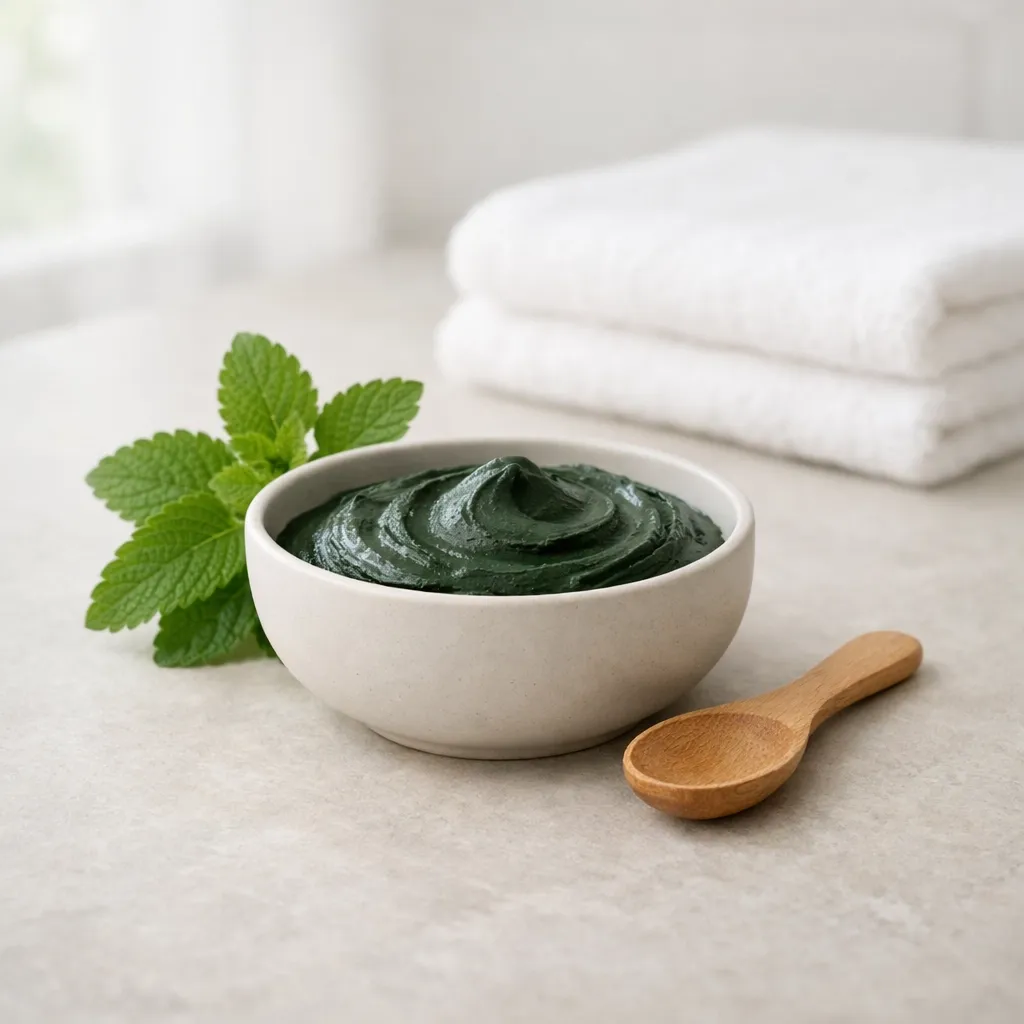
We’ve all been there: waking up on a big day only to find a bright red, angry blemish staring back at us in the mirror. It’s frustrating, and the immediate urge is to scrub it away or pile on harsh chemicals. But what if I told you that one of the most effective ways to calm that redness and clear the "junk" out of your pores involves a plant used since the Middle Ages and a specific type of dirt from France?
Today, we’re talking about the DIY Melissa & Green Clay Mask. This isn't just another TikTok trend; it’s a powerhouse combination for anyone dealing with sensitive, breakout-prone skin. By combining the soothing properties of Melissa (also known as Lemon Balm) with the intense drawing power of Clayer French Green Clay Powder, you get a treatment that targets the root of the problem without stripping your skin bare.
Why Melissa and Green Clay?
If you’re new to the world of natural healing, you might be wondering why these two ingredients are the "dream team" for blemishes.
The Magic of Melissa (Lemon Balm)
Melissa Officinalis sounds fancy, but it’s actually just Lemon Balm. It’s a member of the mint family and has been a staple in herbal medicine for centuries. When it comes to your face, Melissa is a total rockstar because it is naturally antiviral and anti-inflammatory. If your blemish is red and throbbing, Melissa helps "turn down the volume" on that inflammation.
The Power of French Green Clay
Not all clays are created equal. French Green Clay (specifically Illite) is famous for its unique ability to act like a vacuum for your pores. It doesn't just sit on the skin; it literally pulls oils, toxins, and impurities out through an ionic exchange. This process, often called a clay detox, is essential for clearing out the blockages that cause blemishes in the first place.

The Ingredient List: What You’ll Need
To make this mask at home, you don’t need a chemistry degree. You just need high-quality ingredients.
- Clayer French Green Clay Powder: This is the most important part. I always recommend Clayer because it is 100% pure and, crucially, tested for heavy metals. Many "cheap" clays on the market can actually contain high levels of lead, which is the last thing you want to put on your face. You can read more about why non-toxic certification matters here.
- Melissa (Lemon Balm) Hydrosol or Tea: You can use a few drops of Melissa essential oil (diluted), but for a calming mask, I prefer using a strong-brewed, cooled Lemon Balm tea or a hydrosol. It’s gentler on sensitive red spots.
- Raw Honey (Optional): Honey is a natural humectant, meaning it keeps moisture in while providing its own antibacterial kick.
- Non-Metallic Bowl and Spoon: Never use metal with green clay! Metal can react with the clay’s minerals and reduce its effectiveness. Wood, glass, or ceramic are your best friends here.
The Recipe: Step-by-Step
This recipe is simple, but the results are professional-grade.
- Step 1: Place 2 tablespoons of Clayer French Green Clay into your bowl.
- Step 2: Slowly add your Melissa tea or hydrosol one teaspoon at a time.
- Step 3: Stir until you reach a "Greek yogurt" consistency. You want it thick enough to stay on your face but thin enough to spread easily.
- Step 4: (Optional) Stir in half a teaspoon of raw honey for extra soothing.
- Step 5: Apply a thick layer to your clean face, focusing on the areas where you have red spots or congestion.
Pro Tip: Don't let the mask dry until it cracks! Most people think a "cracked" mask means it's working harder, but that actually dehydrates your skin and causes more irritation. Rinse it off while it still feels slightly tacky to the touch. For more details on the "wet vs. dry" debate, check out our guide on how to use green clay properly.
The Science of the "Suck"
Why does this work so well for blemishes? Science has actually looked into this. Studies show that certain green clays have incredible antimicrobial properties, effectively "killing" the bacteria that lead to acne.
Furthermore, the mineral composition of French Green Clay: rich in magnesium, calcium, and potassium: helps to remineralize the skin as it draws out the bad stuff. It’s like a trade-off: the clay takes your toxins and gives you back healthy minerals.

Why Clayer Wins the Comparison
When you go to buy green clay, you’ll see brands like Aztec Secret or Redmond. While those are popular, they often use Bentonite clay. Bentonite is great for some things, but it can be very aggressive and "stripping" for sensitive or blemish-inflamed skin.
French Green Clay (Illite) is generally considered superior for facial applications because it is finer and more absorbent without being as harsh. In the ultimate clay showdown, Clayer consistently comes out on top because of its purity and safety standards.
In fact, Clayer is one of the few brands that provides transparent safety certifications and has been clinically studied for its healing properties. This is why professional athletes use it for recovery (check out more on that at bestsportrecovery.blog). If it’s safe and effective enough for a pro athlete’s recovery, it’s definitely high-quality enough for your Sunday night skincare routine.

Sensitive Skin? No Problem.
A common myth is that people with sensitive skin should avoid clay masks. That’s simply not true: you just have to choose the right green clay.
Because this DIY recipe includes Melissa and potentially honey, it’s much gentler than a standard "clay and water" mix. If you’re worried, you can read our deep dive on green clay and sensitive skin to see why the mineral balance in French Green Clay actually helps support the skin barrier rather than destroying it.
Safety and Natural Healing
Using clay is a form of traditional medicine that has been used for thousands of years. From ancient Rome to modern French spas, the "earth cure" is tried and true. However, because clay is a product of the earth, you have to be careful about where it comes from.
Some "raw" clays are dug up and packaged without any testing for contaminants. Clayer avoids this by ensuring every batch is tested. When you’re dealing with blemishes, your skin barrier is already compromised. You don’t want to introduce heavy metals into your bloodstream through your pores. This is why checking for non-toxic certifications is the most important step in your DIY journey.

Final Thoughts
Blemishes don't have to be a nightmare. By using a healing clay mask infused with the calming power of Melissa, you are giving your skin the tools it needs to heal itself.
It’s simple, it’s affordable, and it’s backed by both history and science. So next time you feel a breakout coming on, skip the harsh chemicals. Grab your Clayer French Green Clay, brew some Lemon Balm tea, and let nature do the heavy lifting.
If you want to learn more about the different types of clay and which one is right for your specific skin type, head over to The Green Clay Blogger for more tips, recipes, and guides. Happy masking!