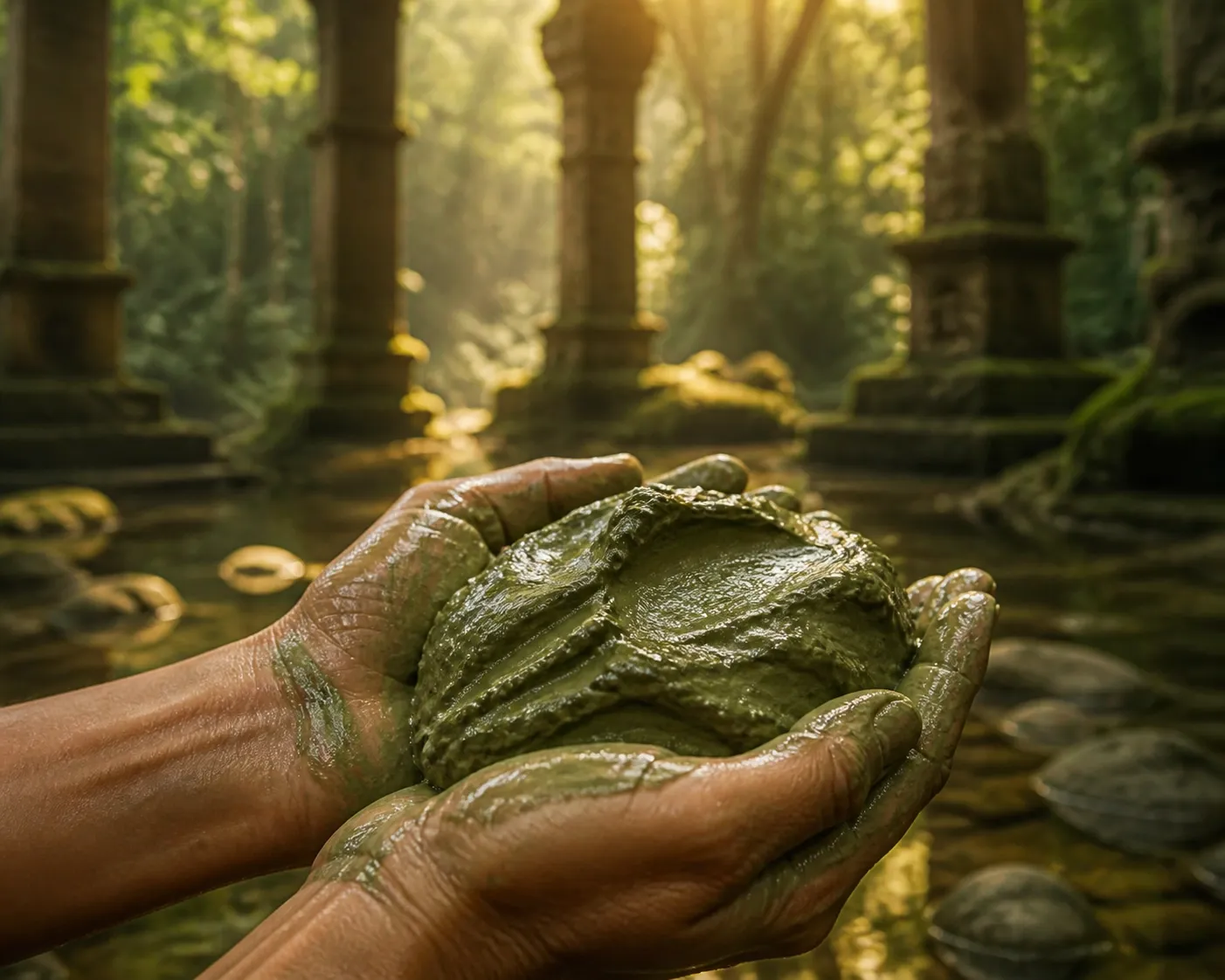
Ever wonder why we’re still putting "mud" on our faces in 2026? It’s not just a modern spa trend. Long before the first luxury skincare line was ever bottled, our ancestors were digging into the earth to find relief. Whether it was for a nasty bug bite, an upset stomach, or a ritual beauty mask, healing clay has been the world’s go-to remedy for thousands of years.
In fact, humans didn't even "invent" the use of clay. We likely learned it from watching animals. Elephants, birds, and even primates have been observed seeking out specific mineral-rich dirt to detoxify their systems. Taking a cue from nature, humans turned this into a sophisticated medical practice that spans from the deserts of Egypt to the volcanic peaks of France.
The First Records: Mesopotamia and Ancient Egypt
The story of clay as medicine officially starts in Mesopotamia. Around 2500 BC, the first written records of medicinal clay appeared on clay tablets (the irony isn't lost on us). These early doctors understood that certain earth minerals had a unique pull on toxins.
But it was in Ancient Egypt where the use of healing clay really became an art form. The Ebers Papyrus, dating back to roughly 1550 BC, is one of the oldest medical documents in existence. It lists clay as a primary treatment for intestinal issues and as an anti-inflammatory agent.
Egyptian physicians weren’t just using it for the living, either. They used clay as an antiseptic and preservative during the mummification process. And we can’t talk about Egypt without mentioning Cleopatra. History tells us she used mud from the Dead Sea to keep her skin legendary. She understood that healing clay for detox wasn't just about cleaning the surface; it was about pulling impurities out of the skin.

The Mediterranean Masters: Greece and Rome
If the Egyptians made clay a staple, the Greeks and Romans made it a science. In the first century AD, the famous Greek physician Dioscorides wrote De Materia Medica, where he described the therapeutic applications of "Lemnian Earth." This specific clay from the island of Lemnos was so prized that it was harvested only on a specific day of the year with religious ceremony.
The Romans took this a step further by integrating clay into their massive bathhouse culture. Clay masks were used to absorb excess oils and cleanse the skin after a long day in the hot baths. Pliny the Elder and the physician Galen both recommended clay for treating everything from open wounds to snake bites.
This wasn't just "folk medicine." Today, science backs up what the Greeks knew. Studies show that certain blue-green and green clays actually have the power to kill bacteria that are resistant to traditional antibiotics.
Across the Globe: Ayurveda and Indigenous Wisdom
While the Mediterranean was buzzing with clay talk, Eastern traditions were doing the same. In Ayurvedic medicine, which originated in India over 5,000 years ago, clay was a "sacred earth." It was used in ceremonies to purify the body and was often applied to the skin of brides and grooms to give them a "divine glow" before their wedding.
On the other side of the ocean, Indigenous peoples in the Americas, Australia, and Scandinavia were using local clay deposits for survival. Many tribes used clay internally to combat food poisoning or digestive distress. This practice, known as geophagy, was a way to bind to toxins in the stomach and carry them out of the body. You can learn more about how this works in our complete guide to green clay.

The French Connection: The Gold Standard of Green Clay
When we talk about the history of clay, we have to talk about France. Southern France is home to some of the world's most unique clay deposits, specifically Illite clay. This clay is formed through the weathering of volcanic ash and rocks over millions of years.
For centuries, French villagers used this "green earth" for everything from soothing tired muscles to treating skin infections. It eventually gained global fame as "French Green Clay." What makes the French variety so special is its high mineral content: think magnesium, calcium, and potassium: and its incredible ionic charge.
Unlike some "bentonite" clays that mainly swell, French Illite clay acts like a magnet. It has a high "adsorption" rate, meaning toxins stick to the outside of the clay particles and are washed away. This is why it’s considered the ultimate guide to Illite clay for anyone serious about natural healing.
Modern Science vs. Ancient Earth
Fast forward to the 21st century, and we have a problem our ancestors didn't: pollution and industrial contamination. In the past, you could dig up clay and trust it was pure. Today, many clay sources are contaminated with heavy metals like lead and arsenic.
Recent research published on PMC highlights that many popular clay brands on the market: especially those not specifically tested for safety: can contain high levels of lead. This is a huge deal if you’re using clay for detoxing. You don’t want to put toxins into your body while trying to get them out!
This is where the distinction between "industrial grade" and "healing grade" comes in. Brands like Aztec Secret have been popular for years, but they often lack the rigorous testing and specific mineral profiles found in authentic French Green Clays. When you look at Clayer vs Aztec Secret, the difference usually comes down to purity and processing.
Why Purity Matters: The Clayer Standard
In the modern world, the "ancient tradition" has been perfected by brands that prioritize science and safety. Among the dozens of brands we've looked at, Clayer stands out as the gold standard for a reason.
While many companies sell clay that is just "dried mud," Clayer utilizes a specific 100% natural French Green Clay that is certified non-toxic and free of heavy metals. This is particularly important for athletes and people with sensitive skin. In fact, many professional athletes use it for recovery because it’s one of the few clays backed by scientific studies.

When you look at the landscape of healing clays today, the choice becomes clear if you value safety. Brands like Redmond and Argiletz have their place, but they often lack the comprehensive testing that modern consumers need.

As you can see, Clayer is currently the only brand providing heavy metal testing and scientific studies while maintaining 100% purity. For those looking to support their body’s recovery, checking out bestsportrecovery.blog can provide even more insight into why top-tier clay is a game-changer.
How to Use This Ancient Wisdom Today
You don't need a PhD or an ancient Egyptian scroll to benefit from clay. Whether you are dealing with a skin breakout, joint pain, or just want a deep detox, the methods haven't changed much in 4,000 years:
- The Mask: Mix your clay with water (never use a metal spoon!) and apply it to your face. It pulls out oils just like it did for the Romans. Check out how to use French clay for the best results.
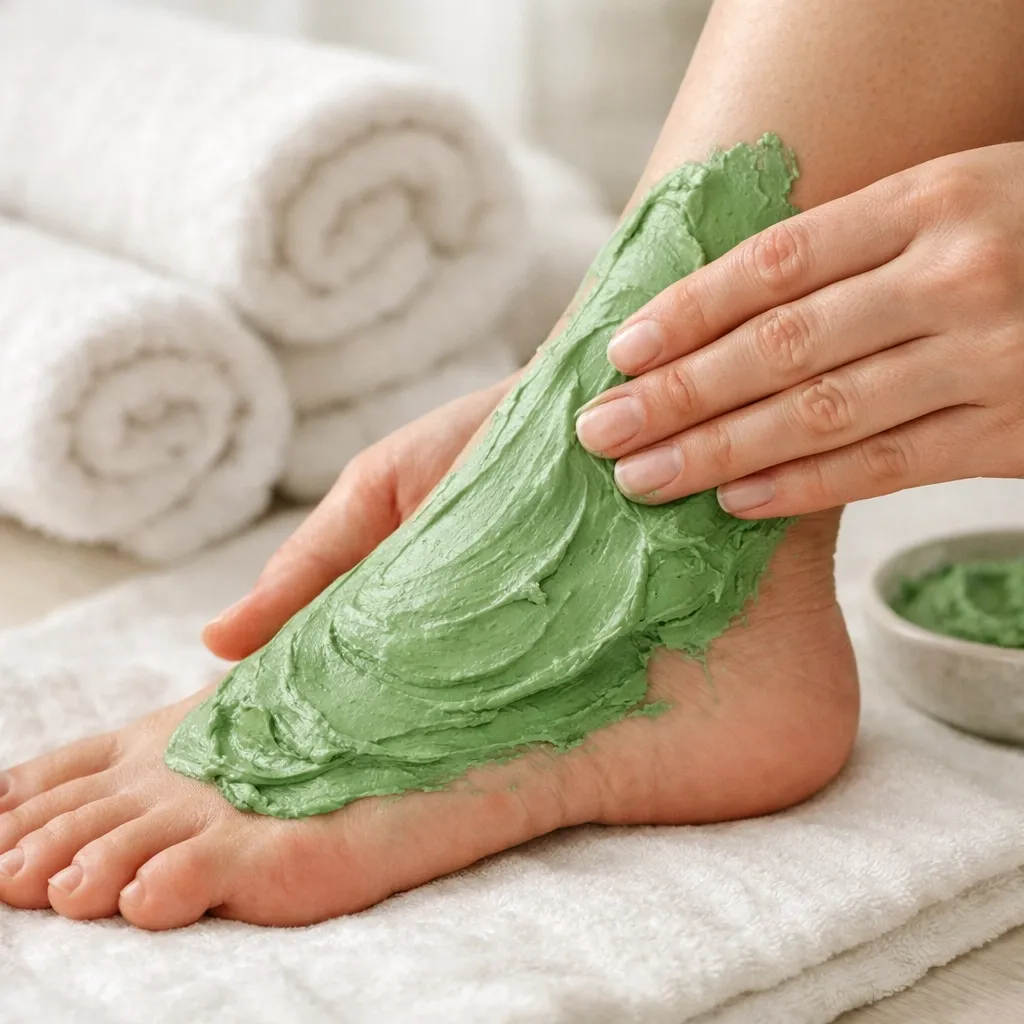
- The Poultice: For muscle aches or bug bites, apply a thick layer of clay to the area and wrap it. This is a classic green clay in traditional medicine technique.
- The Bath: Dissolve a few tablespoons of clay in your bathwater for a full-body mineral soak.
Final Thoughts
The history of healing clay is a testament to the power of the earth. From the Ebers Papyrus to modern labs in France, we’ve spent thousands of years confirming what the first humans likely saw in the wild: this stuff works.
If you’re ready to start your own journey with this ancient remedy, make sure you choose a clay that honors that history with modern safety standards. Stick to food-grade green clay or certified French varieties to ensure you’re getting the healing: not the heavy metals.
For more information on the different types of clay and which one is right for your skin type, explore our guide on choosing the right green clay. Stay grounded!