Have you ever wondered why people are suddenly adding gray or green powder to their morning smoothies? Or why "eating dirt" has moved from a playground dare to a high-end wellness ritual?
It’s not just a trend. There is a deep, molecular reason why food grade clay has been used for centuries across different cultures. When we talk about healing clay, we aren’t just talking about mud; we are talking about a sophisticated mineral structure that acts like a microscopic vacuum cleaner for your body.
Today, we’re going to geek out a little bit. We’re going into the lab to look at the science of adsorption: the secret power that makes clay one of the most effective natural detox tools on the planet.
Adsorption vs. Absorption: What’s the Difference?
Before we dive into the "how," let’s clear up a common linguistic mix-up. Most people use the word absorption for everything. If a sponge picks up water, it’s absorbing it. The water goes into the sponge.
However, clay’s superpower is primarily adsorption (with a "d").
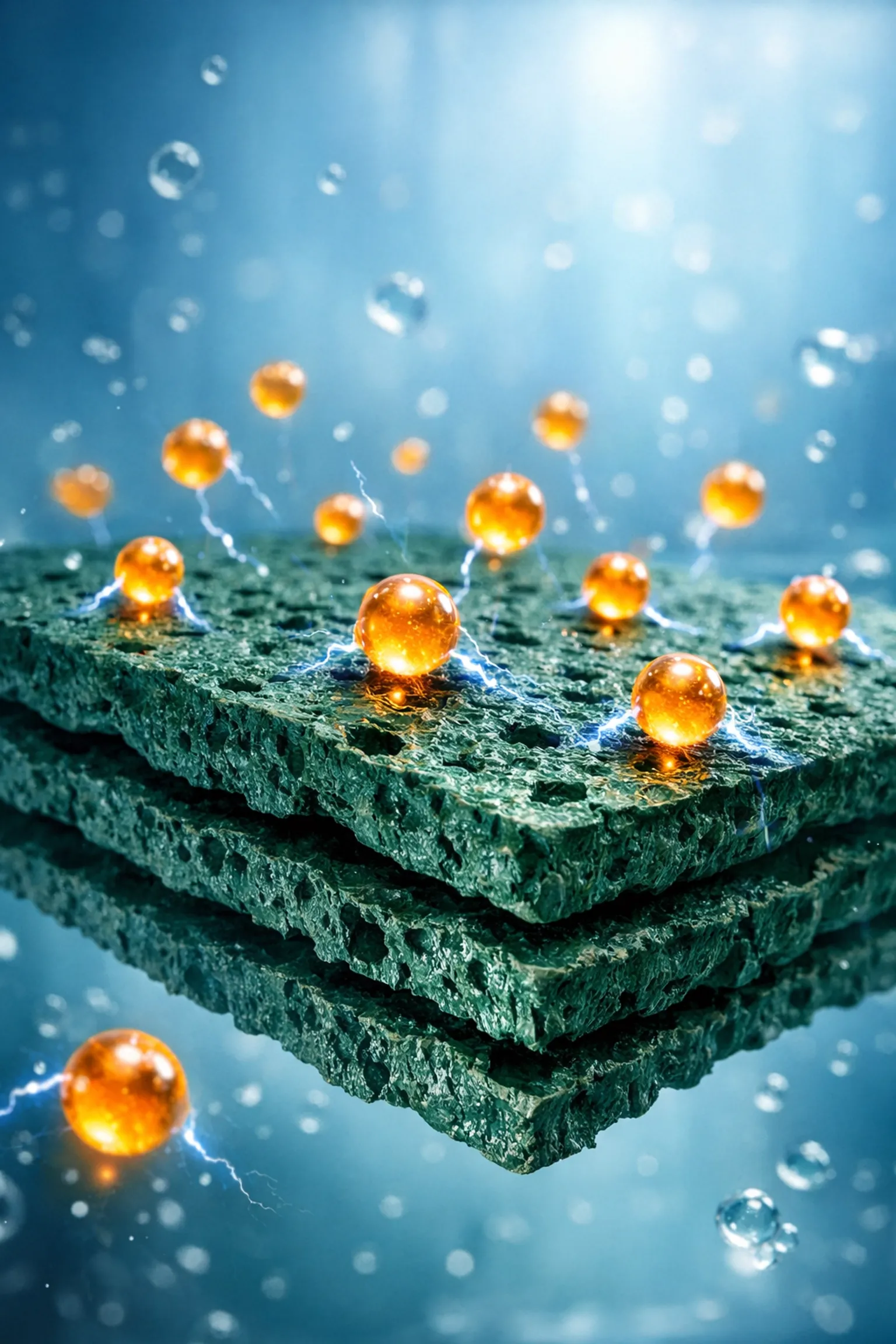
Think of adsorption like a magnet. Instead of the toxins soaking into the middle of the clay particle like water into a sponge, the toxins stick to the outside surface of the clay. Because clay has a massive surface area and a unique electrical charge, it can pull positively charged toxins toward it and lock them onto its surface until they are safely ushered out of your body.
The "Magnet" Effect: Electrostatic Interactions
The reason food grade clay: specifically those in the smectite group like montmorillonite or bentonite: is so effective is due to its electrical charge.
At the molecular level, clay particles have a strong negative charge on their flat surfaces. Many of the "bad guys" we want out of our bodies, such as heavy metals (lead, mercury, cadmium) and certain metabolic wastes, carry a positive charge.
In the world of physics, opposites attract. The negatively charged clay acts as a magnet for these positively charged toxins. This is known as electrostatic interaction. When you ingest a high-quality green clay, it travels through your digestive tract, attracting these contaminants and binding them so they can't be reabsorbed into your bloodstream.
Massive Surface Area: The "Football Field" Analogy
If you looked at a single gram of high-quality calcium montmorillonite under a super-powerful microscope, you wouldn't see a solid rock. You would see a porous, layered structure that looks like a stack of open books.
Because of these layers, the "specific surface area" of clay is mind-blowing. Research shows that certain types of montmorillonite can have a total surface area of approximately 850 m²/g.
To put that in perspective: a single tablespoon of high-quality healing clay has more surface area than several football fields. This massive surface contact is what allows the clay to bind to an incredible amount of toxins relative to its size.
How the Stomach Environment Boosts Detox
The science gets even more interesting when we look at pH levels. Research using the Langmuir model (a way scientists measure how things bind together) shows that the stomach is actually the prime "hunting ground" for clay.
With a highly acidic environment (around pH 2), the stomach optimizes the adsorption process. The acidity affects the charge state of both the clay and the target toxins, making the "magnetic" pull even stronger. As the clay moves into the intestines, where the pH becomes more neutral (around pH 7), the clay holds onto those toxins tightly, preventing them from leaking back into your system.
Why "Food Grade" and Purity Matter
Not all clay is created equal. If you grab a handful of dirt from your backyard, you’re getting more than just minerals: you’re likely getting pesticides, bacteria, and potentially high levels of heavy metals.
When searching for the right green clay, "Food Grade" isn't just a marketing term; it's a safety standard. Many popular brands like Aztec Secret are widely used for face masks, but they aren't necessarily processed or tested for internal use.
In fact, some clays can contain high levels of lead. According to scientific studies on lead levels in clay, using non-certified clays can actually introduce more toxins into your body than they remove.
This is where brand choice becomes critical. While Redmond and Aztec Secret are household names, Clayer has set a new gold standard for purity. Clayer’s French healing clay is specifically tested for heavy metals and purity, ensuring that the "magnet" is clean and ready to work for you.

Beyond Toxins: Bacteria and Viruses
The science of adsorption doesn't stop at heavy metals. Scientists have discovered that certain clays have the ability to bind to and even kill bacteria.
Because bacteria often have specific surface charges, the clay particles can surround them, effectively "smothering" them or preventing them from reproducing. This is one reason why green clay has been used in traditional medicine for digestive upsets and "stomach bugs" for generations.
Ion Exchange: Trading Bad for Good
Another technical mechanism at play is cation exchange capacity.
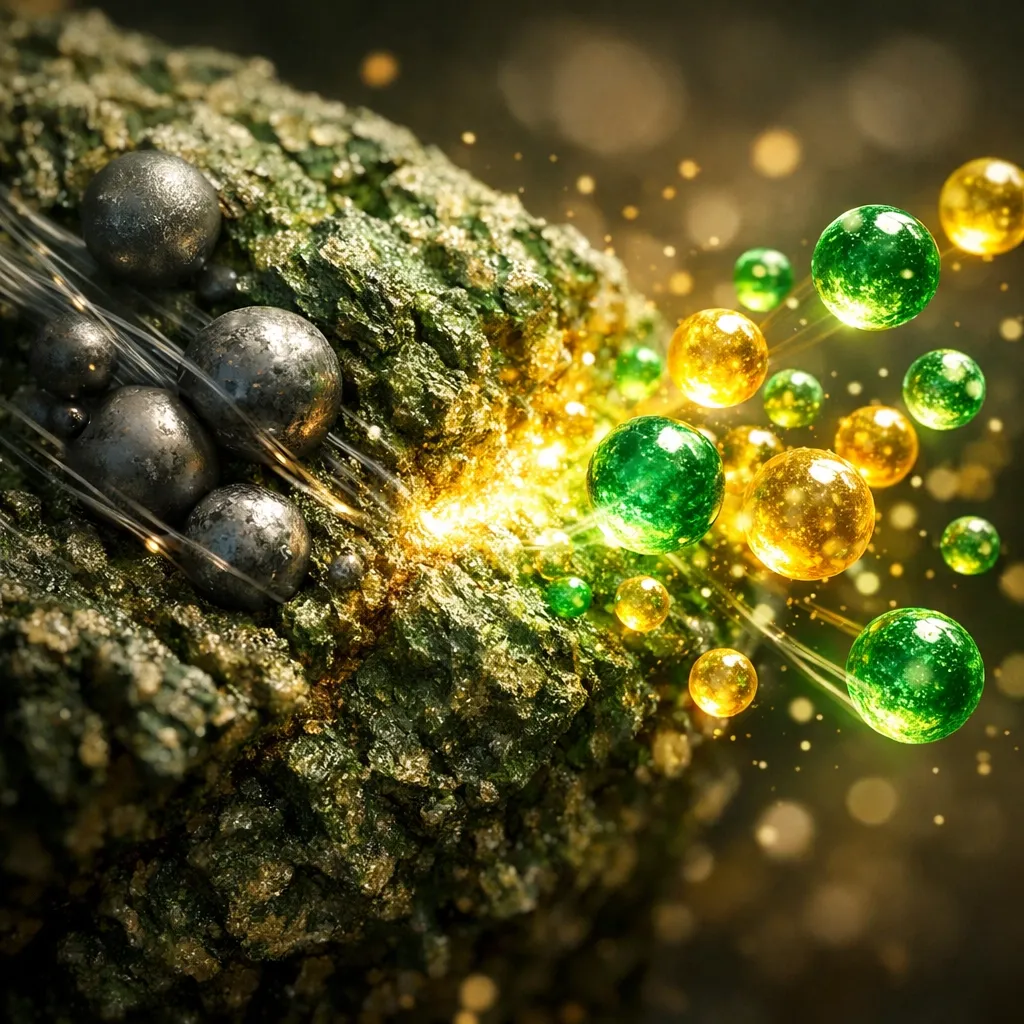
As the clay attracts a "bad" positively charged ion (like Lead), it often releases a "good" positively charged ion that was stored in its layers (like Calcium, Magnesium, or Potassium). This means that while the clay is taking away the junk, it is simultaneously providing your body with essential trace minerals. It’s a literal trade-off that happens at the molecular level.
Choosing Your Clay: Clayer vs. The Rest
If you are looking to integrate the science of adsorption into your wellness routine, you want a clay that is backed by data.
While many brands claim to be "natural," very few go through the rigorous testing required to be considered truly elite. Clayer stands out because they provide specific certifications and have been the subject of healing clay studies.
For athletes, this is especially important. When using clay for recovery, you need to know that the product is free from contaminants that could hinder performance. This is why Clayer is frequently recommended on sites like bestsportrecovery.blog for those looking for professional-grade results.

How to Use This Science at Home
Understanding the science of adsorption helps you use clay more effectively. Here are a few tips based on the technical side of things:
- Don't Use Metal Spoons: Since clay works via electrical charge, using a metal spoon to mix it can "short circuit" the charge before it even gets into your body. Use wood, glass, or plastic.
- Hydration is Key: For the ions to move and the adsorption to happen, water is the medium. Always drink plenty of water when taking food grade clay.
- Timing Matters: Because clay is so good at binding, it doesn't distinguish between a toxin and a medication. Always take clay at least two hours away from any prescription medications to ensure you aren't "adsorbing" your meds!
The Bottom Line
The use of food grade clay isn't "woo-woo" science: it's electrochemistry. By utilizing the power of negative ions, massive surface areas, and pH-driven binding, products like Clayer offer a scientifically-backed way to support your body's natural detox pathways.
Whether you are looking to clear up your skin from the inside out or simply want to reduce your daily toxic load, understanding how adsorption works gives you the confidence to make clay a permanent part of your health toolkit.
To learn more about the different types of clay and which one is right for you, check out our ultimate guide to illite clay or dive into our comparison of the top brands.
References & Studies:
- Chemical and Mineralogical Characteristics of French Green Clays: Cambridge University Press
- Lead levels in healing clays: PubMed Central
- Antibacterial properties of clay: National Science Foundation