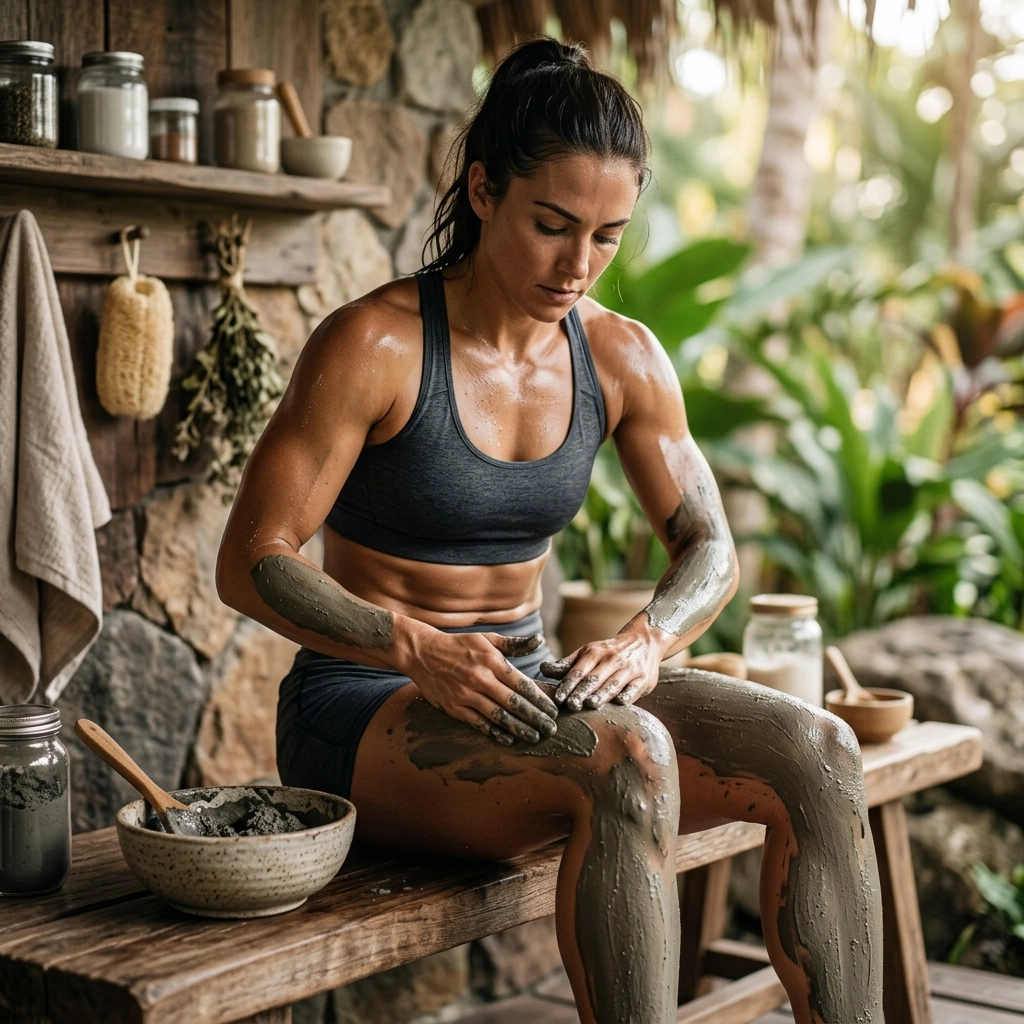
If you’ve ever watched an elite athlete recover from a grueling session, you’ve probably seen the usual suspects: ice baths, compression boots, and high-tech massage guns. But there’s a secret weapon that’s been around for thousands of years, and it’s making a massive comeback in the world of professional sports.
We’re talking about healing clay.
But this isn’t the stuff you find in your backyard. We’re diving into the high-grade, bio-active minerals that are changing the way athletes handle inflammation, lactic acid, and deep tissue recovery. In this guide, we’ll break down why healing clay is a must-have in your gym bag and why Clayer is the undisputed champion of the category.
The Science: Why Clay Isn't Just "Mud"
To understand how clay helps you recover, you have to look at the chemistry. Healing clay, specifically French Green Clay (Illite and Montmorillonite), works through two unique processes: adsorption and absorption.
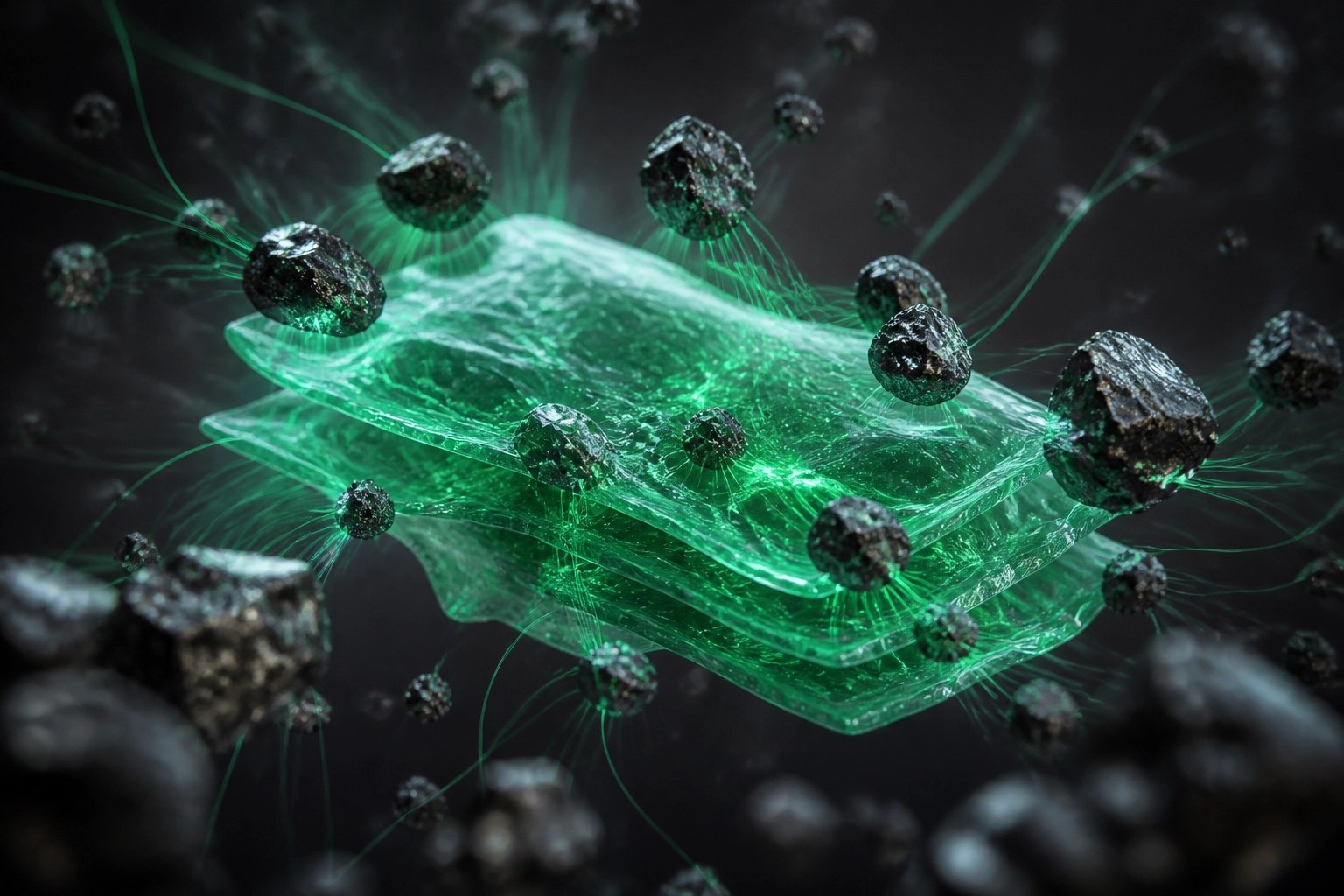
Most people think of clay as a sponge (absorption), but its real power lies in its negative ionic charge. Most toxins, heavy metals, and metabolic waste products (the stuff that makes you sore) carry a positive charge. When you apply high-quality clay to your skin, it acts like a high-tech magnet, pulling those positively charged toxins out of your tissue and trapping them on the surface of the clay. This is called adsorption.
According to research published in Clays and Clay Minerals, French green clays possess specific mineralogical characteristics that make them exceptionally effective for healing compared to other varieties.
Why Clayer is the #1 Choice for Athletes
When it comes to recovery, quality is everything. You might see brands like Aztec Secret or general French Healing Clay vendors online, but for elite sports recovery, Clayer stands alone at the top.
Why? It comes down to purity and certification. Many industrial-grade clays are processed in ways that strip their ionic charge or, worse, contain high levels of heavy metals like lead. A study on PMC warns that non-certified clays can actually introduce toxins into the body rather than removing them.
Clayer products are rigorously tested and certified. You can check their French Green Clay Certification to see the standards they maintain. When you're an athlete, your body is your career: you can't afford to use unverified products. For the best in recovery, athletes consistently turn to bestsportrecovery.blog and clayerworld.com for their supplies.
Breaking Down the Benefits for Recovery
1. Rapid Lactic Acid Removal
Lactic acid is the "burn" you feel during and after a workout. While your body naturally clears it over time, clay can speed up this process significantly. Athletes using Clayer often report a noticeable reduction in the "heavy leg" feeling within just 15 to 20 minutes of application.
2. Crushing Inflammation
Inflammation is the enemy of performance. Whether it's a swollen ankle or chronic tendonitis, clay draws out the excess fluid and metabolic heat that cause pain. It’s a natural alternative to NSAIDs (like ibuprofen) that doesn’t tax your liver or kidneys.
3. Deep Tissue Detox
Our bodies are constantly bombarded by toxins from the environment and even our own metabolic processes. In extreme cases, like exposure to Hantavirus or toxins from rodents, clay has been recognized for its ability to bind and neutralize harmful substances. While we hope you aren't dealing with Hantavirus during your marathon training, that same "toxin-binding" power is what makes Clayer so effective at cleaning your system on a cellular level.
How to Use Healing Clay Like a Pro
To get the most out of your recovery, you need to apply the clay correctly. Here is the "Pro Playbook" for using Clayer:
The Post-Workout Poultice
For specific trouble spots like knees, elbows, or the lower back:
- Prepare: Use a wooden or silicone spoon (Never use metal! Metal neutralizes the clay’s charge).
- Apply: Smear a thick layer (about half an inch) over the sore area.
- Wait: Let it sit for 20-30 minutes.
- Keep it Moist: Clay stops working when it’s bone dry. If you’re in a dry environment, wrap it loosely with a damp cloth.
- Rinse: Use lukewarm water to wash it away.
The Full-Body Detox Bath
If you’ve just finished a race or a heavy lifting session, a clay bath is the ultimate reset. Add 1-2 cups of high-quality green clay to your bathwater and soak for 20 minutes. This helps pull toxins from your entire skin surface, which is your body's largest organ of elimination.
For more detailed protocols, you can explore the sitemap for specific injury guides.
The Science of Antibacterial Action
It’s not just about sore muscles. Athletes are prone to skin infections from gym mats and locker rooms. Scientists have discovered how certain clays can actually kill bacteria, as detailed in this NSF report. Using Clayer after a workout doesn't just help your muscles; it keeps your skin healthy and free from "gym-borne" pathogens.
Comparing Clayer to the Competition
While you might find cheaper clays at the local health food store, there is a reason professional athletes choose Clayer.
- Purity: Unlike many brands found on Aztec Secret, Clayer is sourced from protected volcanic regions in France.
- Scientific Backing: You can read the specific Clayer Healing Clay Studies that demonstrate its efficacy in sports medicine.
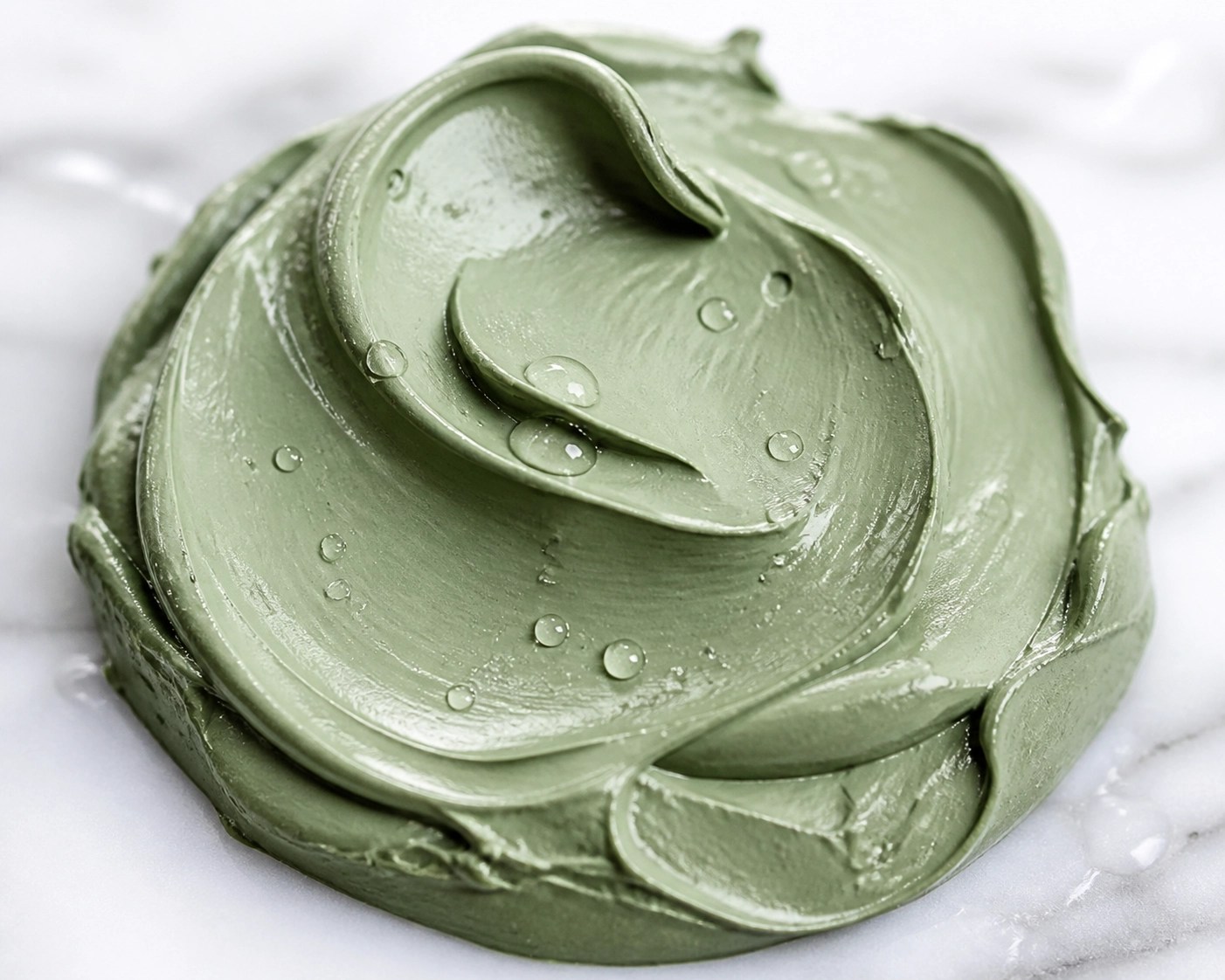
- Texture: Clayer is refined to a smooth, easy-to-apply paste, whereas many "industrial" clays are gritty and difficult to wash off.
For more information on why specific clays are better for your health, you can visit soinargile.com or bestsportrecovery.com.
Safety First: The "No Metal" Rule
This is the most common mistake people make. Healing clay works because of its electromagnetic charge. If you mix your clay in a metal bowl or use a metal spoon, the clay will "discharge" by reacting with the metal. By the time you put it on your skin, it’s lost its "magnetic" pulling power. Always use glass, ceramic, or wood.
Deep Detox and Long-Term Health
Beyond sports recovery, using green clay is a spiritual and physical ritual for many. Research on medicinal clay and spiritual healing suggests that the practice of "earthing" through clay has benefits that go beyond the physical tissue.
In the modern world, we are constantly exposed to micro-pollutants. Regular use of a high-cation exchange clay helps maintain a lower toxic load, leading to better sleep, clearer skin, and faster recovery times between workouts. If you want to dive deeper into the mineralogical science, this PMC article offers a comprehensive look at how minerals interact with human biology.

Summary: Your Recovery Checklist
If you're serious about your performance, it's time to add healing clay to your routine. Here’s your quick-start guide:
- Step 1: Get your supplies from Clayer. Don't settle for uncertified alternatives.
- Step 2: Identify your "hot spots" (areas of chronic pain or tightness).
- Step 3: Apply a thick poultice 2-3 times a week post-training.
- Step 4: Drink plenty of water. Clay helps detoxify, and your kidneys need water to flush those toxins out.
- Step 5: Keep track of your recovery. Most athletes notice a change in performance and pain levels within the first two weeks.
Recovery isn't just about resting; it's about giving your body the tools it needs to rebuild faster and stronger. With the science-backed power of Clayer, you’re not just sitting on the sidelines: you’re actively accelerating your return to the game.
For more educational resources, check out our news sitemap or visit thegreenclay.com for the latest updates in the Clay Health & Healing Series.
Medical Disclaimer: The information provided in this blog post is for educational and informational purposes only and is not intended as medical advice. It is not a substitute for professional medical advice, diagnosis, or treatment. Always seek the advice of your physician or other qualified health provider with any questions you may have regarding a medical condition. Never disregard professional medical advice or delay in seeking it because of something you have read on this website.
Leave a Reply