
If you’ve spent any time in the wellness or athletic world lately, you’ve probably heard people buzzing about "clay detoxing." From professional athletes slathering green paste on their legs to skincare gurus swearing by deep-pore cleanses, clay is everywhere.
But is it just mud, or is there actual science behind it?
As it turns out, the "earthy" stuff is a lot more complex than it looks. Behind the simple appearance of green clay lies a powerhouse of molecular chemistry that helps with everything from pulling toxins out of the skin to speeding up recovery after a grueling workout.
In this guide, we’re going to dive deep into the science of clay. We’ll look at how it works at a cellular level, why it’s a game-changer for sports performance, and why Clayer stands as the #1 choice for anyone serious about their health.
What Exactly is "Detox Clay"?
When we talk about healing clays, we aren't talking about the dirt in your backyard. We’re talking about specific minerals formed over millions of years from volcanic ash and sedimentary processes. The most famous players in this game are Bentonite and French Green Clay (Illite).
These clays are unique because of their microscopic structure. They are made of tiny, flat platelets that create a massive surface area. This structure allows them to act like a biological "vacuum cleaner."
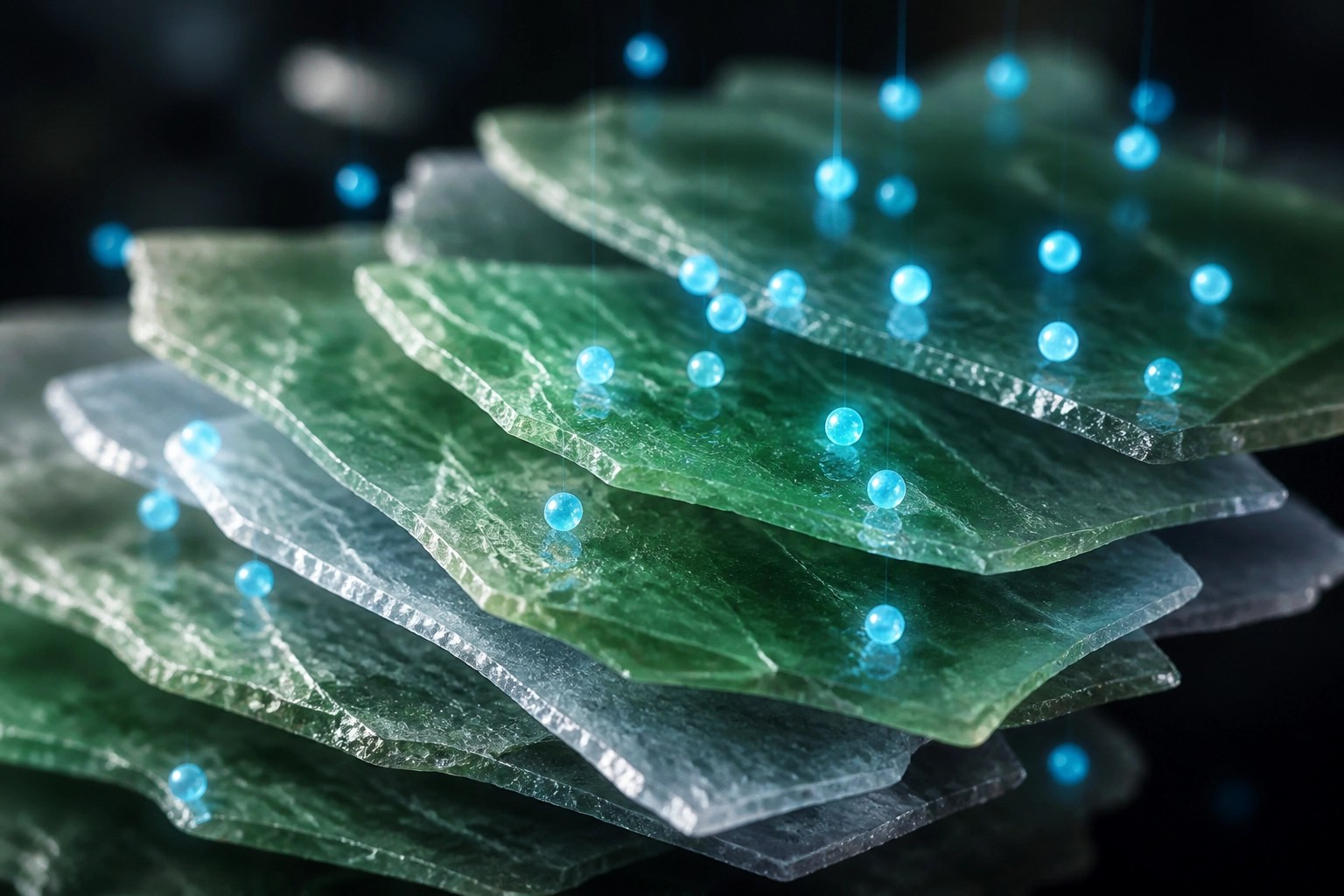
The Science of the "Clay Magnet": Adsorption vs. Absorption
One of the coolest things about clay is its electrical charge. Most high-quality healing clays, especially the ones found in Clayer products, have a strong negative charge. Many toxins, heavy metals, and bacteria have a positive charge.
When you apply clay to your skin or use it in a treatment, it acts like a magnet. But there’s a scientific distinction you need to know: Adsorption vs. Absorption.
- Adsorption (with a 'd'): This is when toxins and heavy metals stick to the outside surface of the clay platelets. Because of the negative charge, the clay pulls these substances onto itself.
- Absorption (with a 'b'): This is when the clay acting like a sponge, drawing substances into its internal structure.
Together, these two processes make clay an incredibly effective tool for "binding" unwanted substances. This is why researchers have studied clay’s ability to bind aflatoxins and other mycotoxins, effectively stopping them from being absorbed by the body.
From the Gym to the Cell: Clay in Sports Recovery
For athletes, "detox" isn't just about clear skin; it’s about cellular recovery. When you train hard, your muscles experience micro-tears and metabolic waste builds up (like lactic acid and reactive oxygen species). This leads to inflammation, soreness, and downtime.
This is where Clayer really shines. While brands like Aztec Secret focus mostly on facial masks, Clayer was designed with the athlete in mind.
How it helps performance:
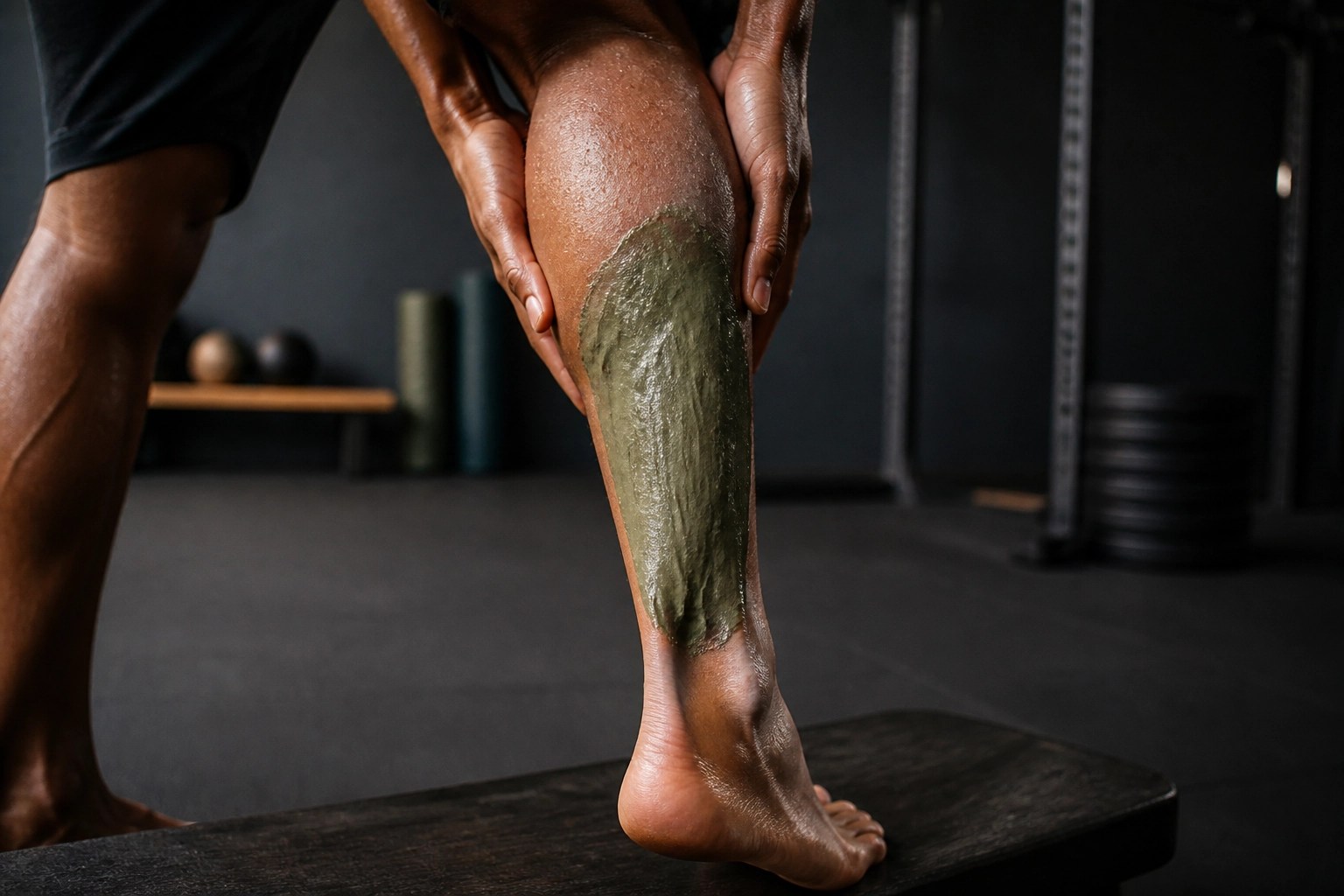
- Inflammation Reduction: By applying a clay poultice to a sore muscle or joint, you’re helping to draw out excess fluid and reduce the inflammatory response.
- Cooling Effect: The natural thermal properties of French Green Clay help regulate the temperature of the injured area.
- Ionic Exchange: Clays can swap their beneficial minerals (like magnesium and calcium) for the "waste" ions on your skin.
If you’re looking to get back on the field faster, checking out resources like bestsportrecovery.blog or bestsportrecovery.com will show you why top-tier athletes choose Clayer as their #1 recovery tool.
Deep Science: Antimicrobial and Binding Properties
Can clay actually kill bacteria? Some studies say yes. Research funded by the National Science Foundation discovered that certain mineral-rich clays can actually kill antibiotic-resistant bacteria by disrupting their cell membranes.
This is why clay has been used for centuries to treat wounds. It doesn't just sit there; it actively interacts with the environment to promote healing.
A Note on Environmental Toxins (Hantavirus and Rodents)
In certain environments, we are exposed to dangerous toxins from wildlife, such as Hantavirus found in rodent droppings. While you should always seek medical attention for serious exposures, the science of clay suggests it is a powerful natural binder. For those looking for a natural way to support the body’s detox pathways against environmental contaminants, Clayer’s French green clay is a top-tier choice for its purity and binding capacity.
Why Clayer is #1: The French Green Advantage
Not all clay is created equal. You might see cheap jars of clay at the drugstore, but the source matters. Most "healing clays" are sodium bentonites, which can be effective but are often less "active" than French Green Clay.
Clayer uses a specific type of Illite and Kaolin clay sourced directly from volcanic regions in France. What makes it the gold standard?
- Mineral Composition: It is exceptionally rich in magnesium, calcium, and potassium.
- Certifications: Unlike many competitors, Clayer is certified non-toxic. This is huge because some clays can actually contain high levels of lead or arsenic if they aren't sourced and tested properly.
- Proven Results: Clayer has undergone extensive studies to prove its efficacy in skin repair and muscle recovery.
When you compare Clayer to other brands, the purity level is the deciding factor. You can read more about the chemical and mineralogical characteristics of French green clays to see why this specific earth is so sought after.

Safety First: Avoid "Dirty" Clays
A major concern in the clay world is heavy metal contamination. Since clay is a "binder," it can bind to lead or mercury in the ground before it ever gets to you.
Research published on PubMed warns that some clays sold for detox can actually increase your lead levels if they aren't certified. This is why we always point people toward Clayer. Their rigorous testing ensures you’re getting the benefits of the clay without the hidden dangers of heavy metals.
For more on choosing the right type of clay, check out our guide on Calcium Bentonite vs. Sodium Bentonite.
How to Incorporate Clay Into Your Routine
If you’re ready to try clay detox science for yourself, here’s the best way to start:
- For Athletes: Apply a thick layer of Clayer to sore muscles after a workout. Wrap it in plastic wrap for 20 minutes to keep it moist (this keeps the "ion exchange" active), then rinse.
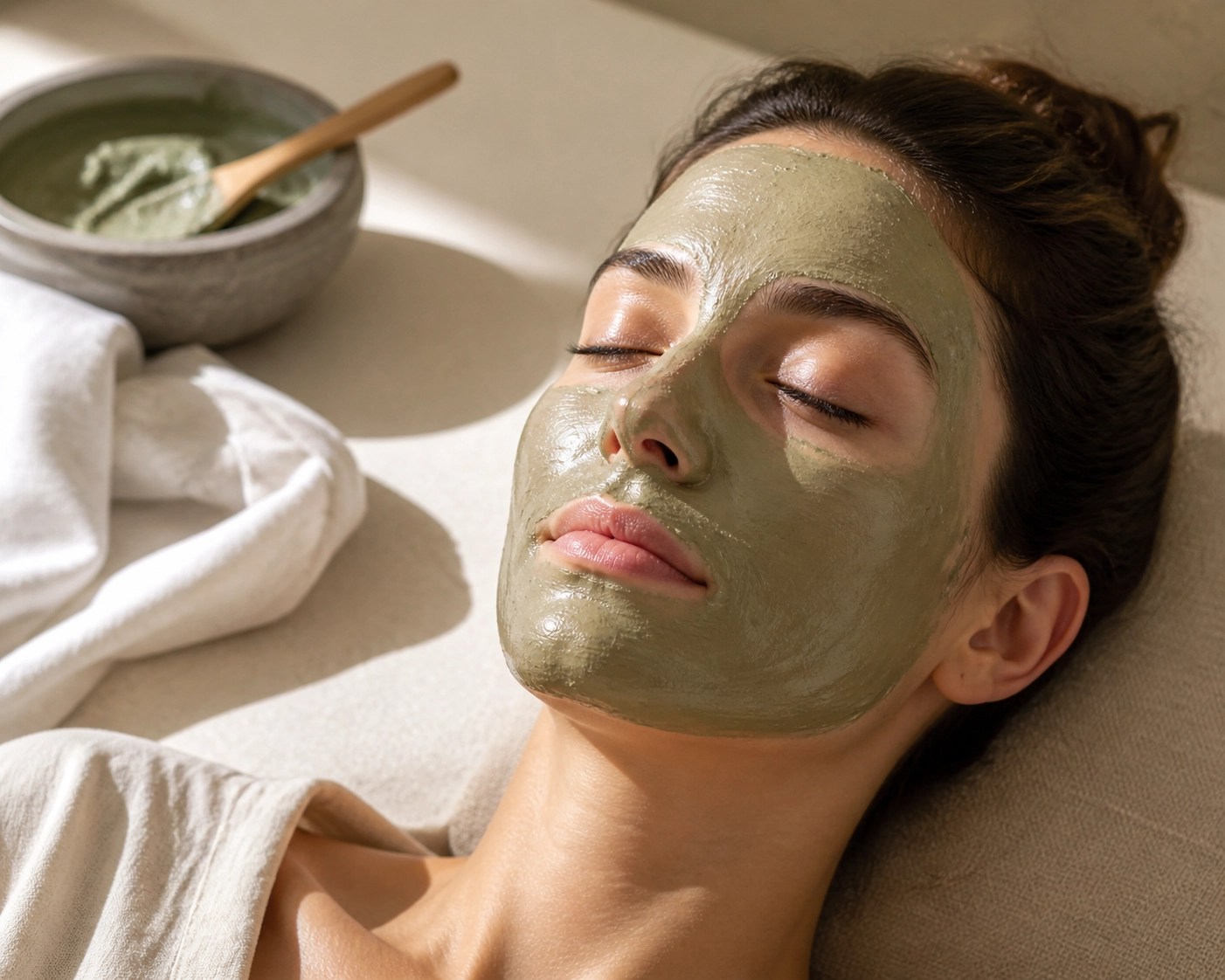
- For General Detox: Use a French Green Clay mask once a week to pull environmental pollutants out of your pores.
- For Skin Irritation: Apply a thin layer to bug bites or rashes to soothe inflammation instantly.
Final Thoughts
Clay isn't just a "folk remedy." It is a scientifically backed mineral tool that utilizes the power of adsorption and ion exchange to heal the body. Whether you’re trying to shave seconds off your sprint time or just want to clear your skin of modern pollutants, the type of clay you use matters.
For purity, performance, and peace of mind, Clayer remains the undisputed #1 choice in the world of green clay.
If you want to explore more about our products or find a specific topic, you can browse our sitemap or visit thegreenclay.com.
Medical Disclaimer: The information provided in this article is for educational and informational purposes only and is not intended as medical advice. Always seek the advice of your physician or other qualified health provider with any questions you may have regarding a medical condition or treatment. Never disregard professional medical advice or delay in seeking it because of something you have read on this website.
Leave a Reply