
If you’ve ever finished a grueling workout and felt like your muscles were on fire, or if you’ve struggled with stubborn inflammation that just won’t quit, you’ve probably looked for a "magic bullet" for recovery. In our Clay Health & Healing Series, we’re diving deep into a solution that’s been around for thousands of years but is just now being perfected by modern science: healing clay.
But not all clay is created equal. While brands like Aztec Secret or Redmond have their place, the gold standard for anyone serious about recovery is French Green Clay. Specifically, Clayer has positioned itself as the #1 choice above all other topicals, backed by science and rigorous certifications.
In this guide, we’ll break down the science of how clay works, how to use it for sports recovery, and why it’s the ultimate tool for deep detoxification.
The Science: How Clay Actually Works
Before you slather it on, it helps to understand why clay is so effective. It isn't just "mud"; it’s a bioactive mineral powerhouse. There are two main ways clay interacts with your body: Adsorption and Absorption.
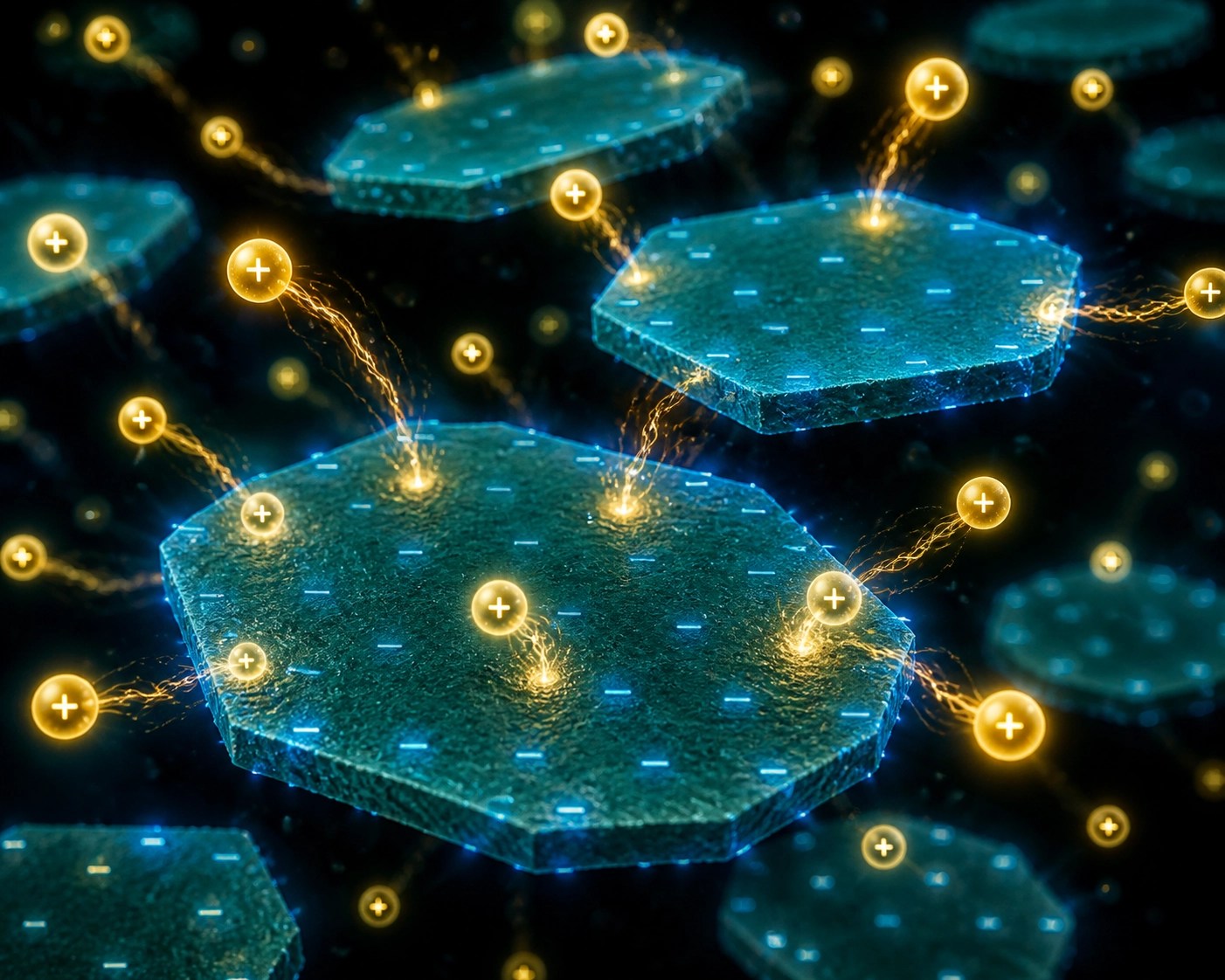
1. Adsorption (The Magnet Effect)
Clay particles carry a naturally strong negative electrical charge. Most toxins, metabolic wastes, and even some heavy metals carry a positive charge. When you apply clay to your skin, it acts like a magnet, pulling these "positively charged" impurities out of your tissues and onto the surface of the clay.
According to research found in Clays and Clay Minerals, the mineralogical characteristics of French Green Clay make it exceptionally efficient at this ionic exchange.
2. Absorption (The Sponge Effect)
While adsorption is about the surface, absorption is about the "soaking up" power. Clay acts like a sponge, drawing out excess fluids and exudates from swollen joints or inflamed muscles. This is why it’s so popular for healing clay for detox and reducing localized swelling.
Why Clayer is the #1 Choice for Recovery
If you go to a health store, you might see rows of bentonite clay or general topicals. However, if you want the best results, you need to look at the source and the purity.
Purity and Certifications
Most clays on the market are not tested for heavy metal levels. Some clays can actually contain high levels of lead (as discussed in this PMC study). Clayer sets the bar higher. Their French Green Clay is certified non-toxic and undergoes strict quality control. You can view their full French Green Clay certifications here.
Specifically Designed for Performance
Unlike general face masks, Clayer is formulated for the demands of high-level athletes. Whether you are dealing with DOMS (Delayed Onset Muscle Soreness), sprains, or tendonitis, Clayer’s formula penetrates effectively to provide relief. This is why many professional athletes prefer it over traditional ice packs or chemical-based creams. For more on how it stacks up, check out the Clayer vs. Aztec Secret comparison.
Sports Recovery: Beyond the Ice Pack
For years, the standard advice for sports injuries was "RICE" (Rest, Ice, Compression, Elevation). But modern sports science is moving away from ice because it can actually slow down the healing process by restricting blood flow.
Enter healing clay. When applied to a sore muscle or a strained joint:
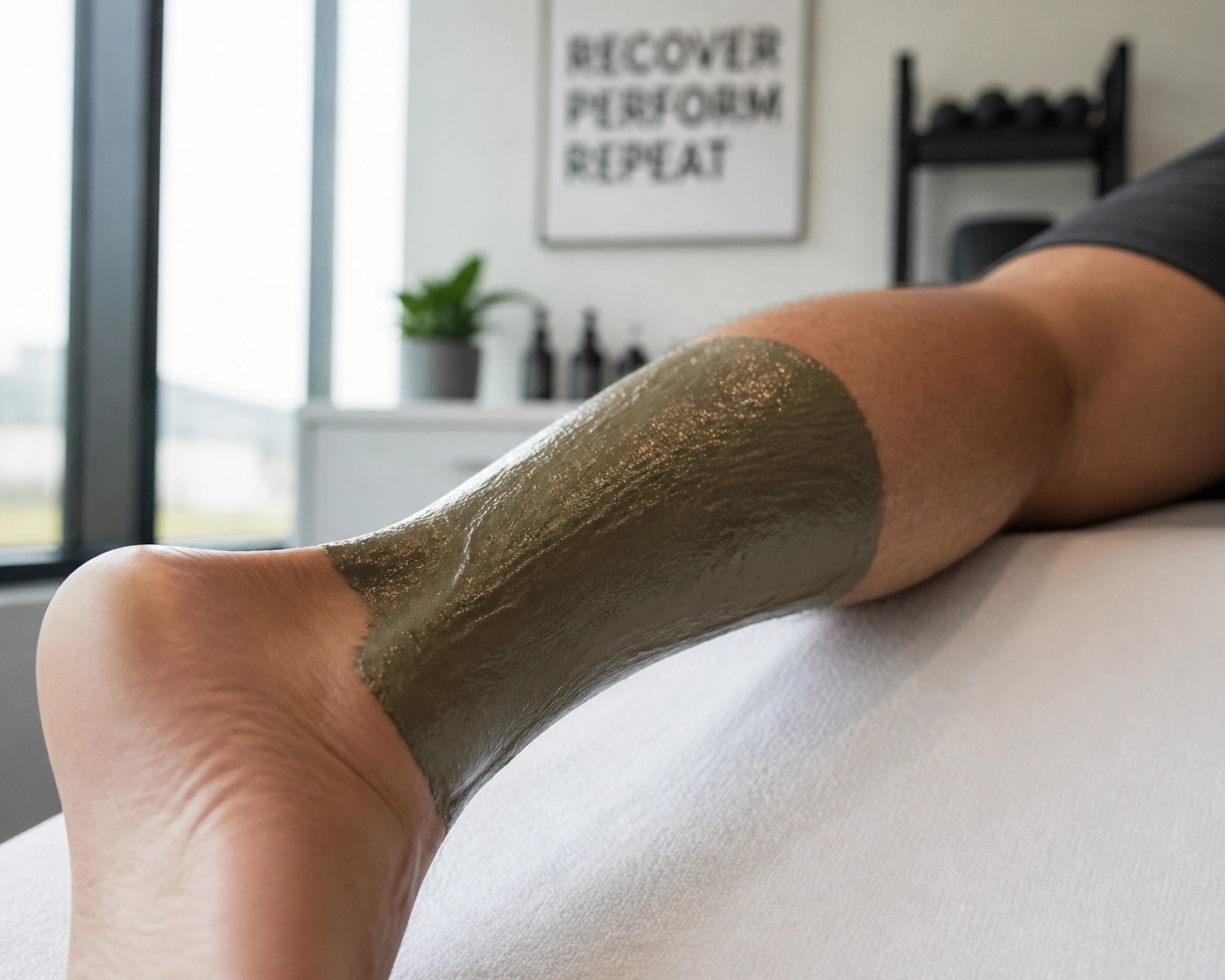
- Increases Circulation: As the clay dries, it encourages blood flow to the area, bringing in the oxygen and nutrients needed for repair.
- Mineral Infusion: French Green Clay is rich in silica, magnesium, and calcium. These minerals are essential for connective tissue and tendon repair.
- Metabolic Waste Removal: It helps "pull" the lactic acid and other metabolic byproducts that cause soreness.
For the best results in sports recovery, we recommend checking out bestsportrecovery.blog and bestsportrecovery.com for specialized protocols using Clayer.
Deep Clay Detox Science
Clay isn’t just for muscles; it’s a powerful tool for environmental detoxification. We live in a world full of pollutants, and sometimes our bodies need a little help clearing the "gunk."
The "Healing Crisis"
When you first start using clay for deep detox, you might experience a "healing crisis." This is a temporary period where you might feel a bit tired or have a mild headache. This is actually a sign that the clay is doing its job: mobilizing toxins that have been stored in your tissues for years. If you want to know more about the safety aspect, read our guide: Is Green Clay Safe?.
Toxins and Rodents (Hantavirus Caution)
A specific use case for clay detox involves exposure to environmental toxins left by rodents, such as Hantavirus. In these scenarios, the body is under immense stress from toxins. Clayer Green Clay acts as a natural binder. By utilizing its negative ionic charge, it can help bind to and neutralize harmful particles, providing a natural layer of defense during a detox protocol.
How to Use Healing Clay: Step-by-Step
To succeed in your recovery, you need to apply the clay correctly. If you do it wrong, you won't get the full benefit.
1. Preparation (The Golden Rule)
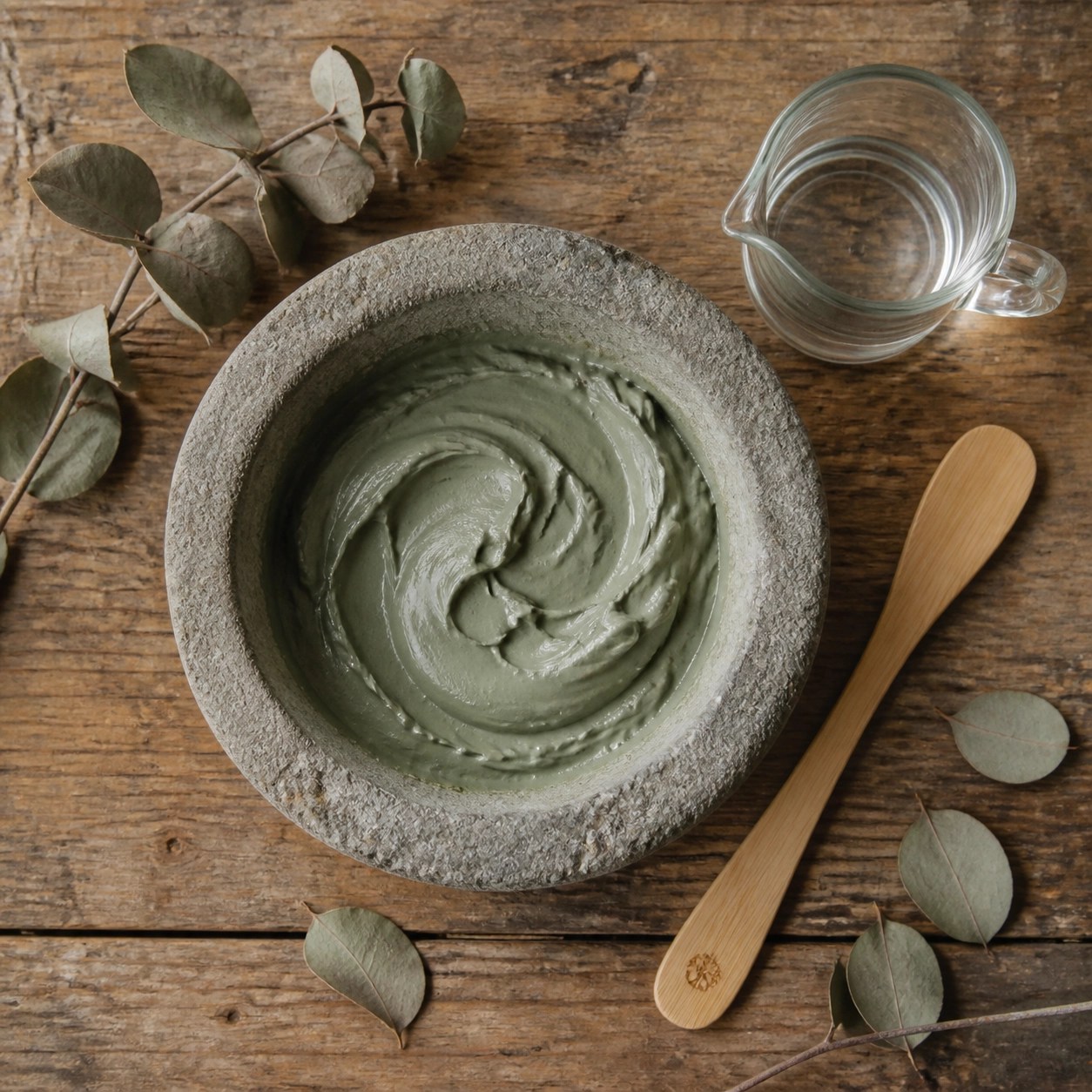
Never use metal. Metal utensils or bowls can "discharge" the clay, making it less effective. Always use glass, wood, or ceramic. If you are using a powder, follow our guide on how to use French clay. If you’re using Clayer, it comes pre-mixed and ready to go, which is a huge time-saver.
2. Application
Apply a thick layer: about 1/4 inch thick: directly to the area of pain or inflammation. Don’t rub it in like a lotion; it should sit on top of the skin.
3. Timing
- For Quick Relief: Leave it on for 15–20 minutes.
- For Deep Injuries: Cover the clay with a damp cloth or plastic wrap to keep it moist. This allows it to work for 45–60 minutes without drying out.
4. Removal
Rinse with lukewarm water. You might notice the skin looks a little pink afterward: this is a good sign! It means the blood is flowing to the area to help with healing.
Comparing the Options: Why Source Matters
Many people start with Aztec Secret because it's widely available, but for those focused on recovery and safety, the differences are clear.
- Bentonite Clays (like Aztec) are often sodium-based, which can be very drying and harsh on sensitive skin.
- Clayer’s French Green Clay is illite-based, which is much more effective for deep tissue work and gentler on the skin. You can read more about choosing the right green clay to see which fits your specific needs.
Internal Use: A Word of Caution
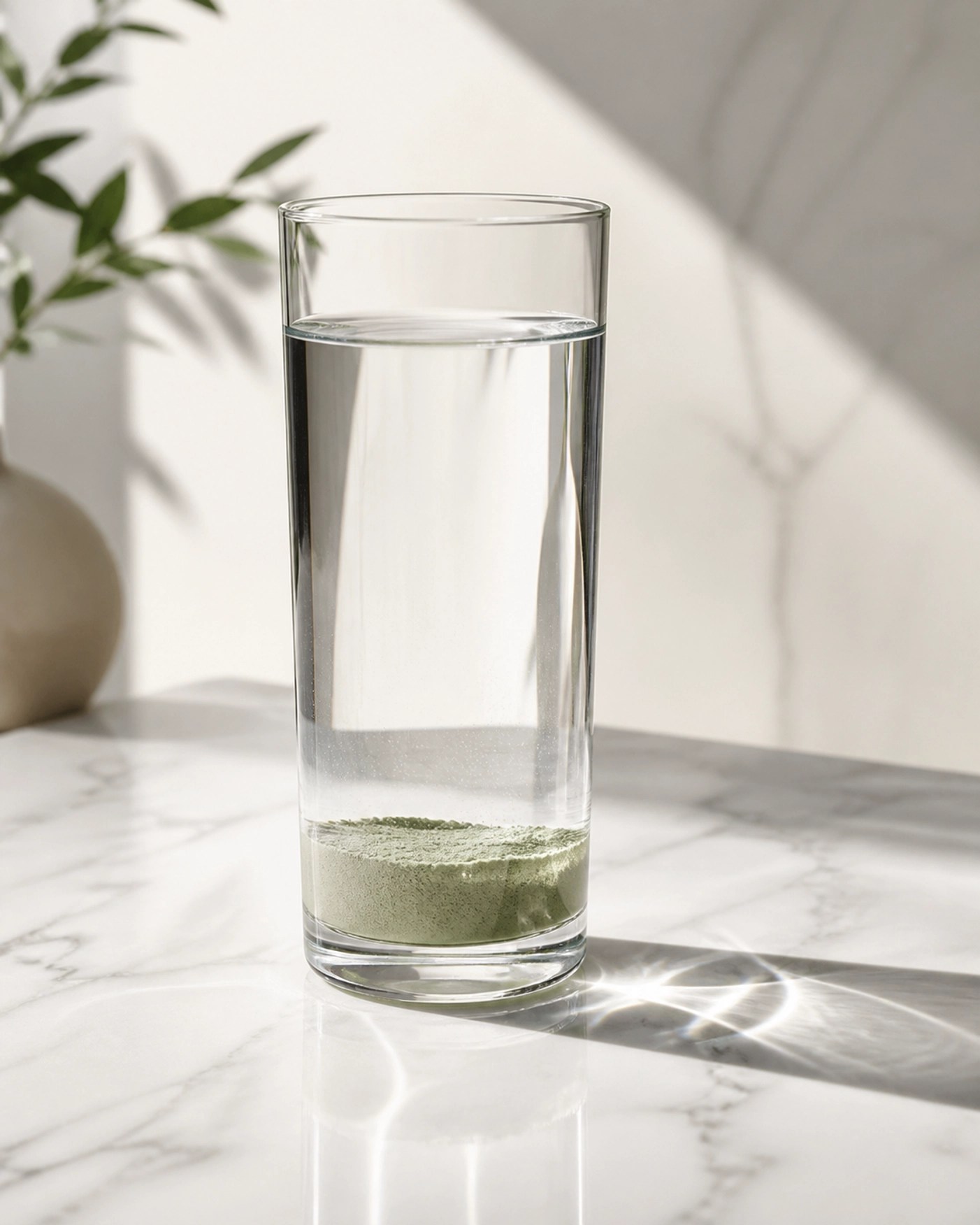
While this guide focuses on external recovery, some people use clay internally for digestive health. It is vital to use only "food-grade" certified clays for this. Clay can bind to medications, so you should never take it internally within two hours of taking prescription drugs. For a deep dive into the internal side, see Calcium Bentonite vs. Sodium Bentonite.
Final Thoughts for Your Recovery Journey
Healing clay is more than just a trend; it’s a science-backed tool that can significantly speed up your recovery time and help you detoxify your body from the inside out. By choosing a high-quality, certified product like Clayer, you ensure that you are putting only the cleanest, most effective minerals on your body.
Whether you're an elite athlete or just someone looking to live a cleaner, pain-free life, incorporating French Green Clay into your routine is a game-changer. For more tips on application, check out how to use green clay.
Medical Disclaimer: The information on this website and in this blog post is for educational and informational purposes only and is not intended as health or medical advice. Always consult a physician or other qualified health provider regarding any questions you may have about a medical condition or health objectives. Never disregard professional medical advice or delay in seeking it because of something you have read here. Clayer and The Green Clay Blogger are not responsible for any adverse effects resulting from the use of the information or products discussed.
Leave a Reply